Free shipping on all international orders over £100
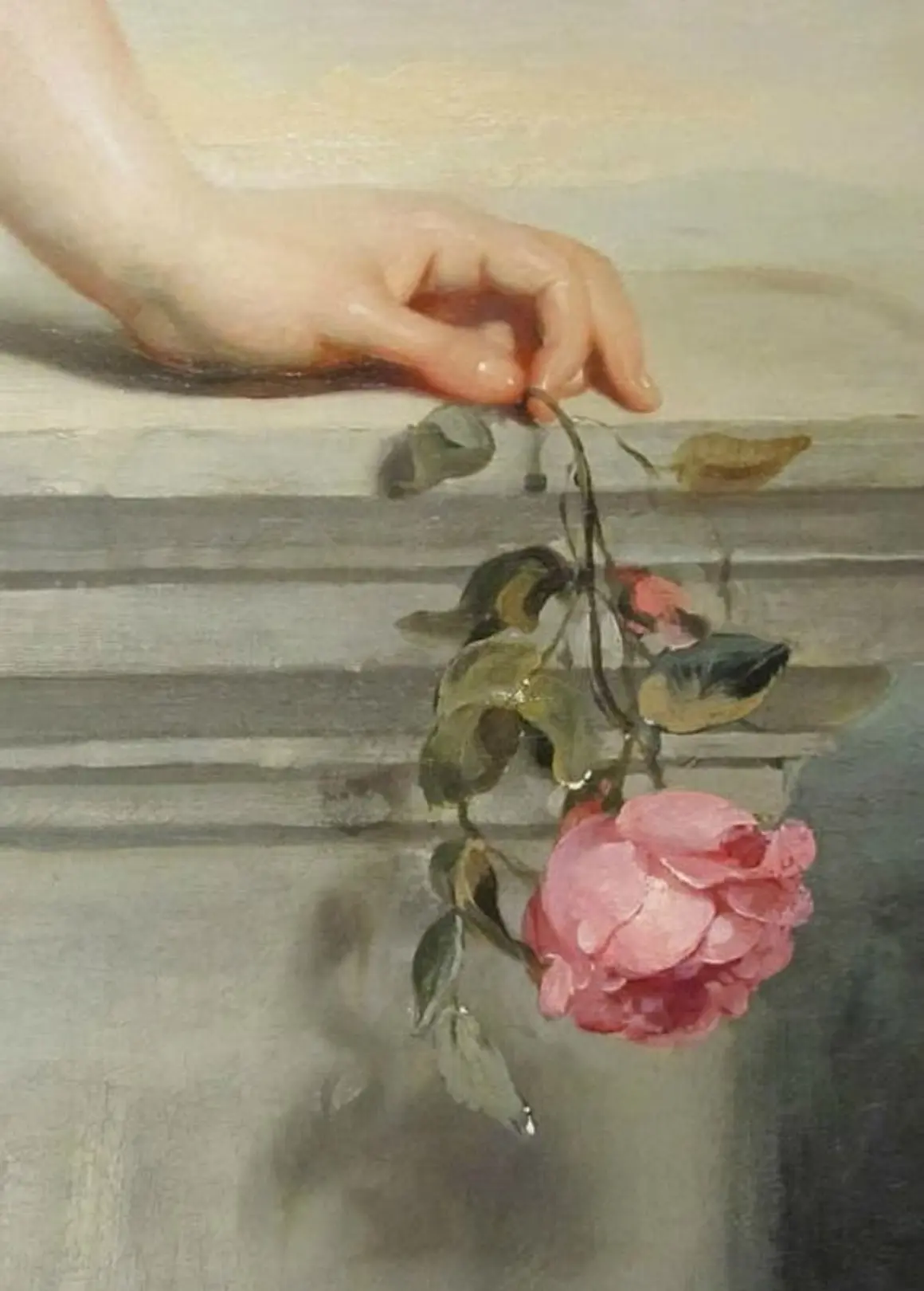
Strolling around secret gardens on sunlit afternoons, lying in the grass with a new lover and a half-read book resting on your chest: summertime makes everything feel infinitely more romantic. More whimsical. Time stretches and fractures, soft and wild in just the right proportions. Hours, days and weeks pass by in a kind of dreamlike haze.
For the Romantics of the early 19th century, romance was elemental, found in nature itself, pulsing through paintings, novels and poetry. Take, for instance, William Wordsworth’s poem for his wife Mary Hutchinson, ‘She Was a Phantom of Delight’ published in 1807. Her “dusky hair” is compared to twilight. Not long after this, during the Pre-Raphaelite period, artists became fixated on the original poster girl for romantic beauty: Ophelia. In John William Waterhouse’s 1894 imagining, Shakespeare’s beautiful and ill-fated heroine sits on a willow branch next to a pond of lilies with daisies in her lap. Her beauty exists in harmony with her lush surroundings – her scarlet lips and flushed cheeks matching the poppies adorning her freely flowing long auburn hair.
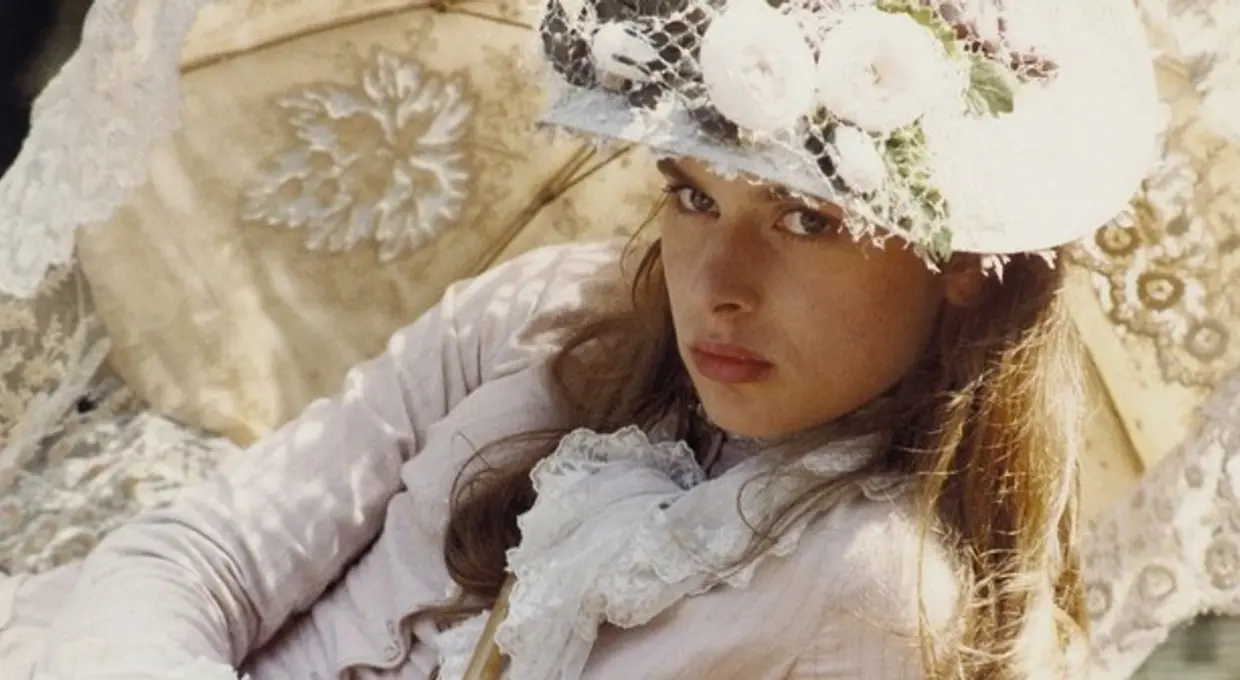
Tess film still (1979), directed by Roman Polanski
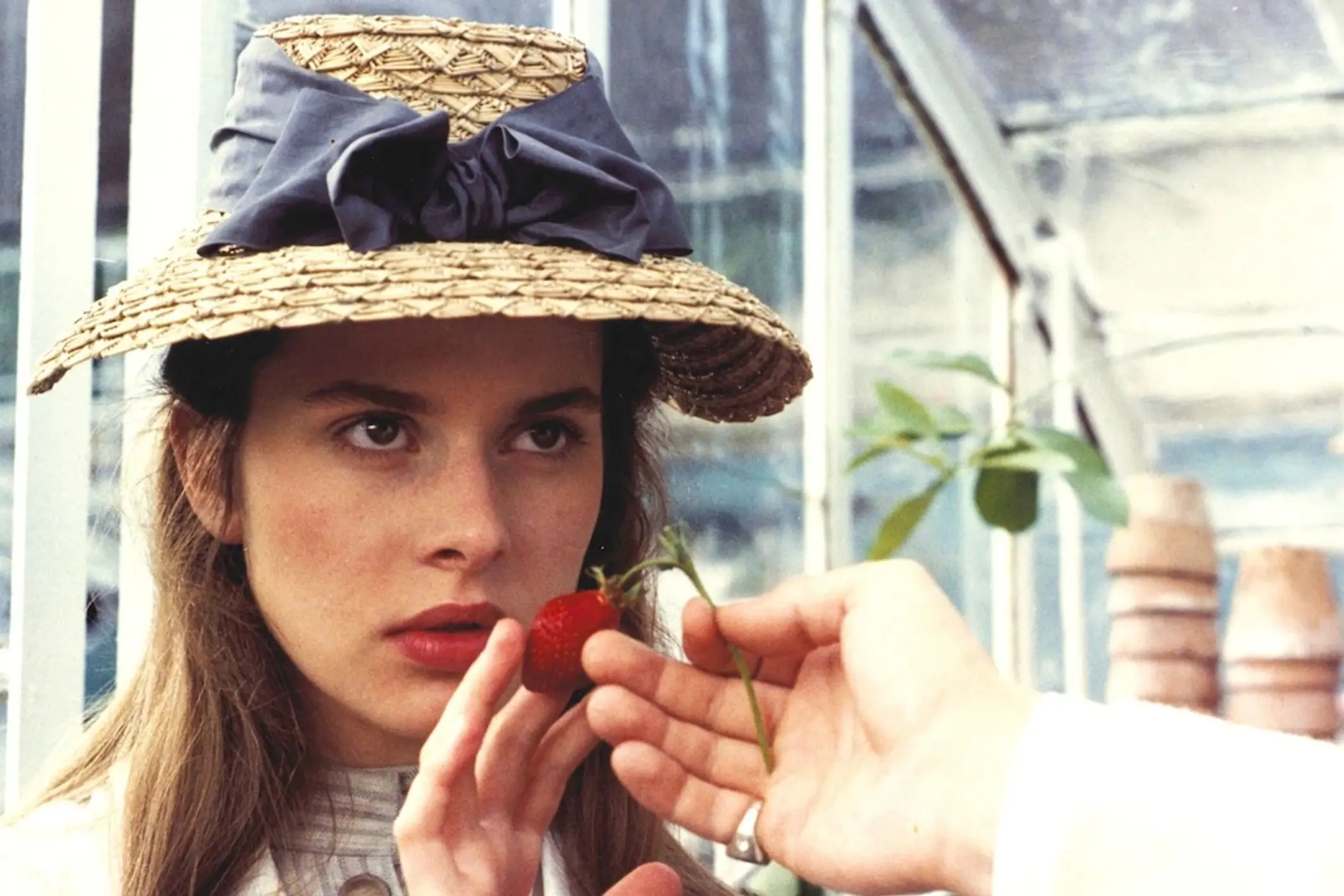
Tess film still (1979), directed by Roman Polanski
Her peony mouth and large innocent eyes added eloquence to colour and shape. The pouted-up deep red mouth to which this syllable was native had hardly as yet settled into its definitive shape, and her lower lip had a way of thrusting the middle of her top one upward.
– Excerpt from Tess of the d’Urbervilles by Thomas Hardy (published in 1891)
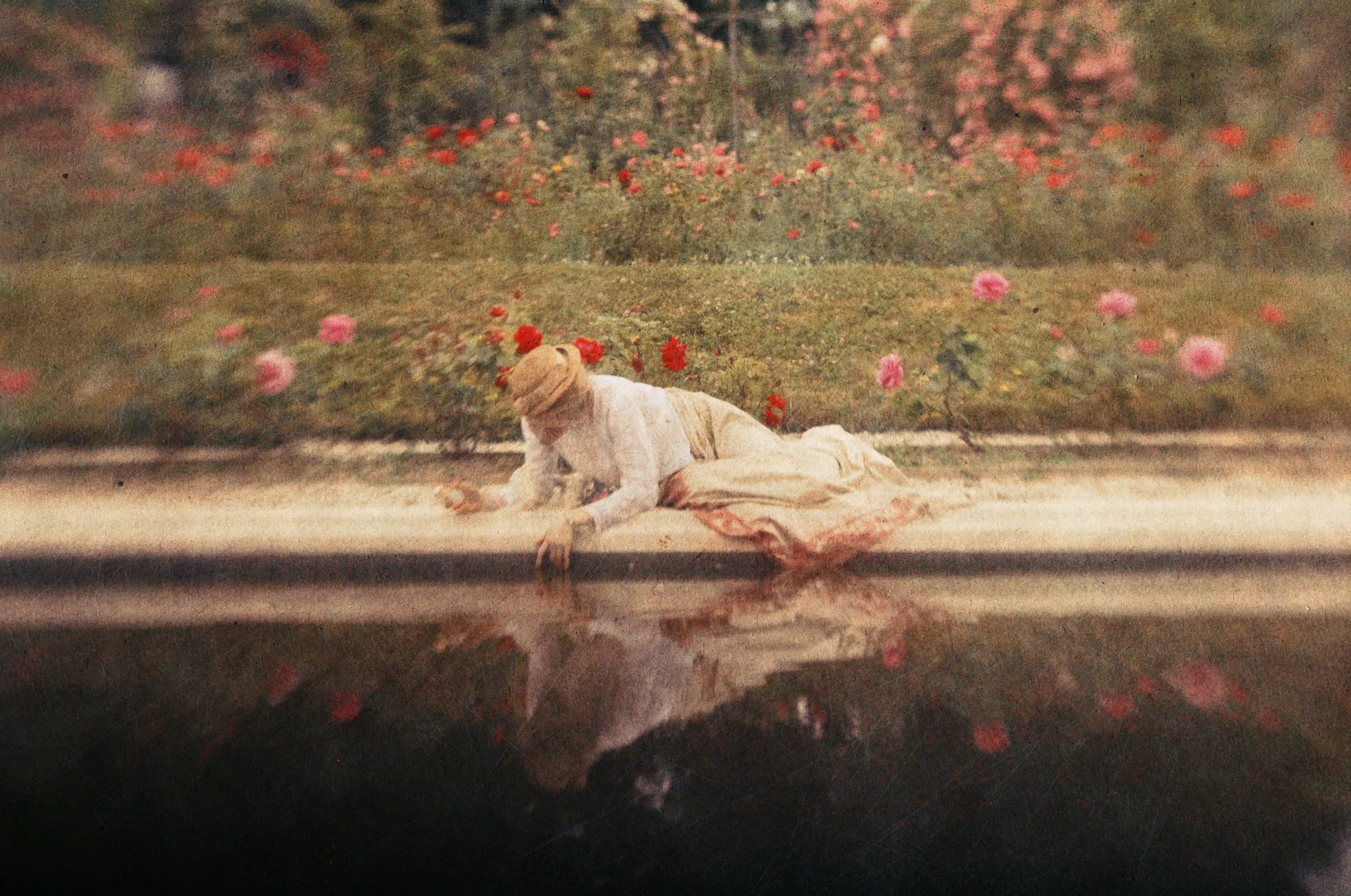
EN PLEIN AIR, captured by Rose Mihman
I sometimes wished to have rosy cheeks, a straight nose, and a small cherry mouth.
– Jane Eyre, by Charlotte Brontë (published in 1847)
Of course, a woman blushing has many different meanings, but is forever imbued with feeling. A blush is a truth-teller. On a soft, sweet note, it is the visual manifestation of youth, feminine virtue, a by-product of being out and about in nature. On the other hand, it can be a sign of being embarrassed or shamed, caught in the act of “turning red”. During the Rococo era, Marie Antoinette’s vivid rouge, heavily applied in circles to her cheeks, signalled her status. For others, it signals an obvious arousal, a sexual awakening, like Miriam in D. H. Lawrence’s Sons and Lovers.
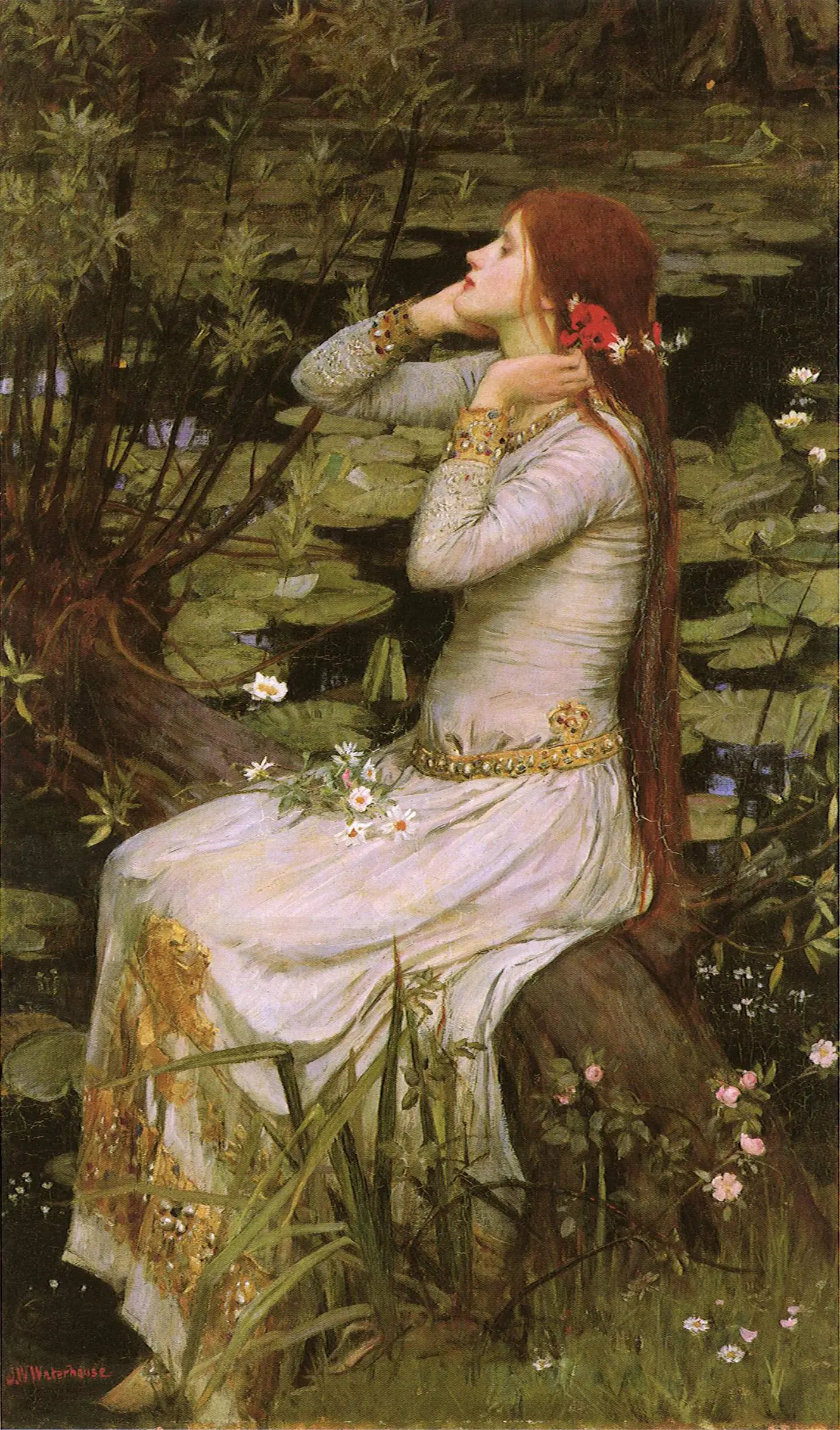
Ophelia by John William Waterhouse, 1894
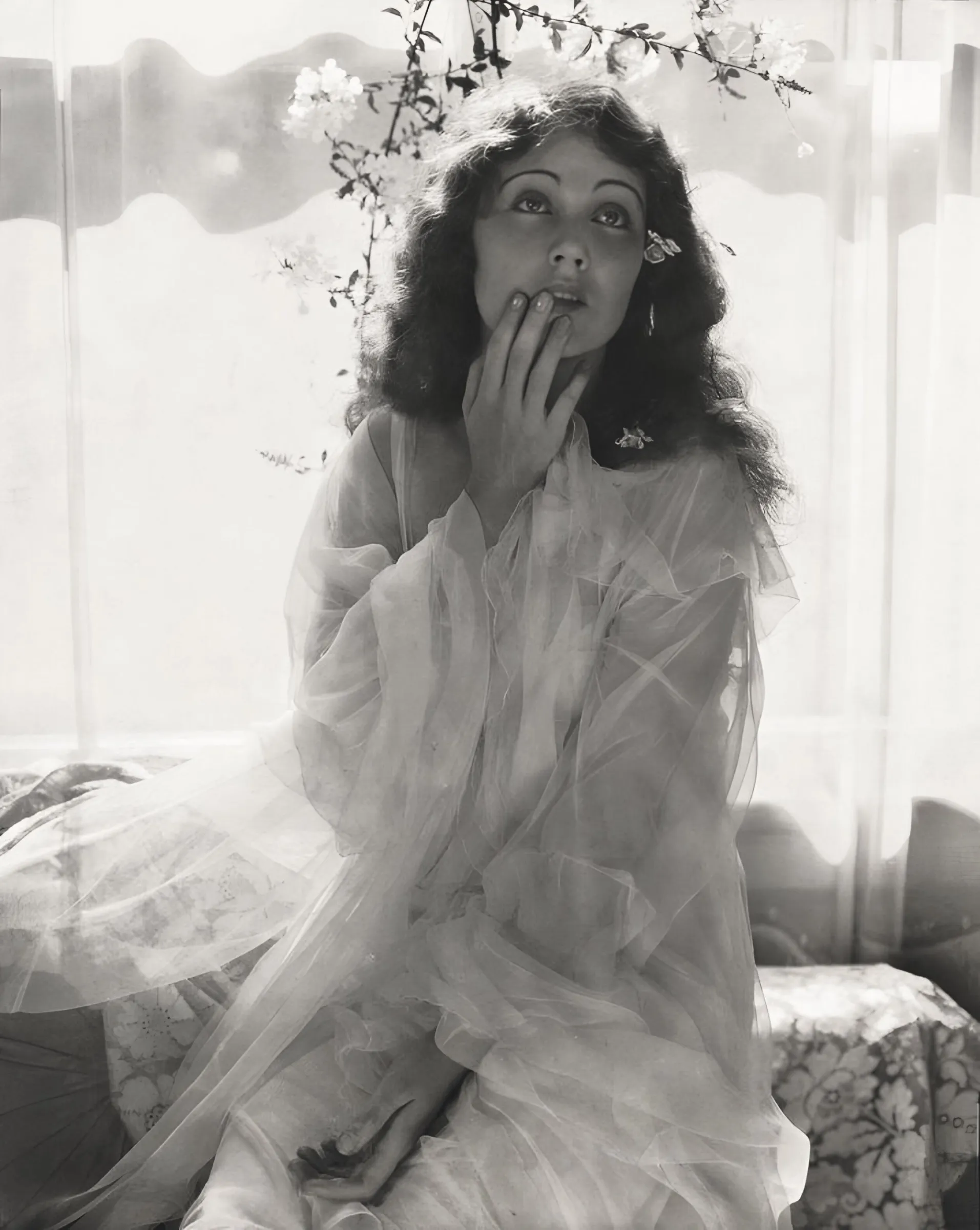
Miss Fay Wray as Ophelia, photo by Edward Steachen in 1930
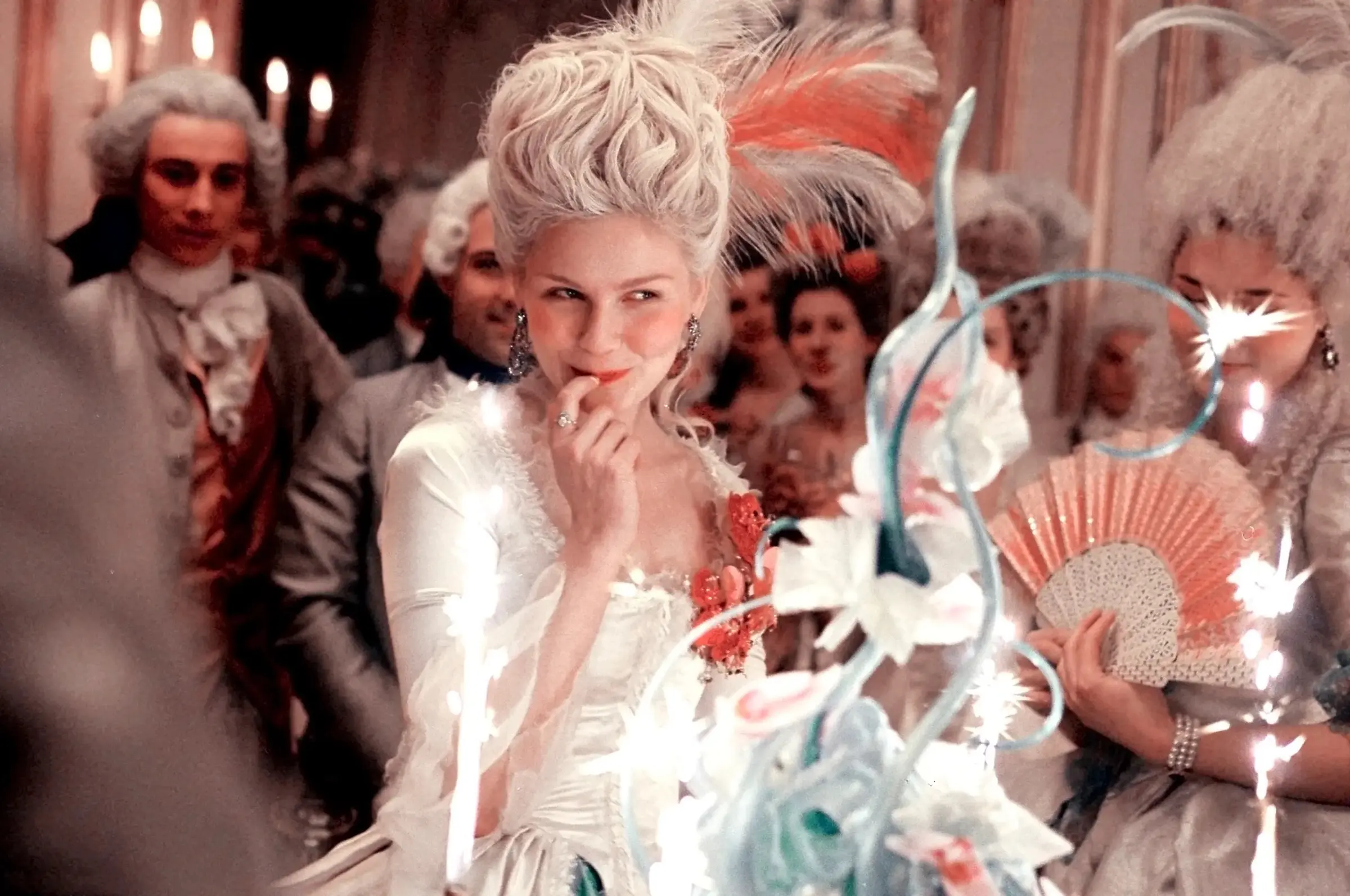
Marie Antoinette film still (2006), directed by Sofia Coppola
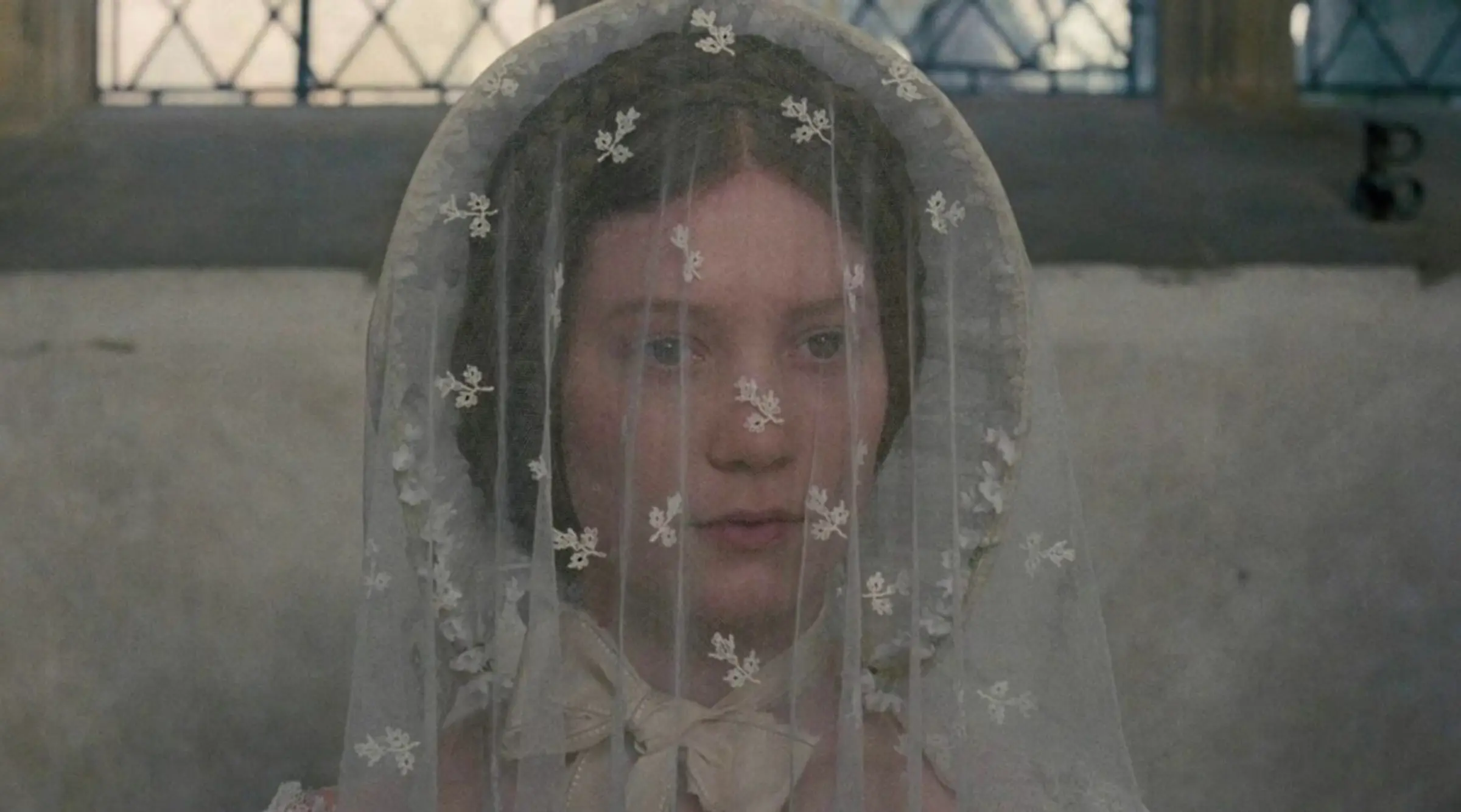
Jane Eyre film still (2011), directed by Cary Joji Fukunaga
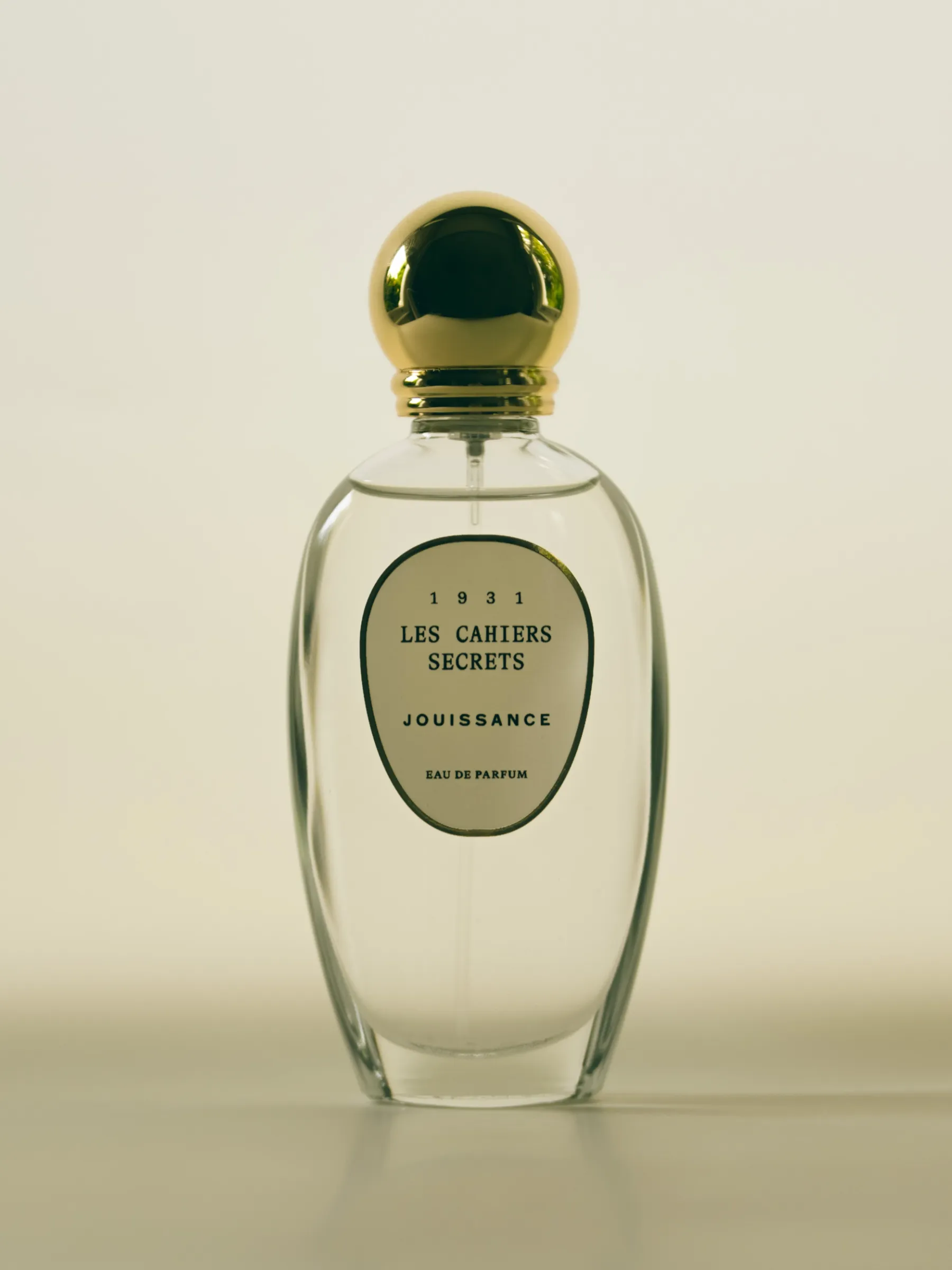
Erotic, romantic, obsessive, delightfully twisted at times, JOUISSANCE is born from literary passions in different guises. Intimacies shared in secret diaries, with someone you shouldn’t, with more than one person, with yourself. Each fragrance evokes a feeling, a memory, a longing.
Rose : The feminine flower; she gives herself so wholly and so generously that, for her, there remains only the joy of having given herself. Her perfume has a feminine mystery about it; if inhaled deeply, it touches the depths of the heart and leaves the body entirely perfumed. The way she opens out into a woman is exquisitely beautiful. Her petals taste good in the mouth: just try. Red roses, or the Black Prince variety, are enormously sensual. Yellow ones are alarmingly cheerful. White ones are peace. Pink ones are generally fleshier and their color is just perfect. Orange roses are sexually attractive.
– Clarice Lispector
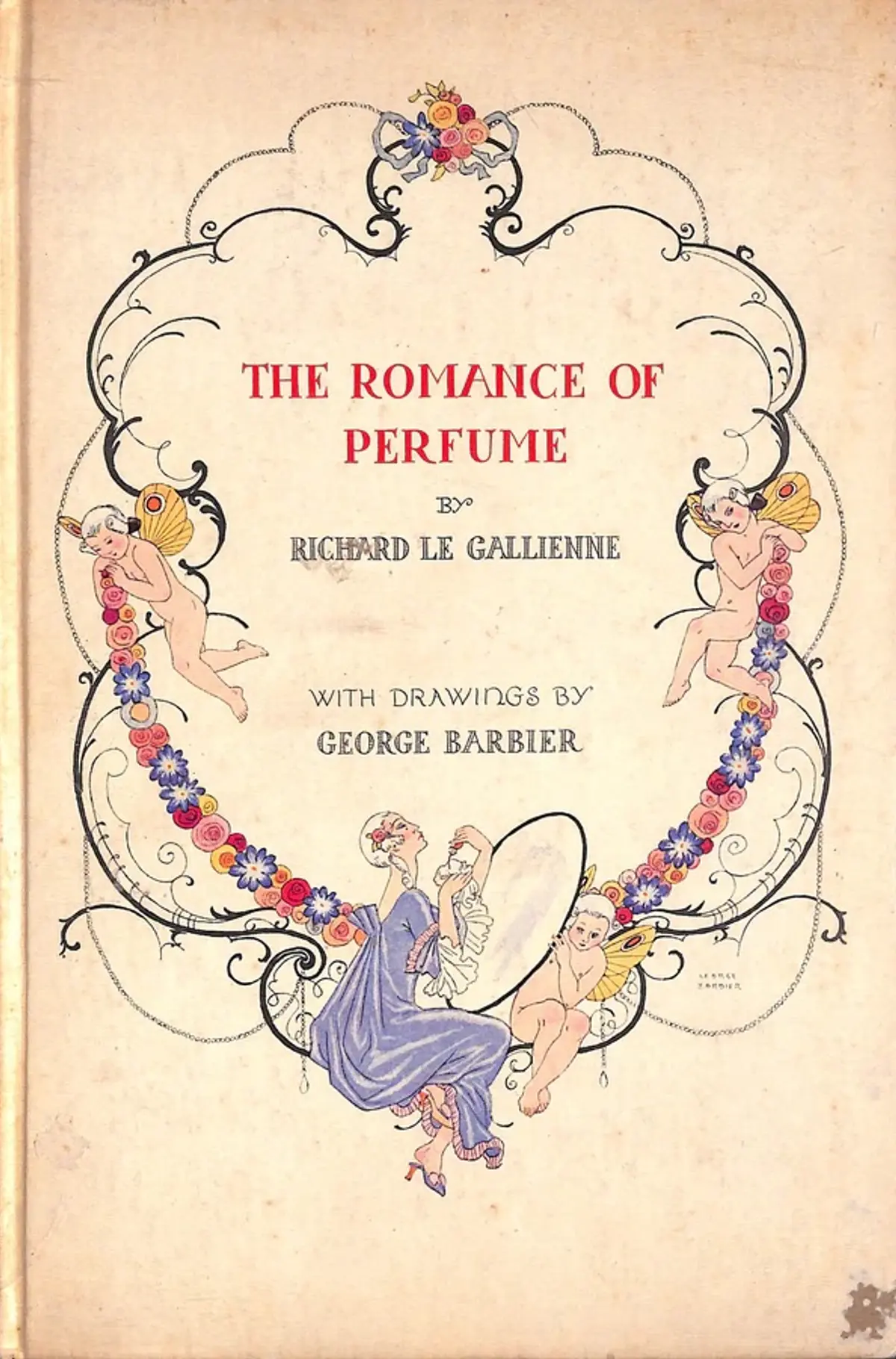
The Romance of Perfume by Richard Le Galleienne, published in 1928
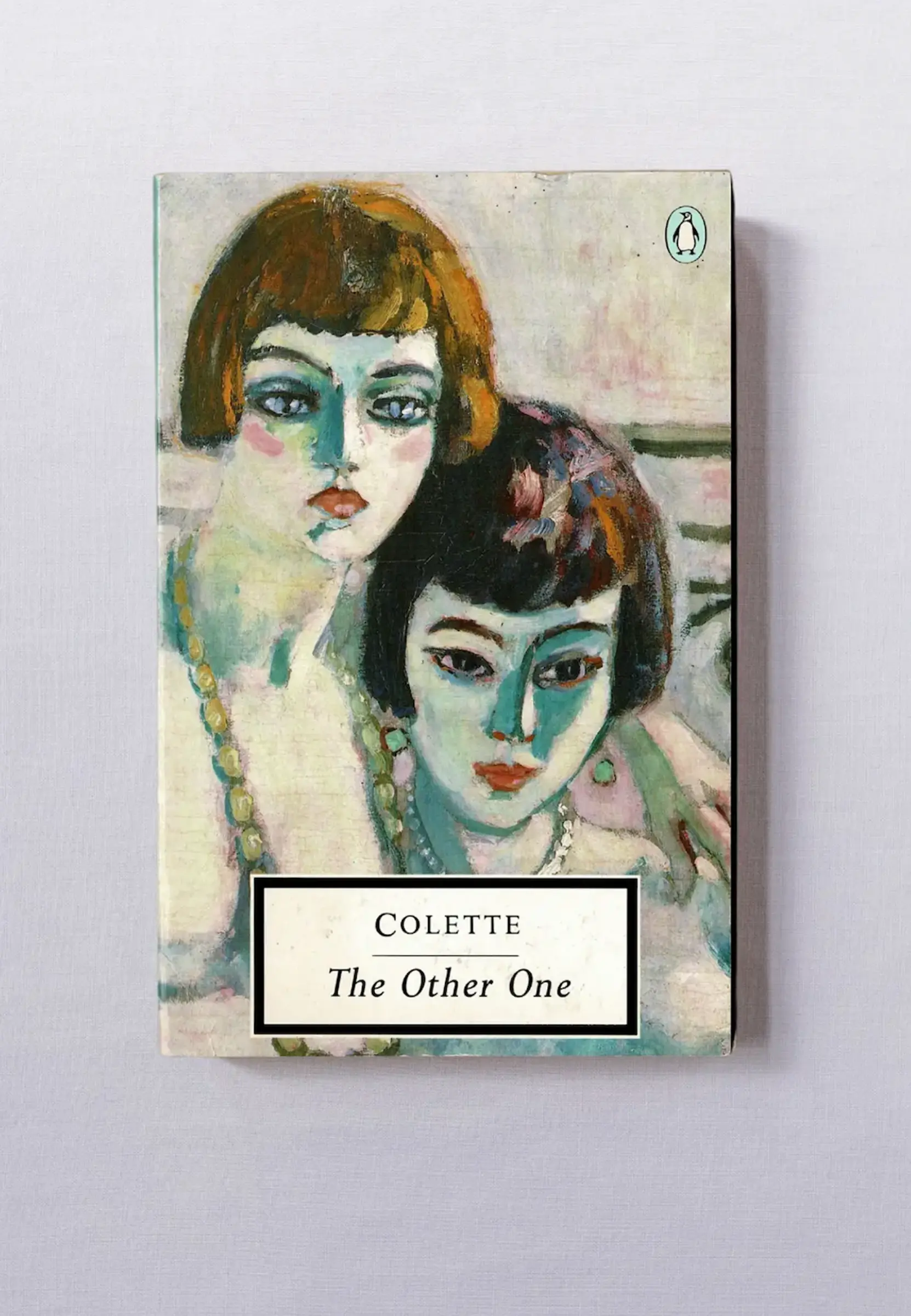
1972 Penguin edition of The Other One by Colette, included in the JOUISSANCE bookshop
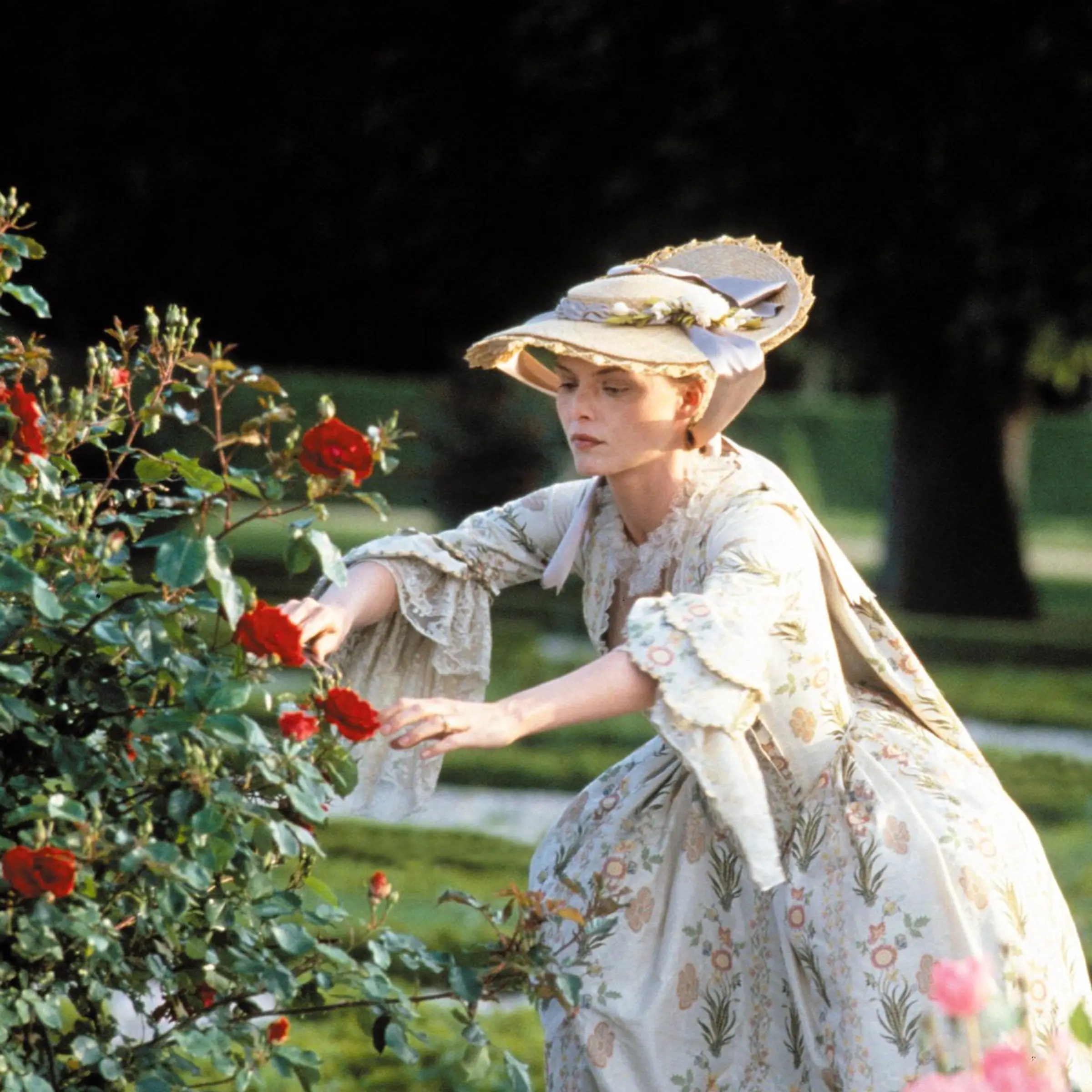
The Age of Innocence film still (1993), directed by Martin Scorsese
For the French author Colette – described once by a literary critic as an "olfactory novelist," a title she wore proudly – romance and scent were positively inseparable. In one sensual vignette in Nuit Blanche (meaning 'White Night'), published in her short story collection The Tendrils of the Vine in 1908, she relives her memories of her mistress Mathilde de Morny (otherwise known as “Missy”), their love, her scent, their summery walks together. Their bed transforms into an open bottle. “A halo of perfume envelops it,” Colette writes, the scents of her lover's favourite tobacco, burnt sandalwood and crushed grass.
Warm, nostalgic, sensual.
A well-travelled writer's den.
"It was while writing a Diary that I discovered how to capture living moments," Anaïs Nin wrote. "In the Diary I only wrote of what interested me genuinely, what I felt most strongly at the moment, and I found this fervour, this enthusiasm produced a vividness which often withered in the formal work. Improvisation, free association, obedience to mood, impulse, brought forth countless images, portraits, descriptions, impressionistic sketches, symphonic experiments, from which I could dip at any time for material."
In tribute to Anaïs Nin, one of our foremost inspirations for Jouissance, our DIARY captures our most treasured moments, our obsessions and preoccupations, our research and the lessons we learn, and the work of our cherished friends and collaborators.