Free shipping on all international orders over £100
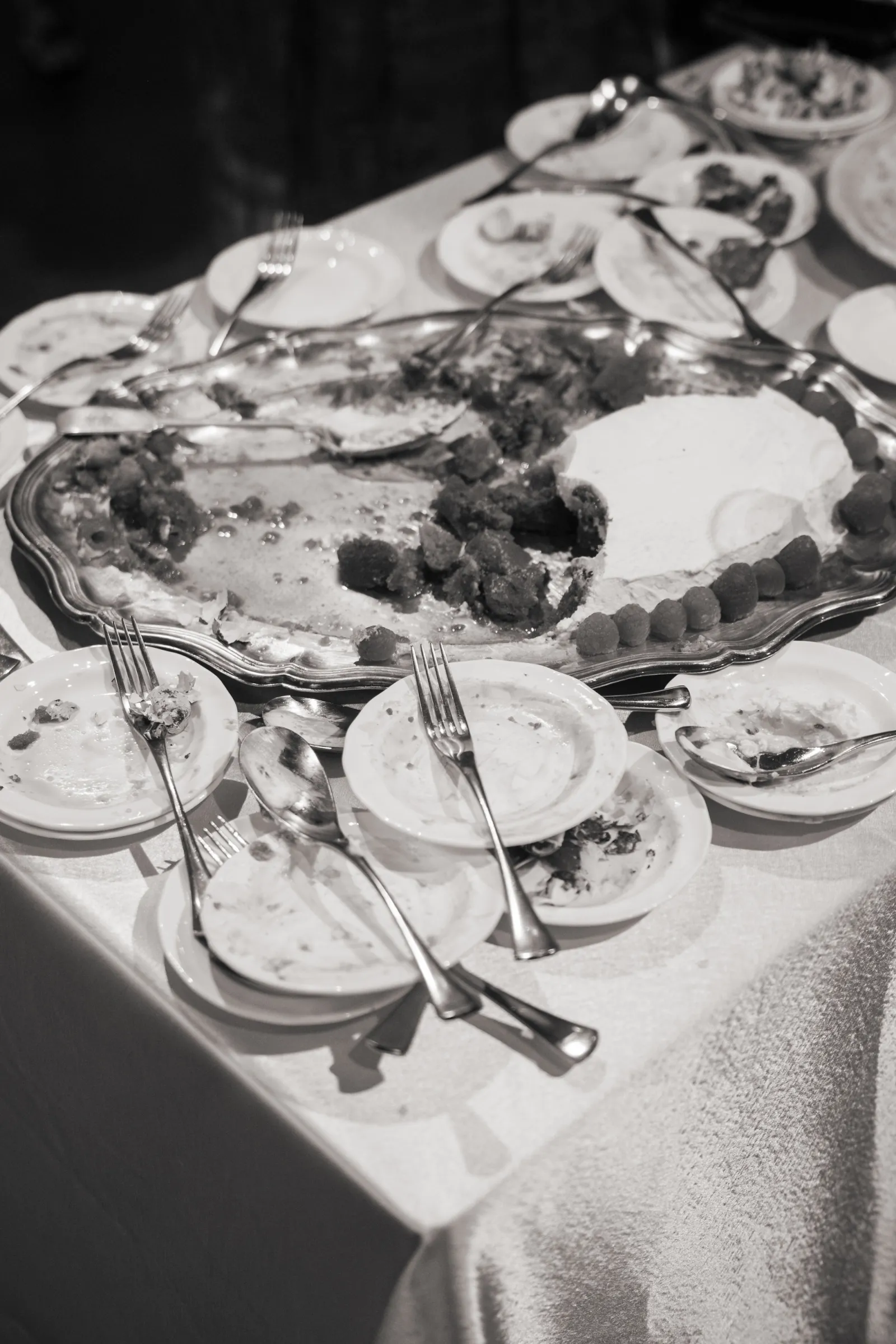
It is a truth universally acknowledged that the month of December sees one seeking a good party. Softly lit rooms filled with flirtation, fragrances vying for each other’s attention, characters (the good, the bad, the outrageous), spilled drinks on silk dresses, secrets exchanged.
Setting the scene begins with a crucial ingredient: inviting an eclectic mix of interesting personalities with whom to mingle. The Bloomsbury set’s soirees, for example, attracted the likes of artists such as Picasso, novelists, artists and film stars. “Sex permeated our conversation,” wrote Virginia Woolf in her Old Bloomsbury essay (published posthumously in Moments of Being, a collection of her unpublished autobiographical writings). In fact Woolf’s fourth novel set in 1920s London, Mrs Dalloway, could be read as an exercise in party planning. Documenting a single day in the life of “the perfect hostess” Clarissa Dalloway, which involves a morning buying flowers, an afternoon disco napping and an evening getting ready.
It is impossible to disentangle Eve Babitz The Writer from Eve Babitz The Party Girl, they meld into one. “If you live in L.A., to reckon time is a trick since there are no winters,” writes Eve Babitz, in her confessional 1974 novel Eve’s Hollywood. “There are just earthquakes, parties, and certain people.” Fun for Babitz wasn’t frivolous, it was her religion in many ways. The thing she looked up to, chased, documented in her work and never lost sight of — a treasure trove of unending curiosities. She took pride in introducing the likes of, say, Salvador Dalí to Frank Zappa. She loved name dropping. Sneaking into private gatherings. Surrounding herself with beauty and living in the moment because the other option seemed a far less intoxicating enterprise.
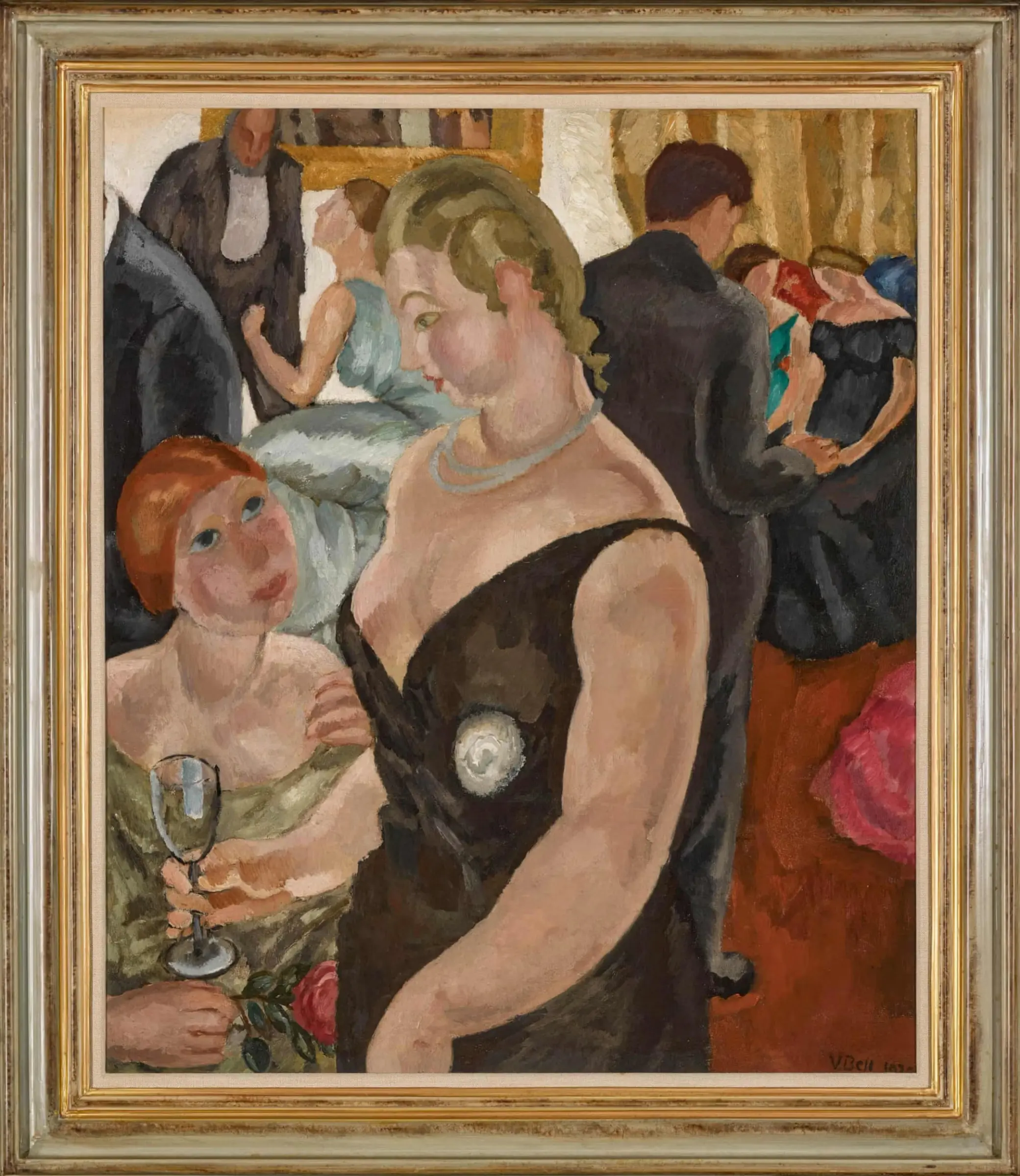
Mrs Dalloway's Party (1920), by Vanessa Bell
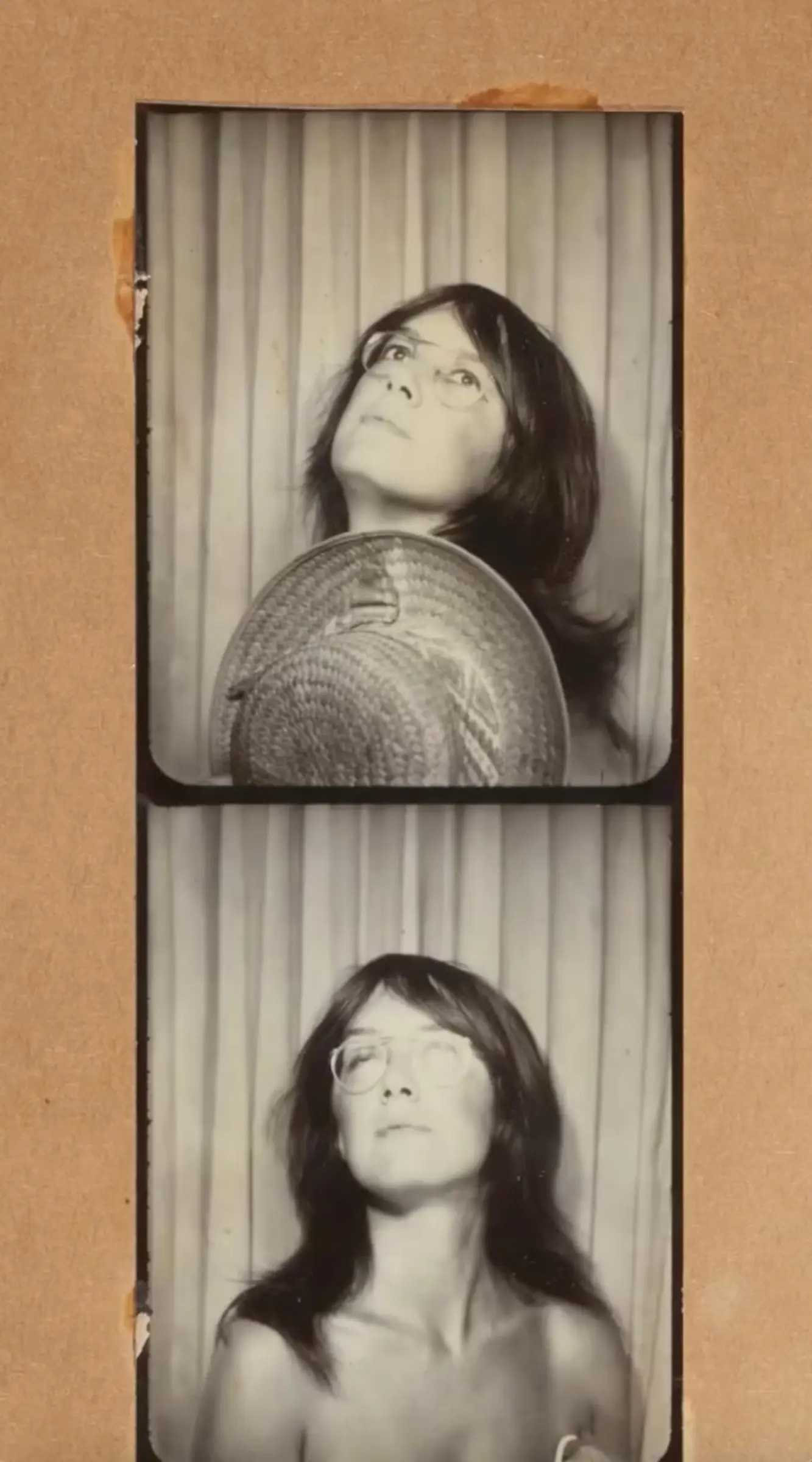
Eve Babitz
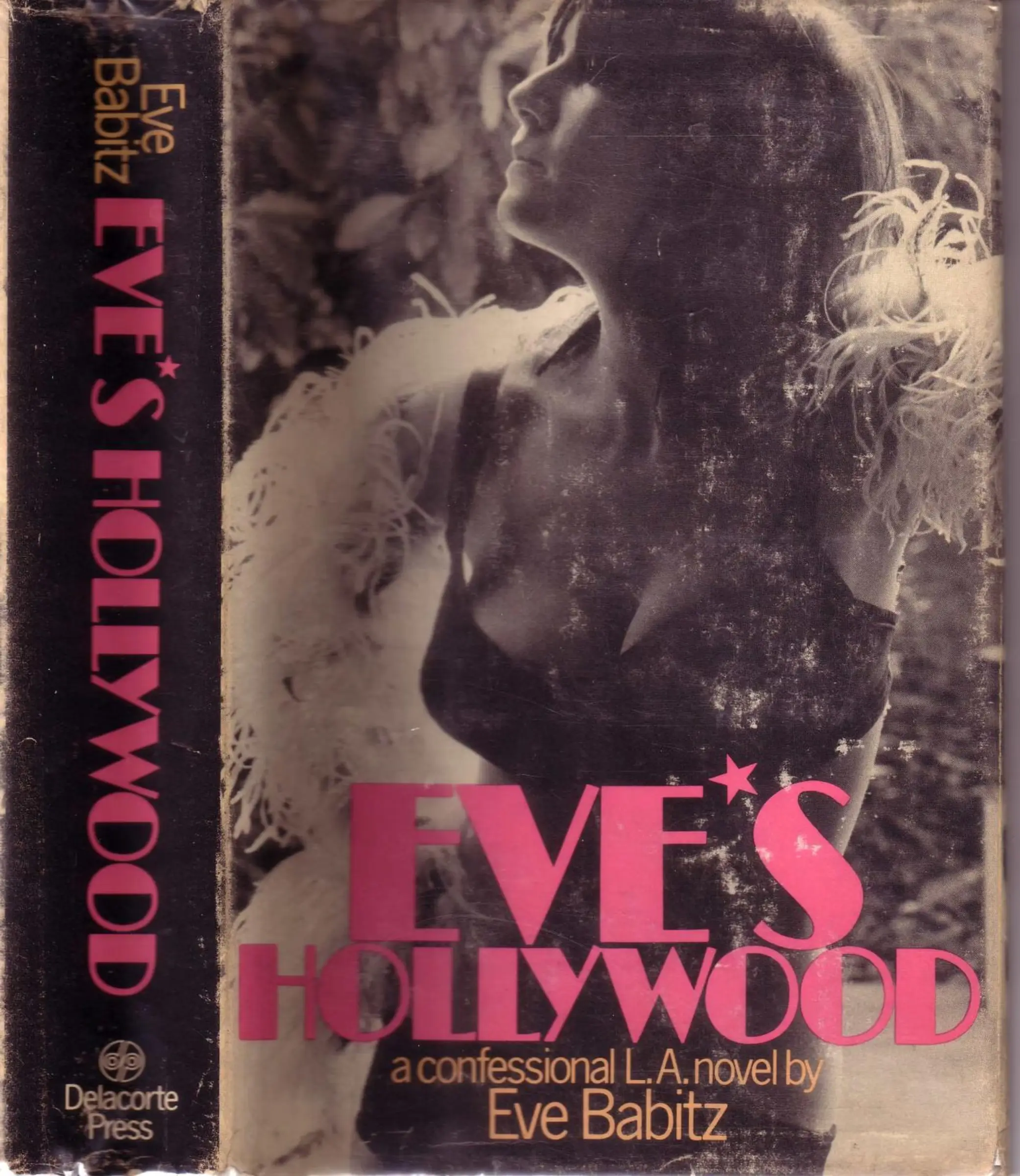
Early edition of Eve's Hollywood (1974), by Eve Babitz
THE BEAUTIFUL AND THE DAMNED
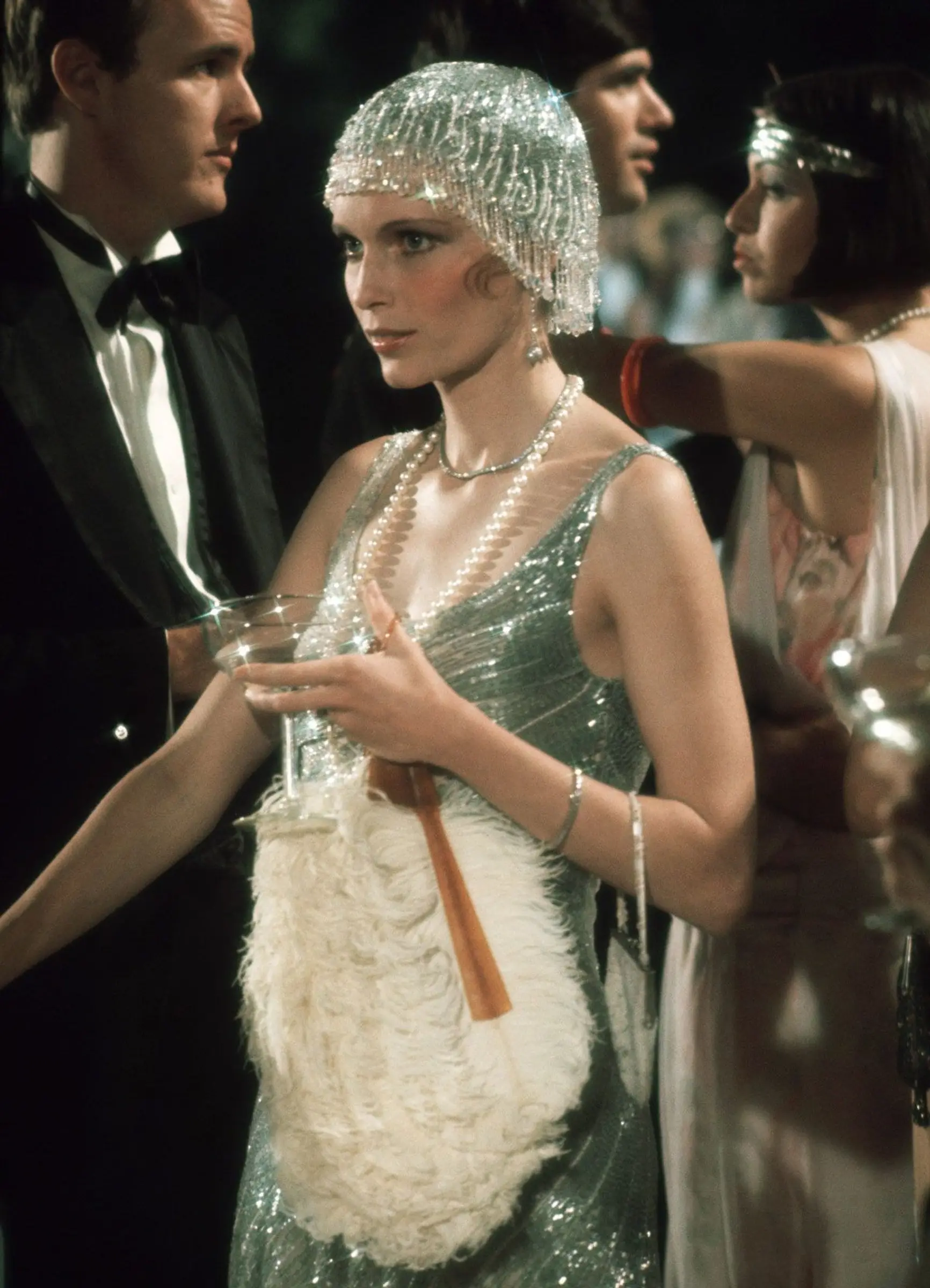
According to Save Me the Waltz author Zelda Fitzgerald, youth doesn’t need friends, it only needs crowds! She and her husband F. Scott Fitzgerald, an indulgent and rather restless pair, adored a crowd. More was more. Their champagne-filled extracurricular activities would unsurprisingly bleed into their writing: Zelda partly inspired the character of socialite Daisy Buchanan in The Great Gatsby, featuring arguably the most iconic of party mansions in literary history. Mrs Fitzgerald delighted in the joy of drawing attention to herself, of putting on makeup, of playing dress up. In her June 1922 piece for Metropolitan Magazine called ‘Eulogy on the Flapper’, 22-year-old Zelda wrote:
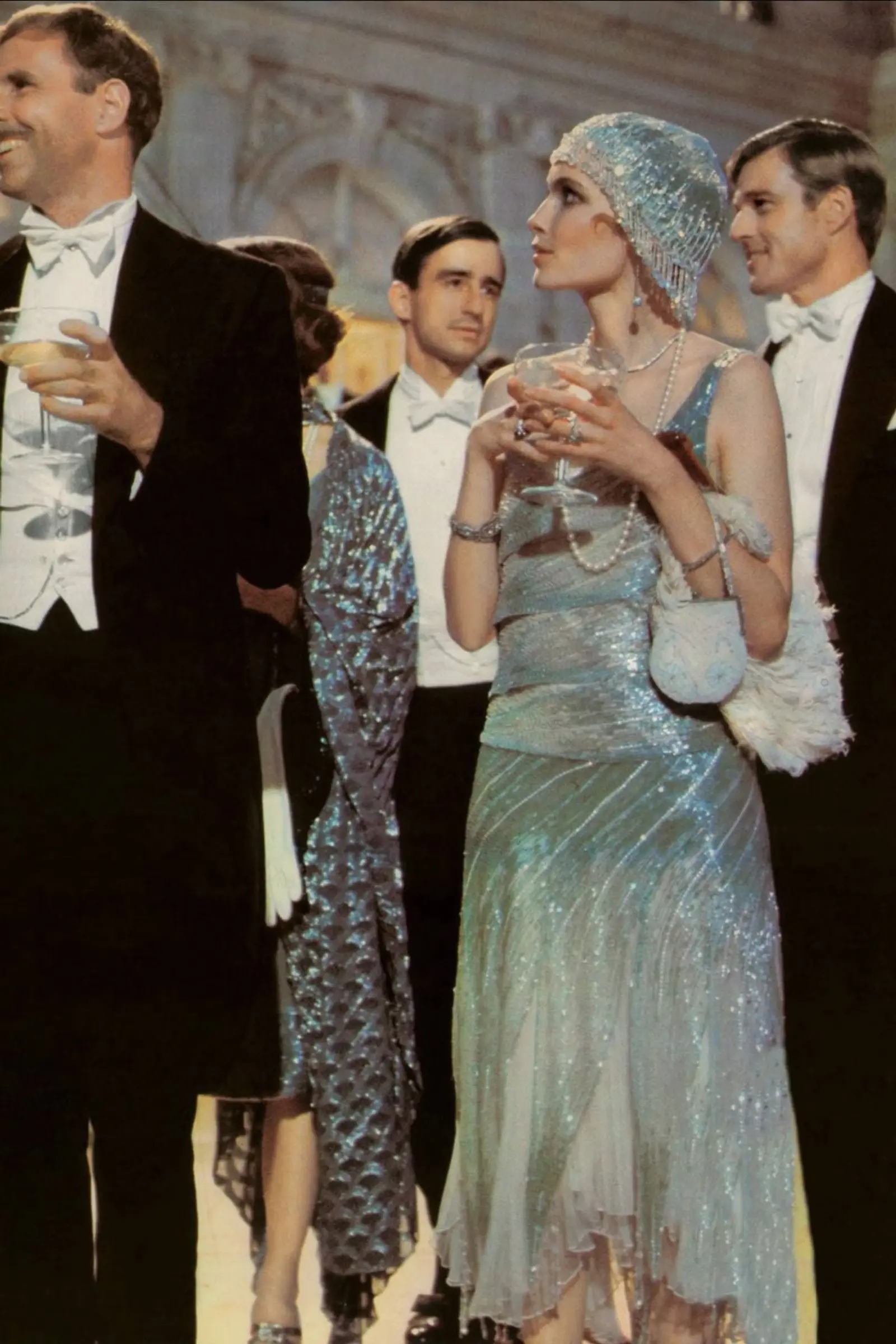
Mia Farrow as Daisy Buchanan in The Great Gatbsy (1974), directed by Jack Clayton
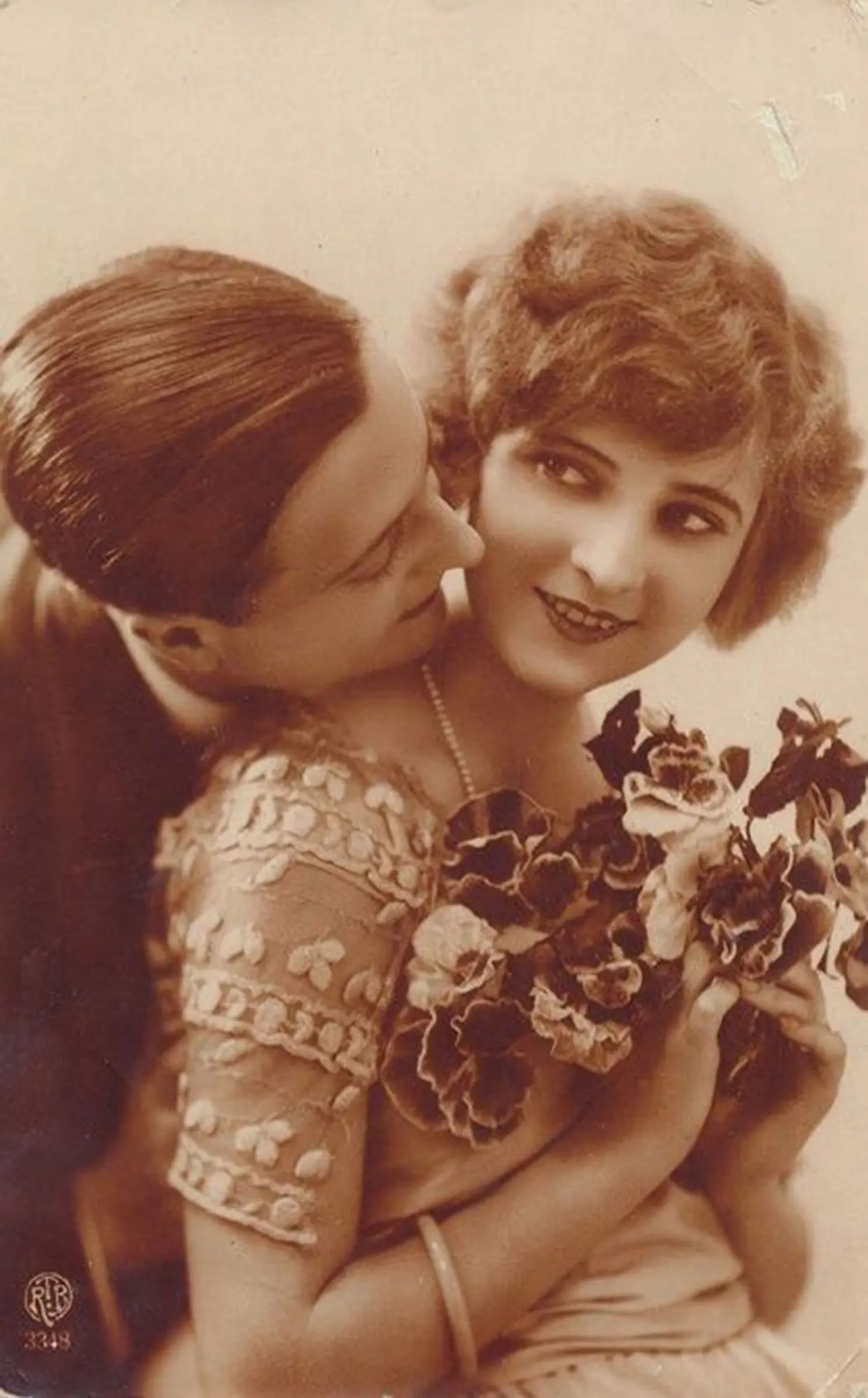
Zelda and F. Scott Fitzgerald
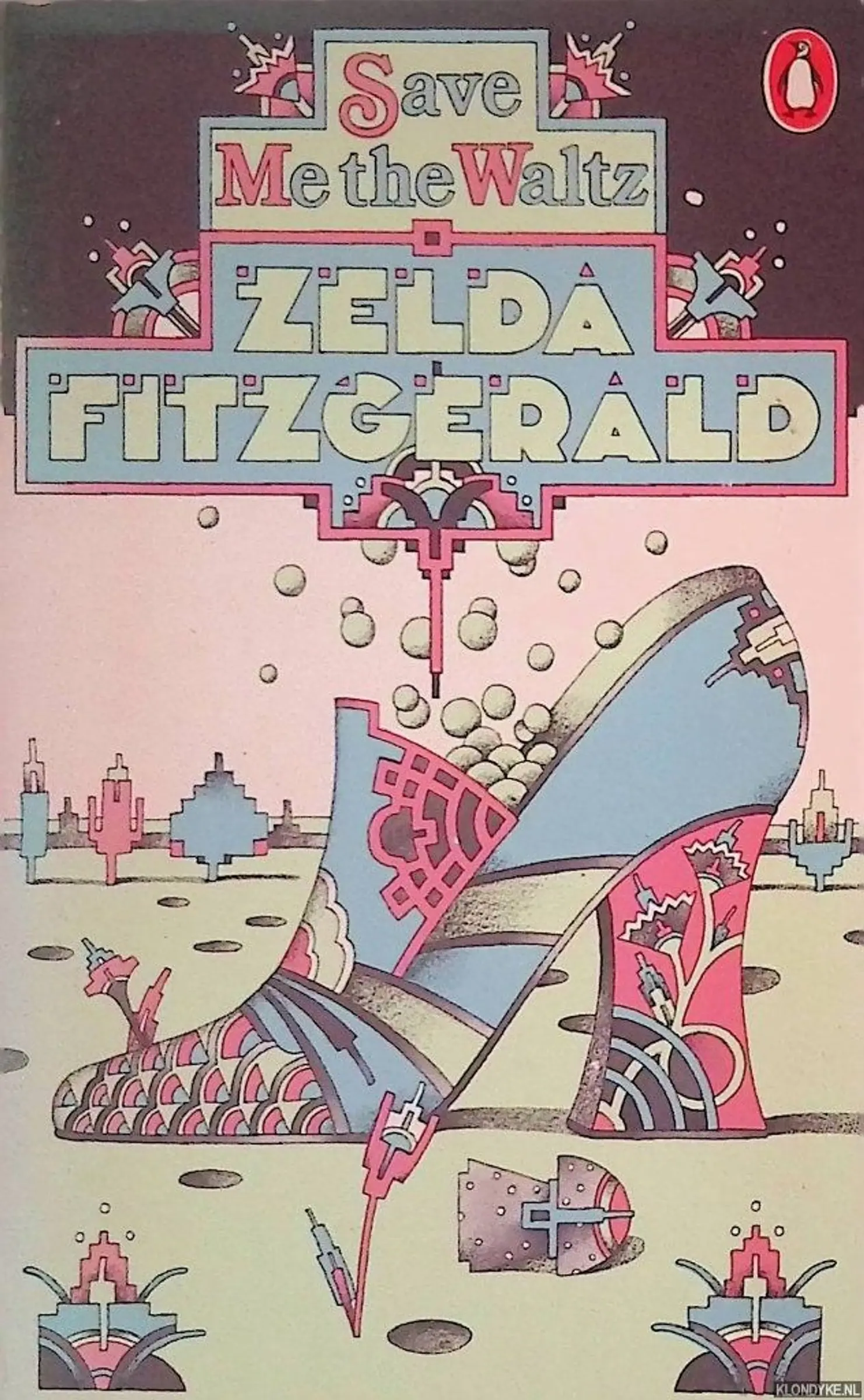
Save Me the Waltz (1932) by Zelda Fitzgerald
The literary party girl has a history of leaning on a statement look. There’s the ice-breaker outfit in the style of LES CAHIERS SECRETS muse and author Anais Nin, who once turned up to a “Come As Your Madness party” in the 1950s dressed in a skin-coloured leotard, a fur belt, and her head inside a birdcage. Or young flapper girl Lorelei Lee in Anita Loos’ 1925 social satire Gentleman Prefer Blondes, who has her heart set on a diamond tiara. For others, it is their paintbox bright manes which mirrors their love of excess. From the flame-haired Felicity in Renee Auden’s novel The Party, which follows her erotic adventures, to pink haired 21-year-old Sally in Elaine Dundy’s 1958 The Dud Avocado (published the same year as Truman Capote's Breakfast at Tiffany’s, which featured another incandescent party girl, Holly Golightly), a young American in Paris who is on a mission to live her life to the fullest, to collect lovers and roam from one café to another…
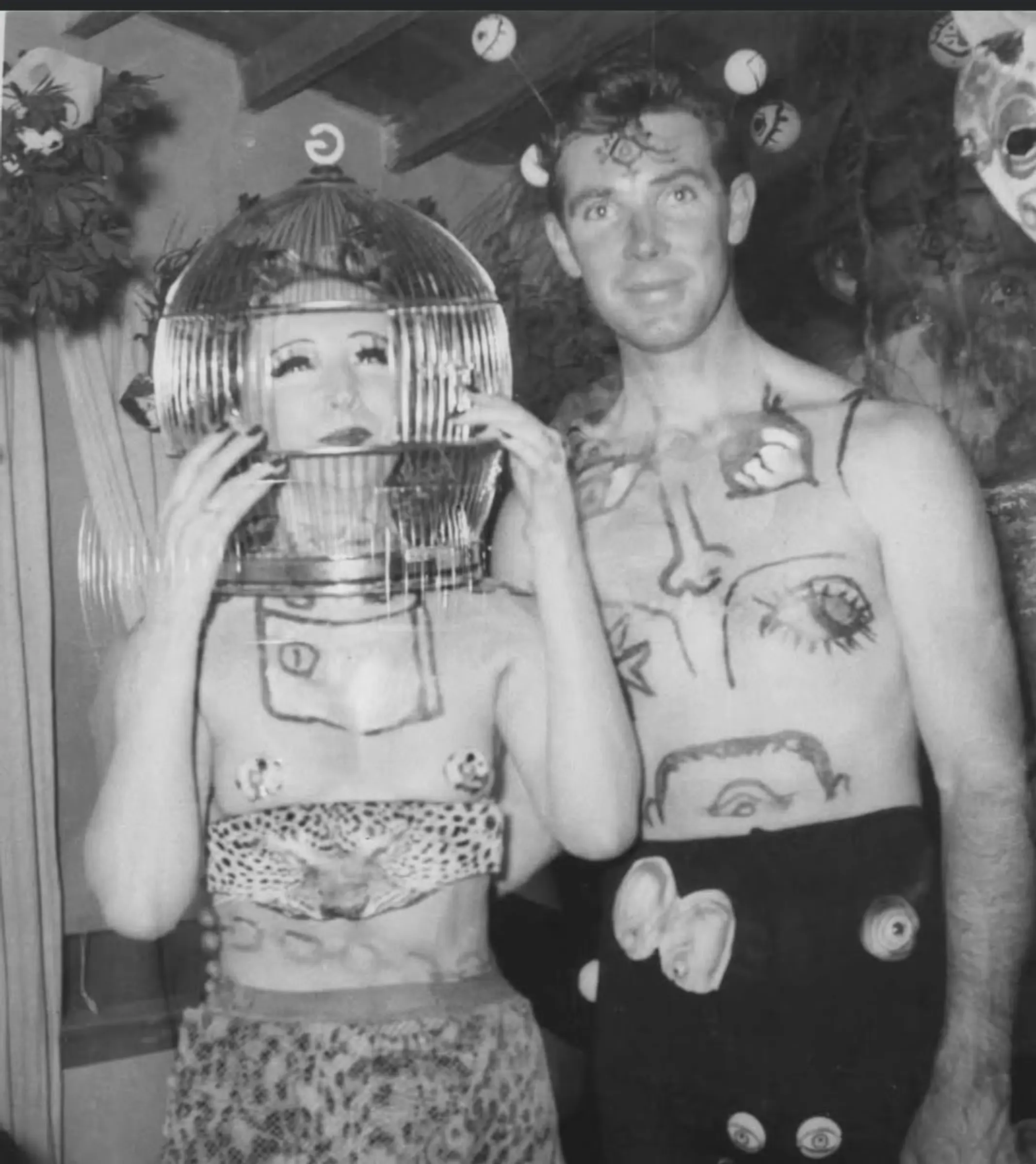
Anaïs Nin at a 'Come As Your Madness' party in the 1950s
For the more mysterious JOUISSANCE party girls? A distinctive fragrance, rather than a dress or new hairstyle, can induce just the right amount of envy in your fellow guests. For instance, in Jean Rhys’ novel, Quartet, a young woman (Marya Zelli) becomes momentarily obsessed with another “outstandingly pretty” girl, Mademoiselle Simone Chardin, while drinking aperitifs in a café at the Rue Lamartine.
— Quartet by Jean Rhys
Once Mademoiselle Chardin had taken off her hat, Marya breathed in the scent of the stranger’s warm perfume before asking her what she was wearing. With an air of urgency, and hope that in some way she, too, could absorb this girl about town’s self-possession.
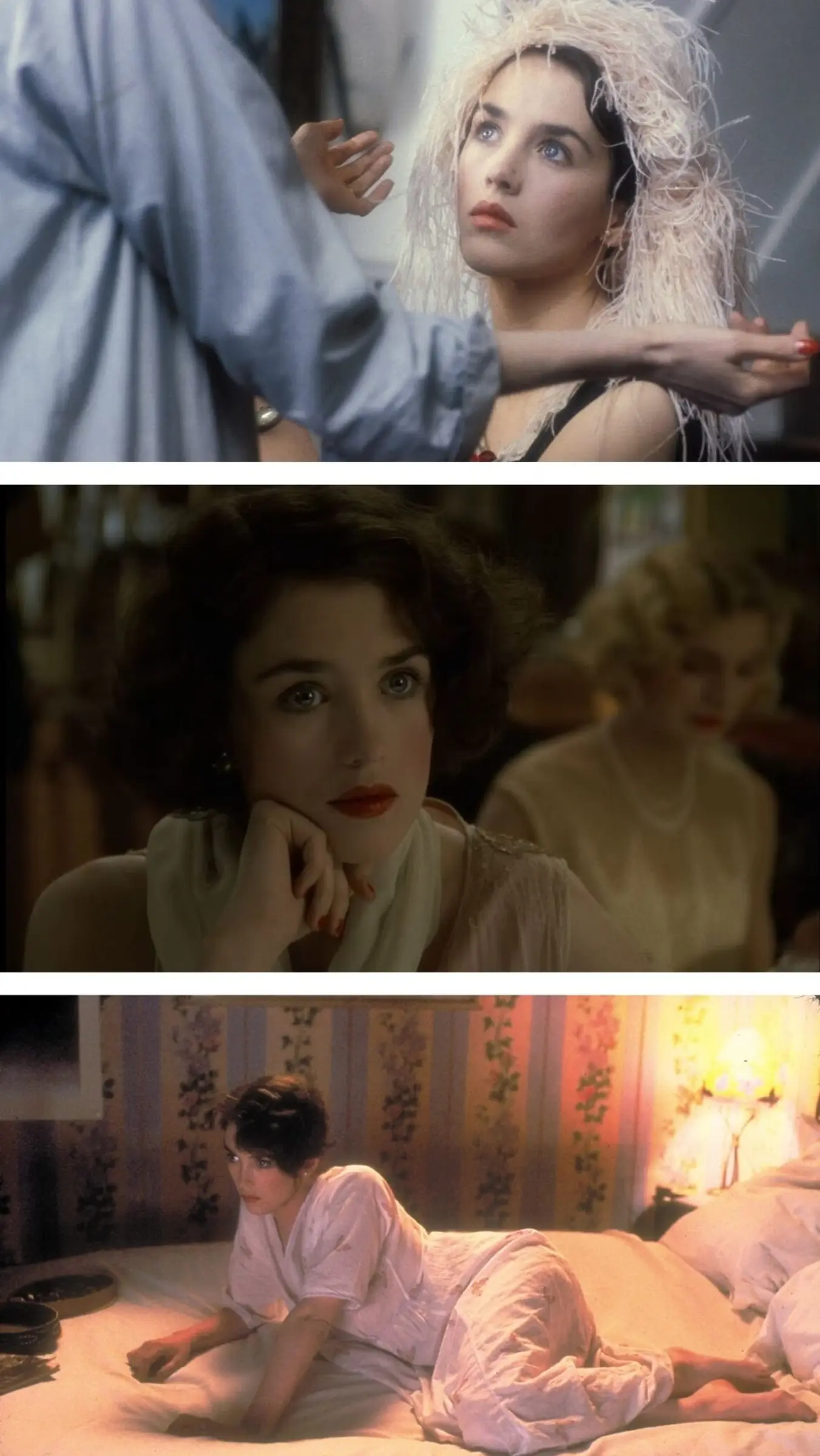
Isabelle Adjani as Marya Zelli in Quartet (1981), directed by James Ivory
Jean-Paul Sartre once famously said, hell is other people. And yet, one of the great loves of his life, Simone de Beauvoir, took the opposite view. “In songs, laughter, dances, eroticism, and drunkenness,” de Beauvoir writes in The Ethics of Ambiguity, “one seeks both an exaltation of the moment and a complicity with other men.” She was a dedicated partygoer, even during the occupation of Paris.
— Simone de Beauvoir
Meeting new people, a good party — these are valuable experiences to cherish. Bathing in a moment, however fleeting it may be, of sheer and unapologetic pleasure.
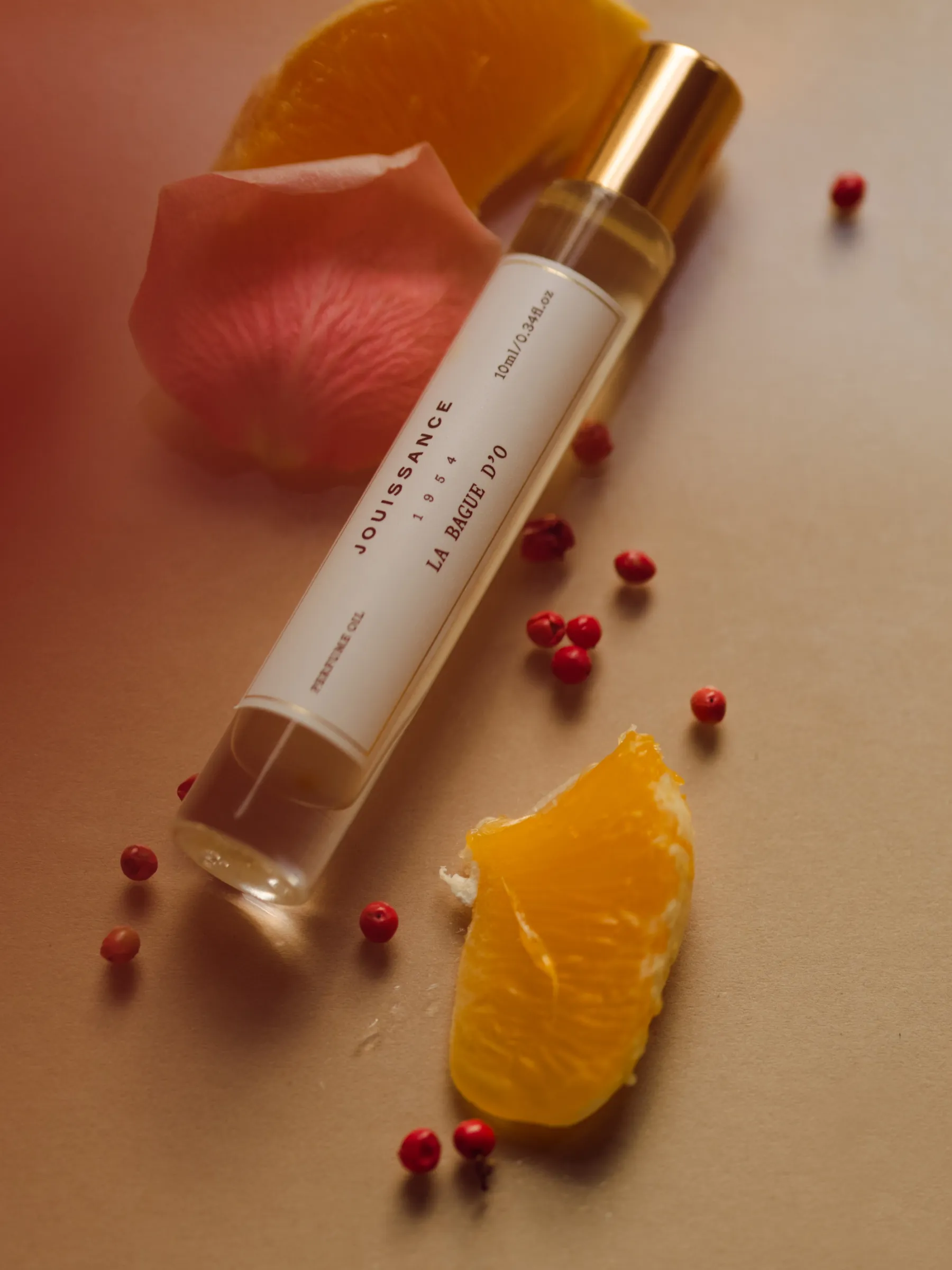
portable, precise, personal.
A perverse twist on a lover’s bouquet.
"It was while writing a Diary that I discovered how to capture living moments," Anaïs Nin wrote. "In the Diary I only wrote of what interested me genuinely, what I felt most strongly at the moment, and I found this fervour, this enthusiasm produced a vividness which often withered in the formal work. Improvisation, free association, obedience to mood, impulse, brought forth countless images, portraits, descriptions, impressionistic sketches, symphonic experiments, from which I could dip at any time for material."
In tribute to Anaïs Nin, one of our foremost inspirations for Jouissance, our DIARY captures our most treasured moments, our obsessions and preoccupations, our research and the lessons we learn, and the work of our cherished friends and collaborators.