Free shipping on all international orders over £100
JOUISSANCE was sparked by the words of women who taught us to desire. Our fragrances are unapologetically feminine, evocative of the literary and sensual interior lives of women who held up a mirror to their secret selves and erotic discoveries, their intense pleasures and pains. This Women’s Month we’re taking a moment to celebrate the three iconic female writers behind the JOUISSANCE scents – scroll for the last in our series, EN PLEIN AIR muse Catherine Millet.
“I firmly believe that an artwork should, first and foremost, be about making ideas,” insists Catherine Millet. Decades before her adventures in literary exhibitionism, publishing her candid bestselling memoir, The Sexual Life of Catherine M. in 2001, heralded as “the most explicit book about sex ever written by a woman” and selling 300,000 copies by the time it appeared in English the following year, she had already formed a deep compulsion to consume the ideas of great artists. From childhood, she had free rein of her mother's library in their Parisian flat – her earliest memories are of voraciously reading.
She wanted to create a space that fostered original ideas and free speech, that sparked debate and shaped a new form of art criticism. And so, despite her “little experience”, in 1972 she founded the highly respected Art Press magazine – serving as its long-time Editor-in-Chief and co-founder (alongside her then-boyfriend, Daniel Templon) and, crucially, maintaining financial independence.
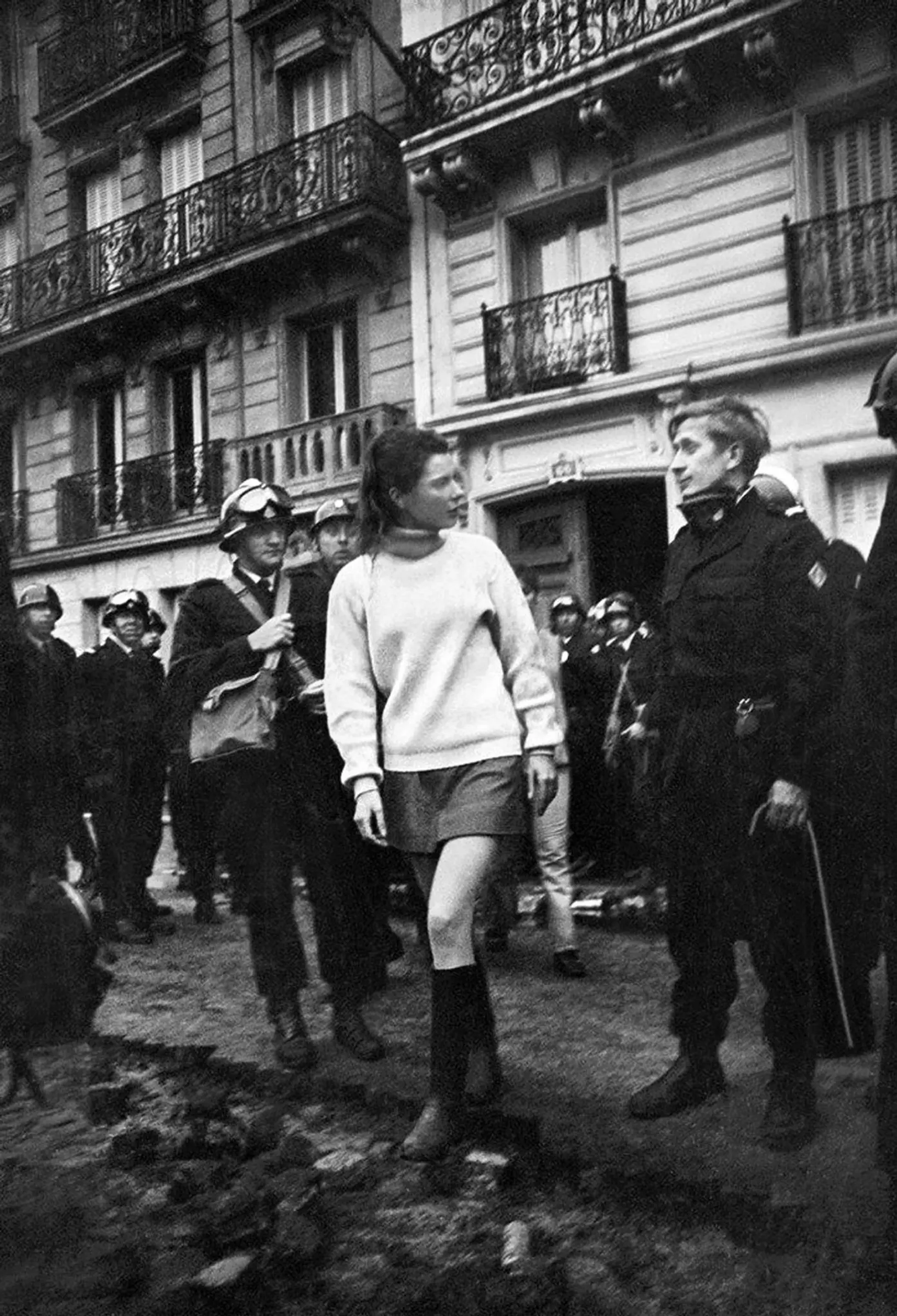
Catherine Millet, 1968 in Paris. Featured in an Art Review feature in 2018
A respected critic, editor and curator, Millet has authored eight books of art criticism, exploring the works of Yves Klein, DH Lawrence and Salvador Dalí. She was particularly drawn to Dalí's archive because, in her eyes, no other body of work so vividly illuminates “the operations of the scopic drive.”
Elsewhere, she has deconstructed the role of the art critic itself and celebrated Bettina Rheims’ erotic photography – which focuses on the sensuality and power of the female form – in both The Book of Olga (featuring explicit portraits of Russian beauty, Olga Rodionova, commissioned by her millionaire oligarch husband) and Heroines (portraits of 23 women, from ballet dancers to actresses). In 2016, Millet’s extensive body of critical work and contributions to contemporary art awarded her the first Francois François Morellet Prize.
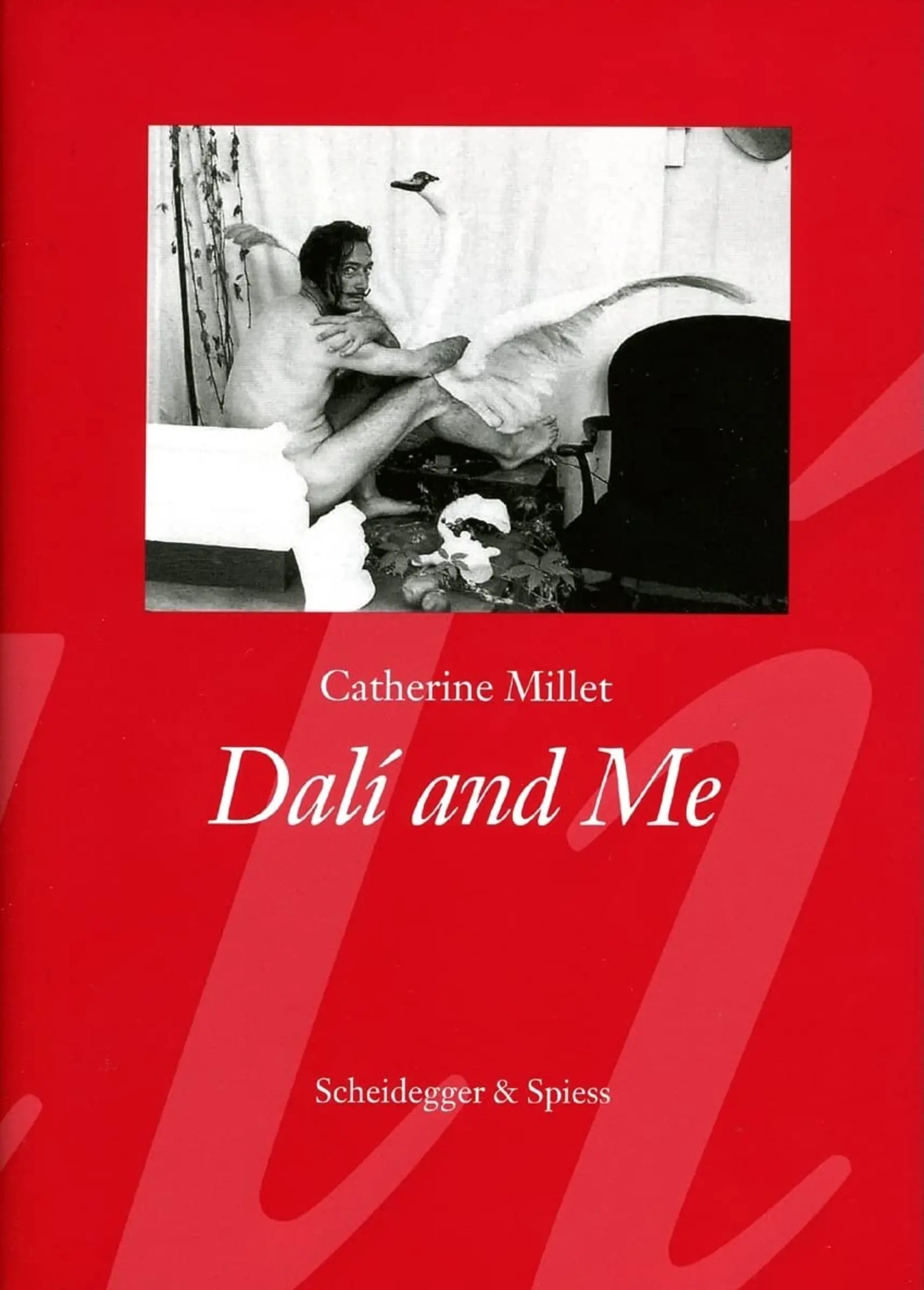
Dalí and Me by Catherine Millet, published in 2005
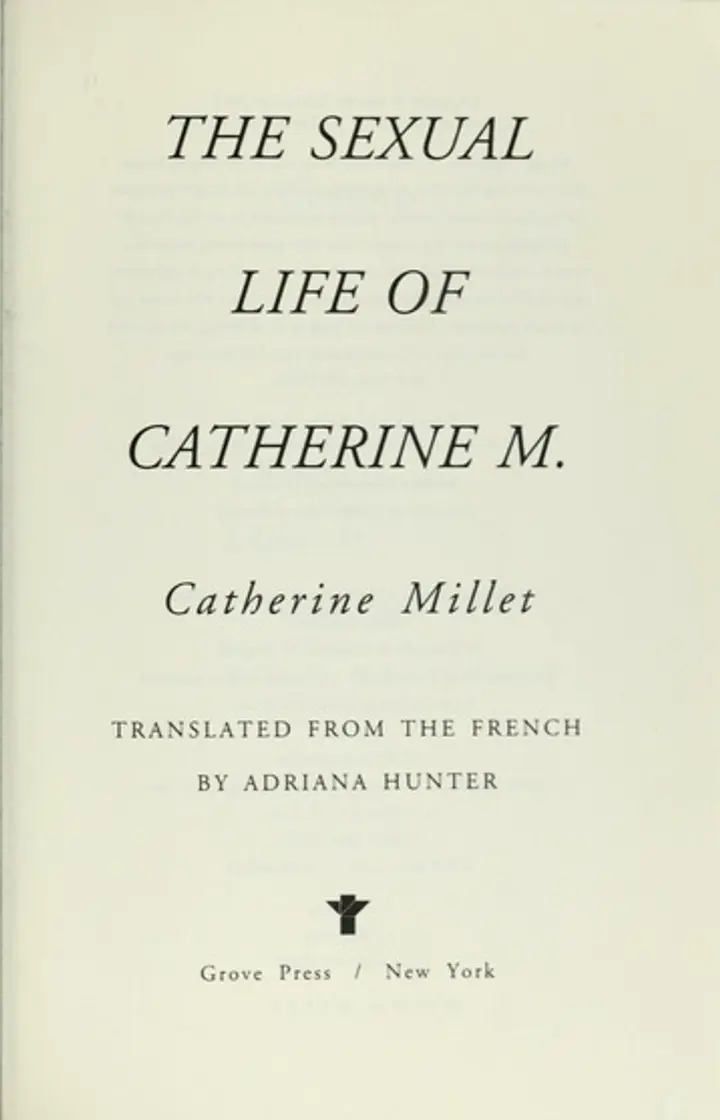
The Sexual Life of Catherine M. interior, by Catherine Millet, published in 2001
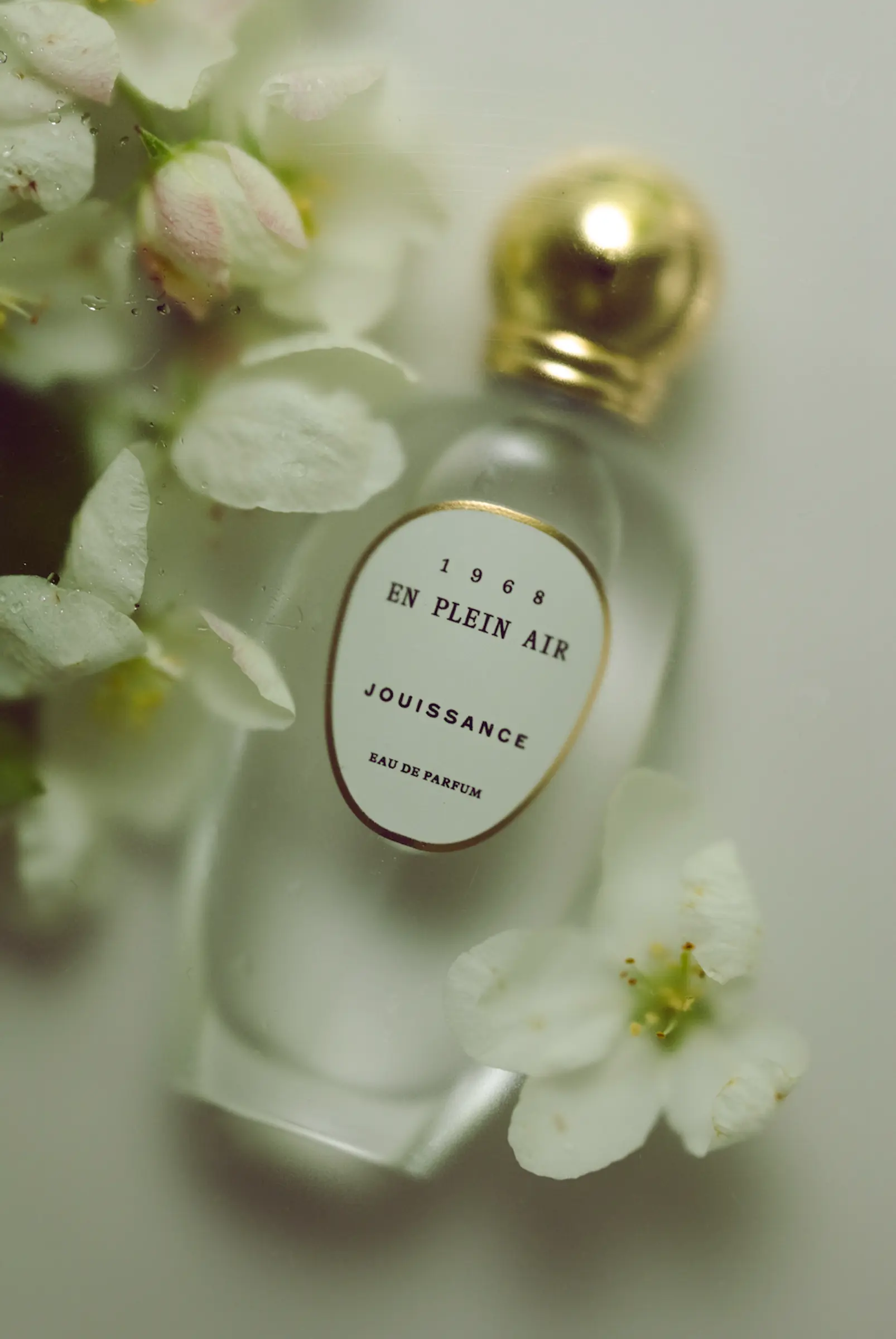
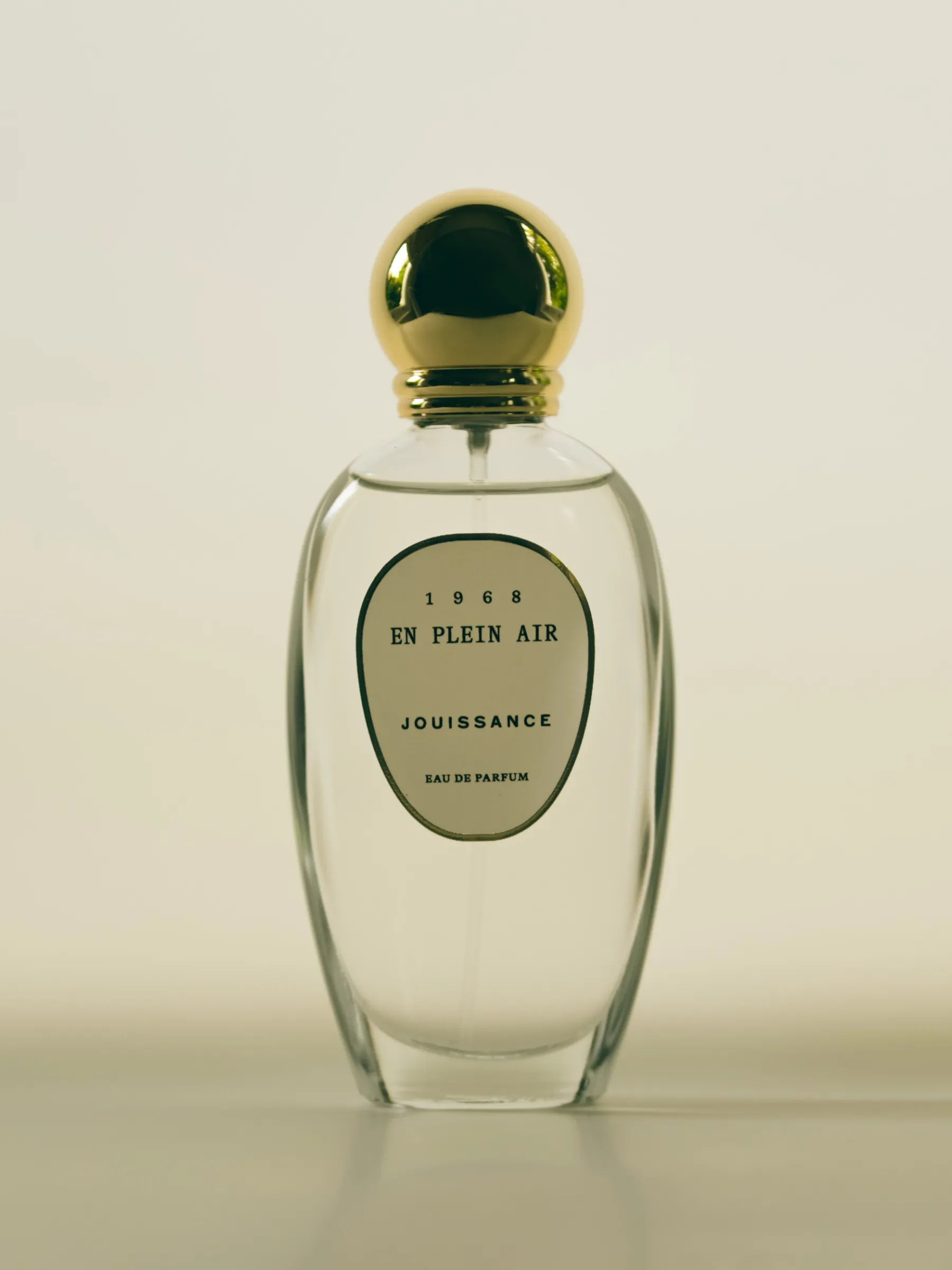
EN PLEIN AIR, photo by Sophie Jane Kirk
There’s a saying that falling in love happens slowly at first and then all at once. The same could be said for Catherine Millet’s sexual odyssey. Having lost her virginity at 18 which was, she says, “not especially early”, she had group sex for the first time in the weeks that followed. It is here she sets the scene for the opening of her debut memoir, The Sexual Life of Catherine M., a literary tour de force forensically detailing the Parisian art critic’s uninhibited, uncensored and, at times, coolly detached adventures in group sex, orgies in the Bois de Boulogne, swingers clubs et al. Despite her innumerable sexual exploits over the years, she declares there are only 49 men whose faces or names she could actually recognise.
“What is exhilarating about Millet’s book is her impeccable lack of guilt,” writes Jenny Diski in her 2002 LRB book review. “In spite of a Catholic upbringing and her reading of Lacan, she claims to be quite free from sexual (as opposed to social) anxiety.”
Millet was rarely snobbish over the location such X-rated acts would take place in, experimenting with many public and private spaces: parks, house parties, inside cars, saunas, art galleries and so on. She did, however, have a particular affinity with alfresco exploits – open-air happenings that would come to inspire JOUISSANCE’s award-winning and citrus-soaked scent, EN PLEIN AIR.
In one particularly sensual description she describes frenetic summers spent with various sexual partners. “Sporadically united,” Millet recalls. “in little orgies under the sun behind the low wall of a garden that overlooked the sea.”
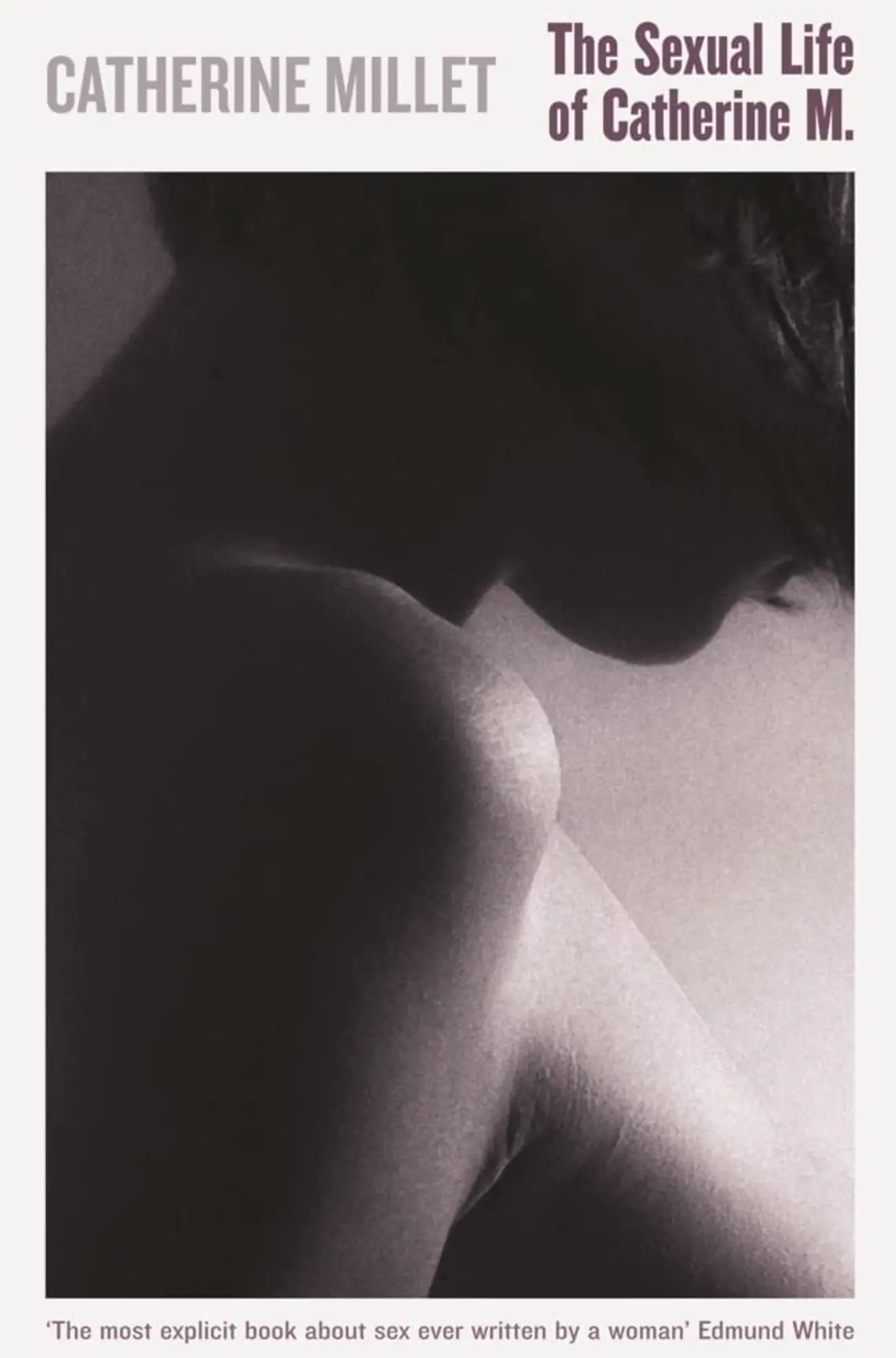
The Sexual Life of Catherine M. by Catherine Millet, published in 2001
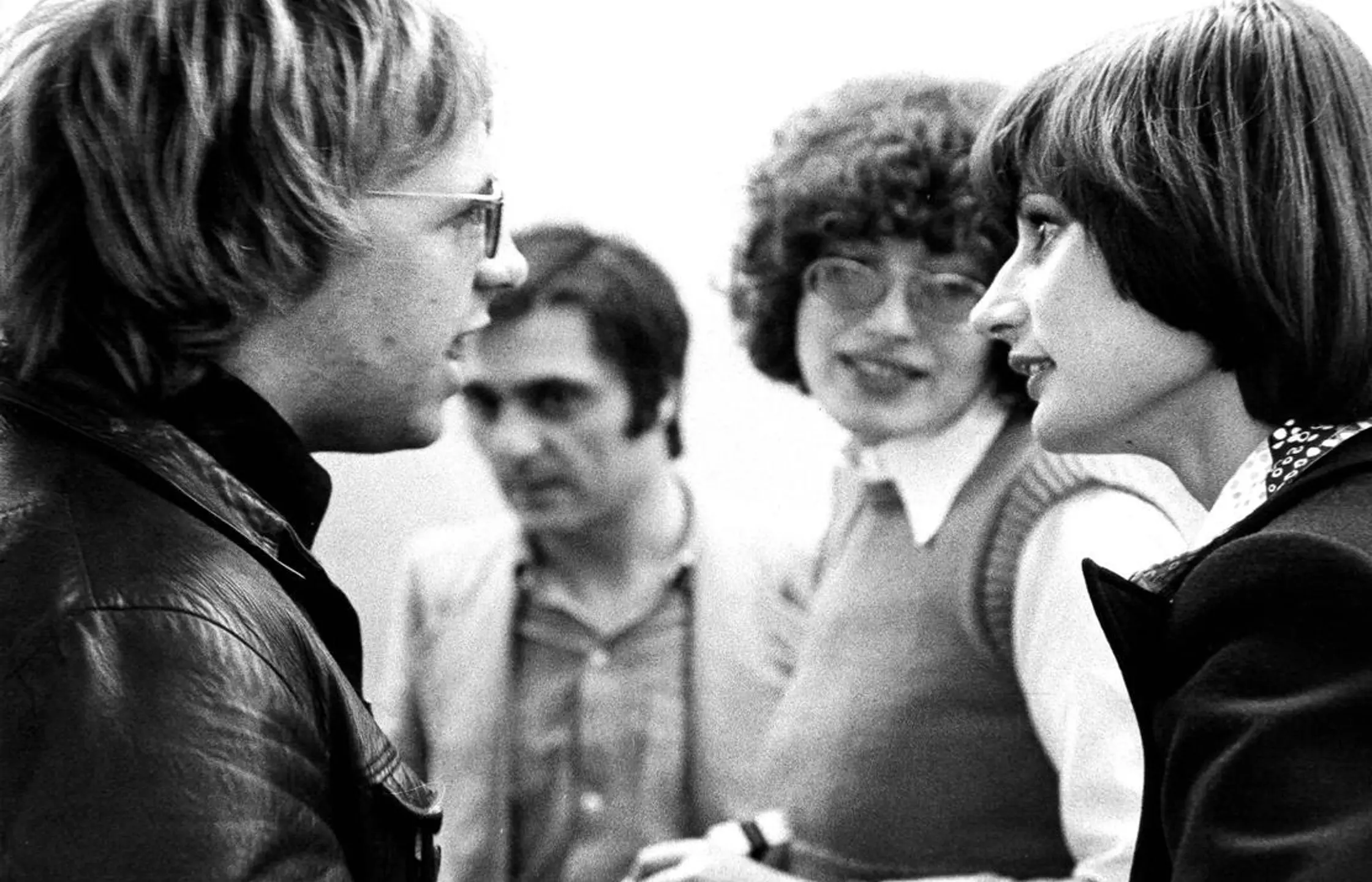
Catherine Millet with artist Joseph Kosuth, art critic Giancarlo Politi, the collector Daniella Dangoor in Milan, in 1975. Photo by Bruno del Monaco.
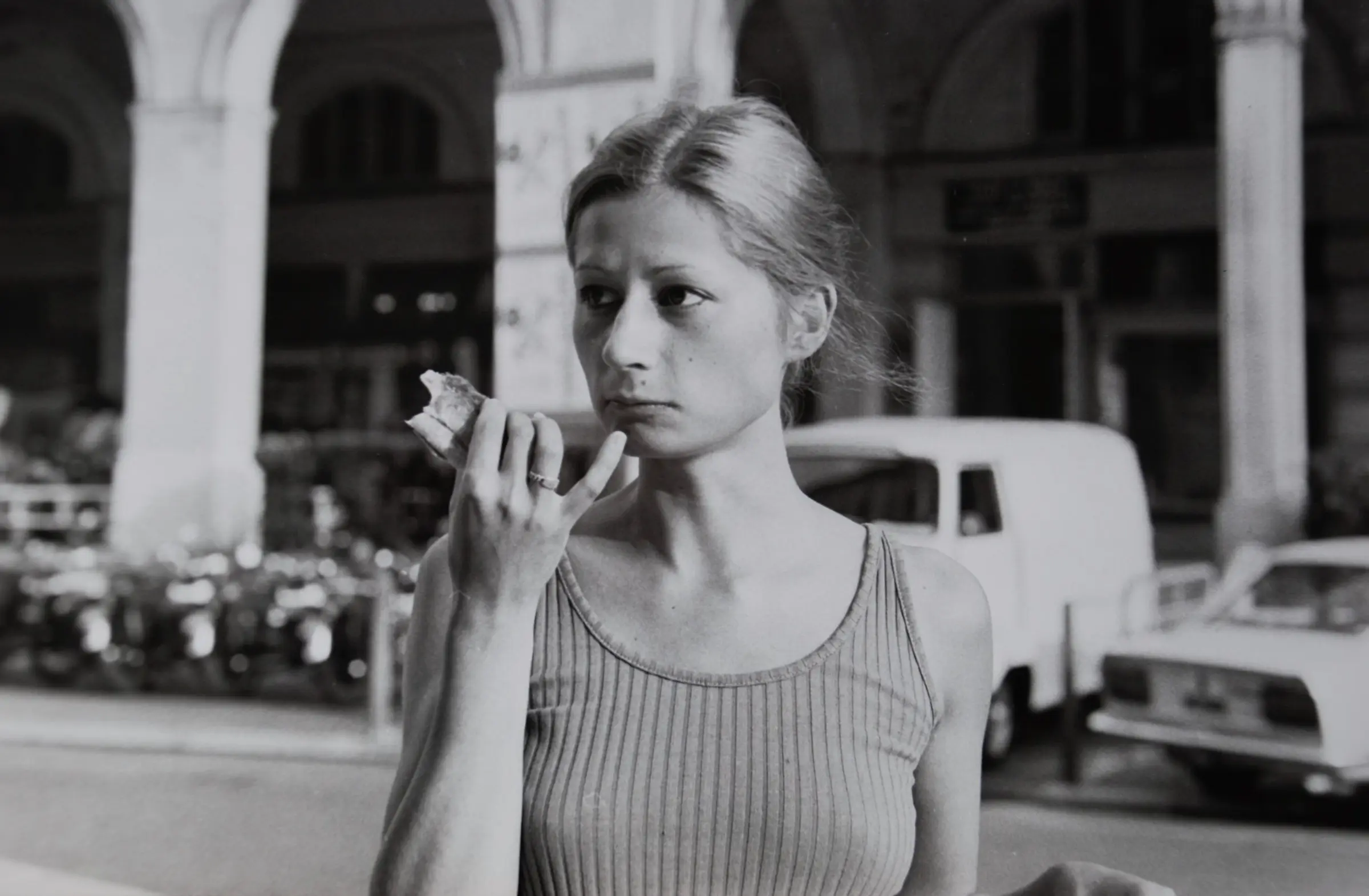
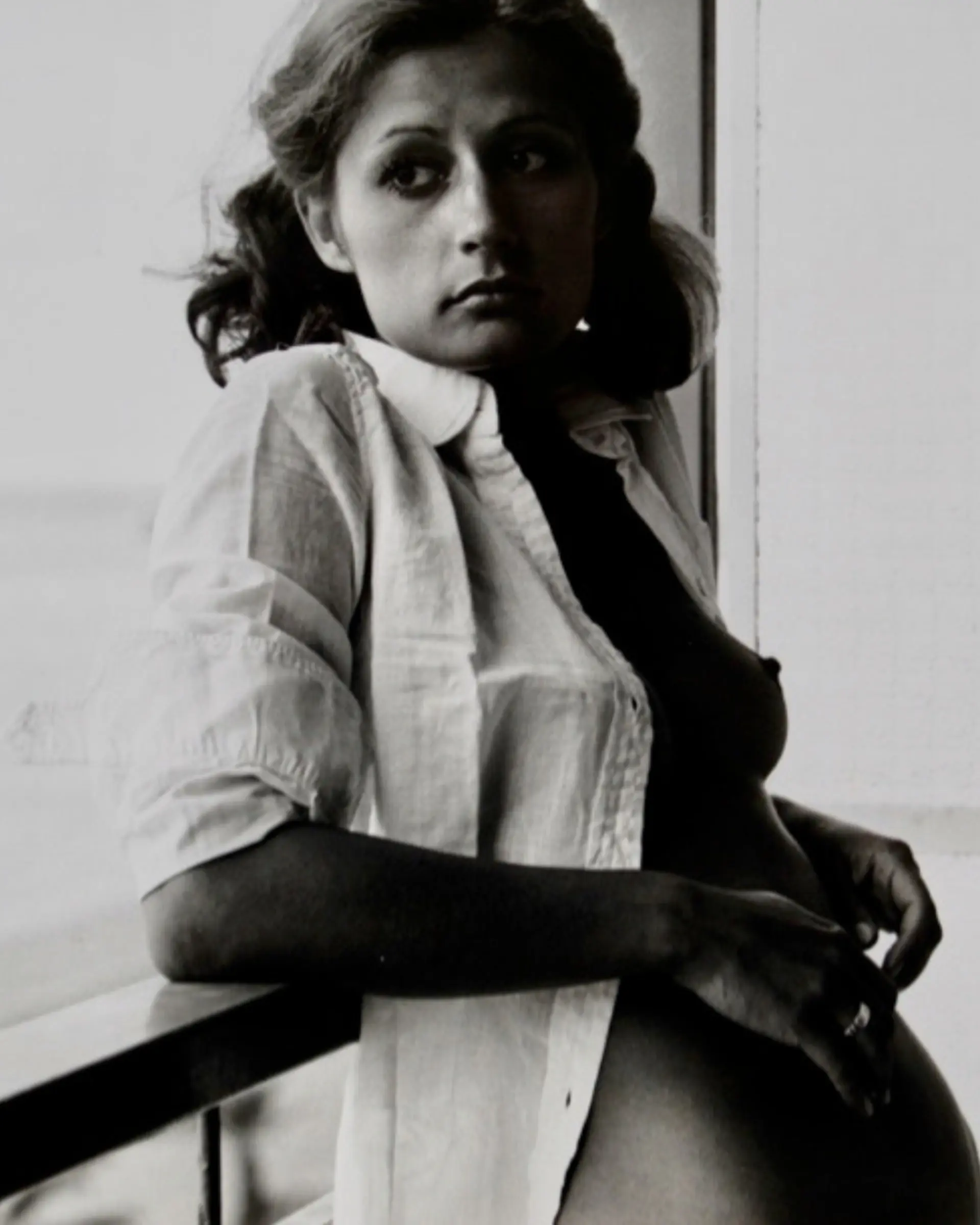
Catherine Millet in 1970 (Catherine Millet’s personal archive). Photo by Daniel Templon.
In the early 1970s, on the cusp of her mid-20s, she fell in love with her now-husband, the novelist and art critic Jacques Henric (in the early noughties he would publish Légendes de Catherine M., a book of 32 nude photographs he’d taken of her in her, a book that Millet refers to as a “declaration of love”).
With Jacques, my jealousy took the form of a terrible eviction.
– Catherine Millet, The Sexual Life of Catherine M.
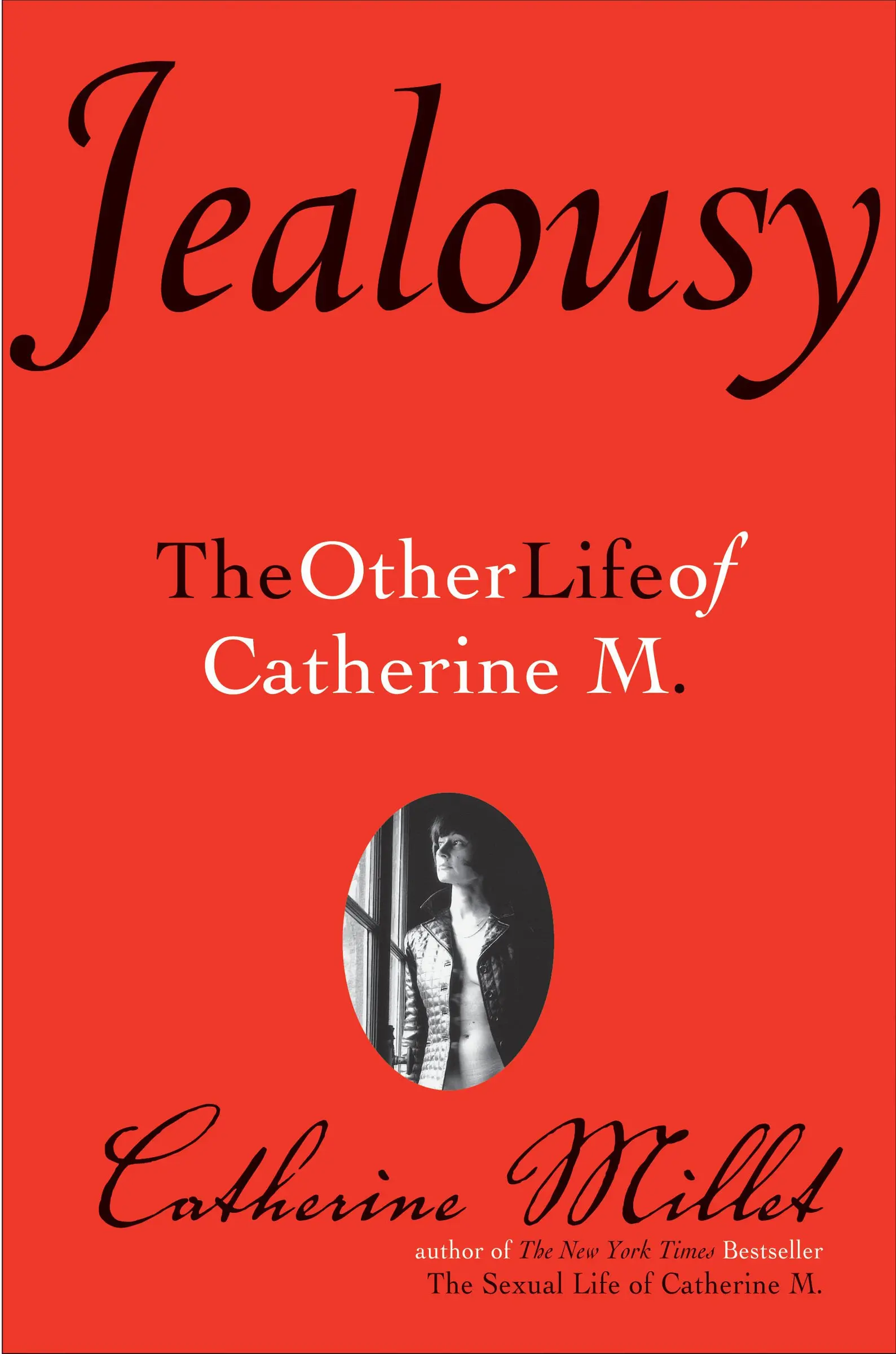
Jealousy: The Other Life of Catherine M. by Catherine Millet, published in 2008
And so, in 2008, she published her second memoir, Jealousy, a sequel to The Sexual Life of Catherine M., an extended personal enquiry into feelings of fury, of betrayal and abandonment that would, at times, cause her to physically tremble. The book details a three-year period of agony paved with self-doubt, suffering, psychoanalysis and obsessing over her lover's other women. She lays bare her insecurities, turning her intimate observations to sadness rather than sex. Happiness, however, seeps in in the end.
Millet ultimately makes peace with the paradox of desire. Comforted, even, by the revelation that pleasure and pain can sometimes be two sides of the same coin.
"It was while writing a Diary that I discovered how to capture living moments," Anaïs Nin wrote. "In the Diary I only wrote of what interested me genuinely, what I felt most strongly at the moment, and I found this fervour, this enthusiasm produced a vividness which often withered in the formal work. Improvisation, free association, obedience to mood, impulse, brought forth countless images, portraits, descriptions, impressionistic sketches, symphonic experiments, from which I could dip at any time for material."
In tribute to Anaïs Nin, one of our foremost inspirations for Jouissance, our DIARY captures our most treasured moments, our obsessions and preoccupations, our research and the lessons we learn, and the work of our cherished friends and collaborators.