Free shipping on all international orders over £100
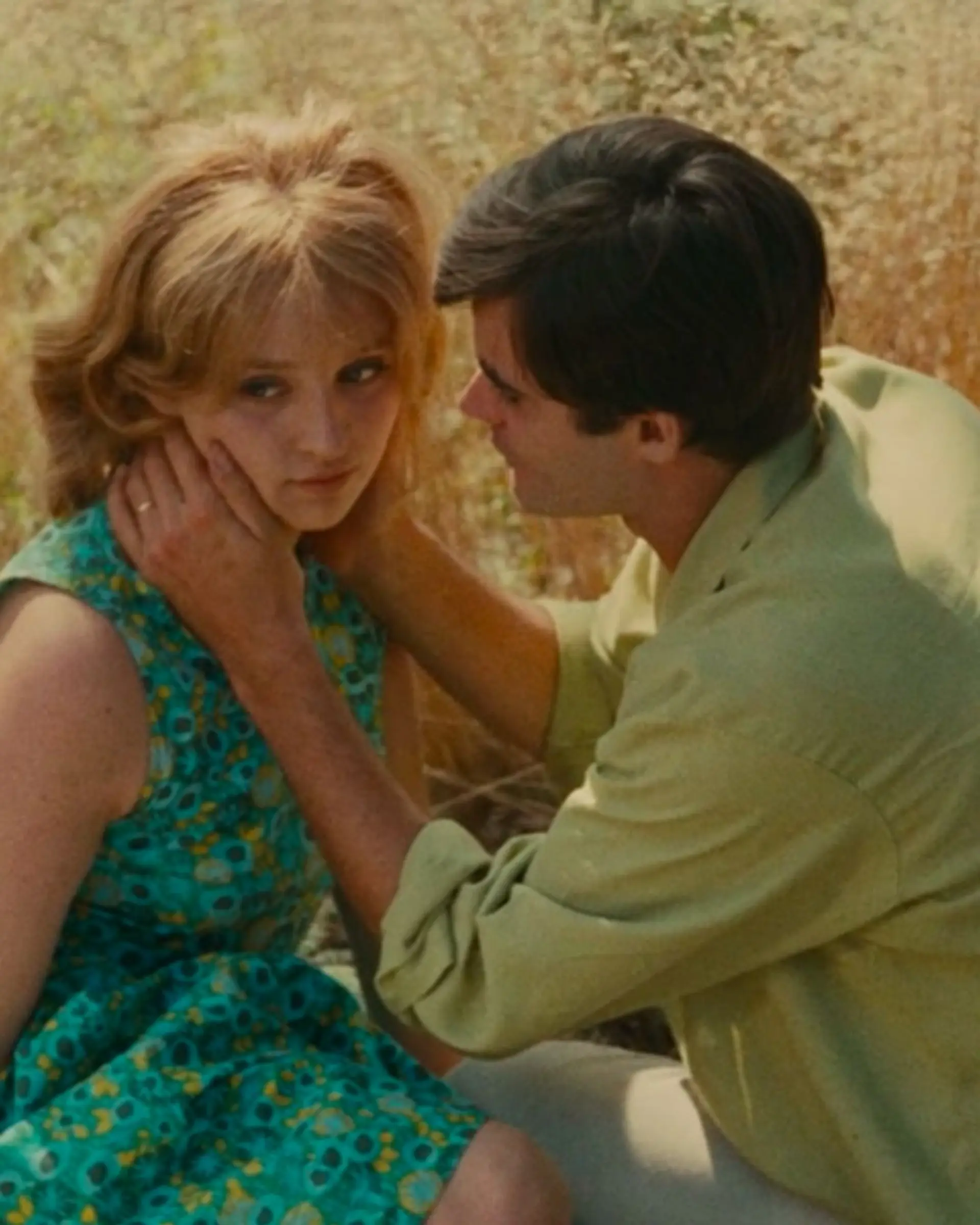
There is a particular quality to late summer light – golden and generous, but with a hint of nostalgia. The days are still hot, but shrinking, the evenings arriving a little earlier each week. We feel it before we can name it: the barely noticed ache of a season slipping away.
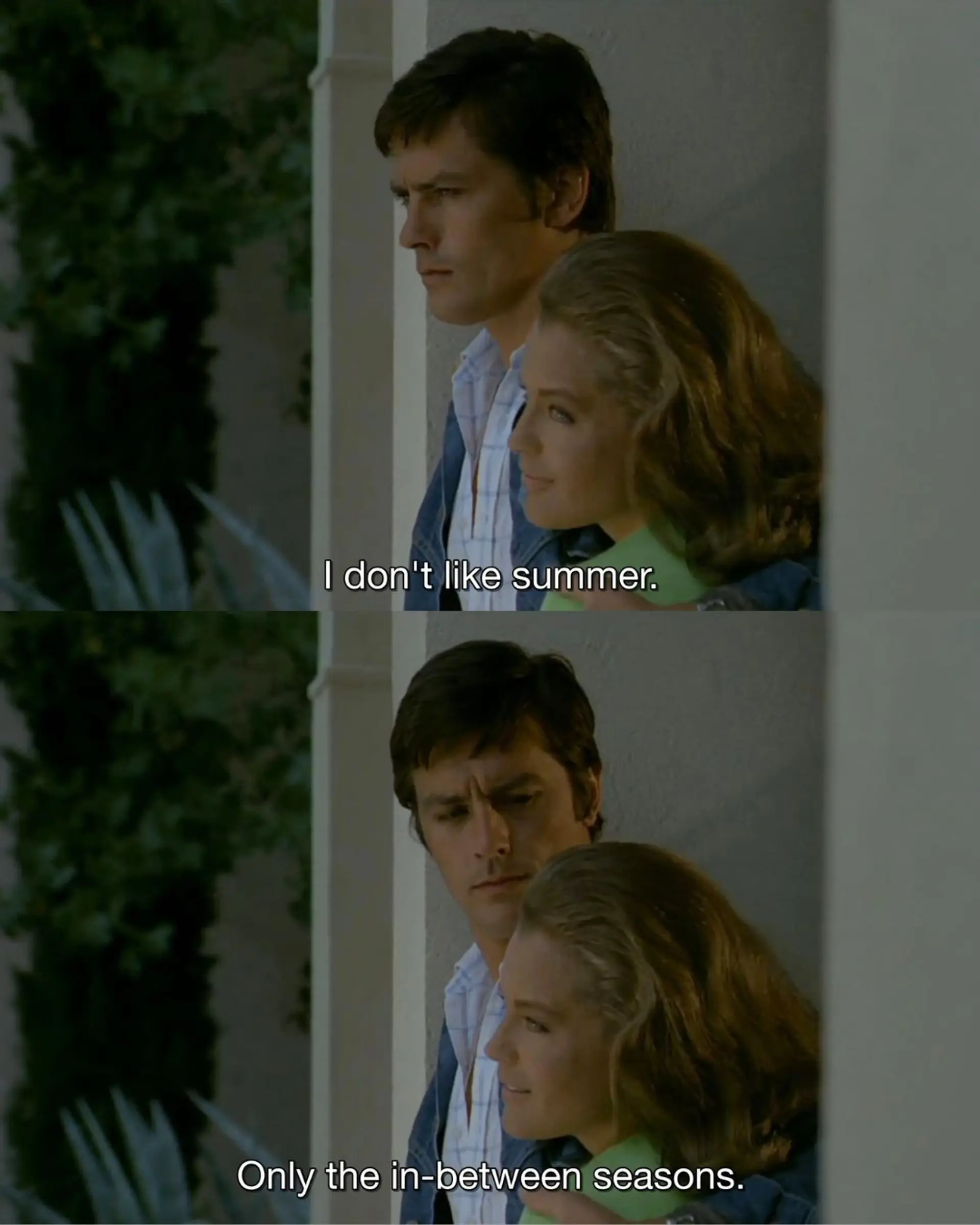
Romy Schneider and Alain Delon in La Piscine (1969)
Was the summer everything you dreamed? Or less? More than any other season, the thought of summer conjures up an ideal self – evenly tanned, relaxed and having fun – that seldom fits with everyday reality. The dream of one’s summer self sometimes shows up in another. In Swimming Pool, Charlotte Rampling’s writer, Sarah Morton, seeks a retreat in the South of France, only to encounter an uninvited guest who quickly sparks her insecurities with her youth, hedonism and sexuality.
At home, she fitted the new clothes on again and packed them in a case as she took them off... She danced in the new green outfit to wireless music. Dancing alone now, but by the same time next day she would be walking down a path to the sea, languid because of the heat, and she would stand and throw something in the water and know there was some stranger behind, shadowing her, smiling and when she turned they... She was happy and breathed deeply, deeply.
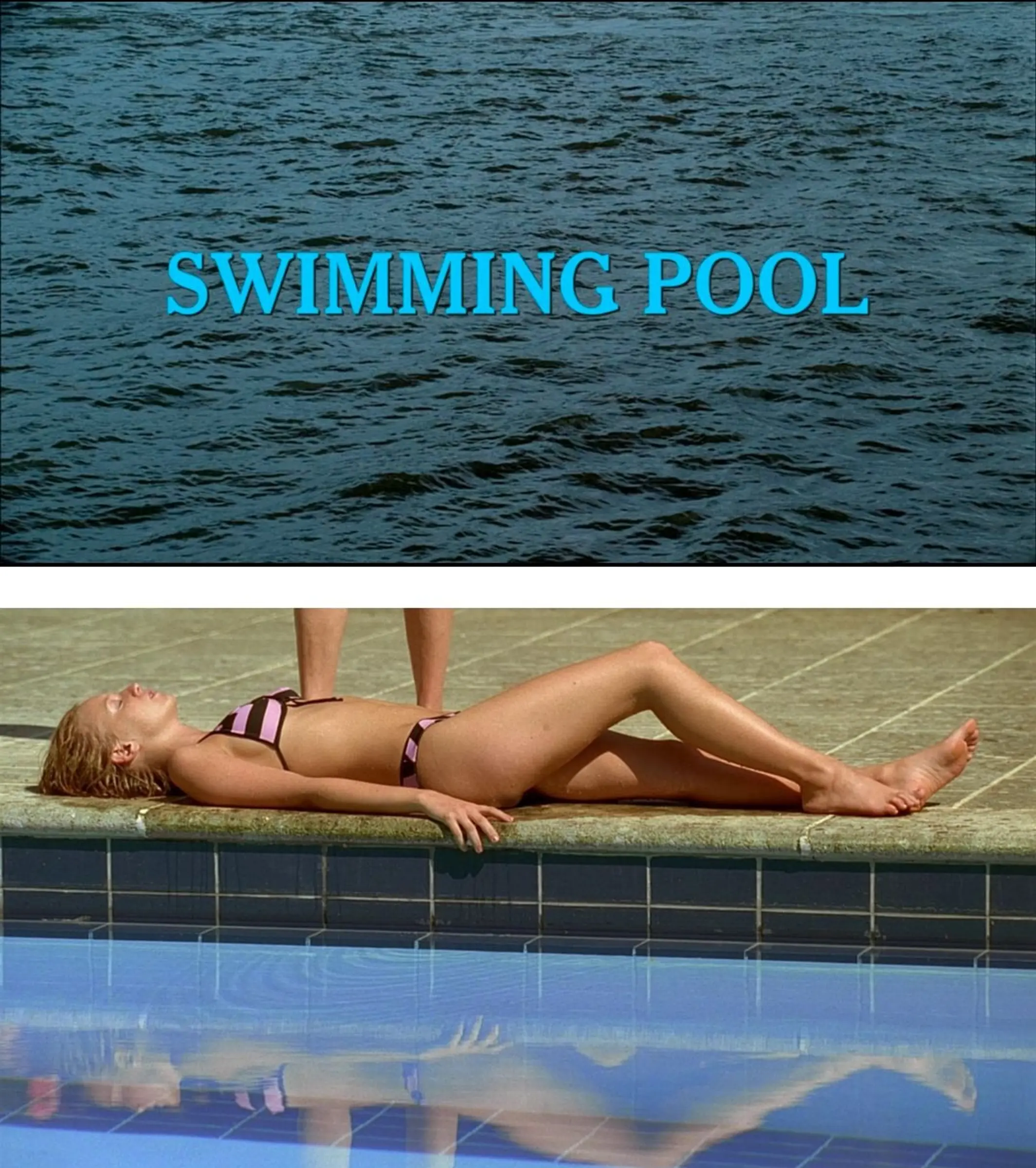
Ludivine Sagnier in Swimming Pool (2003)
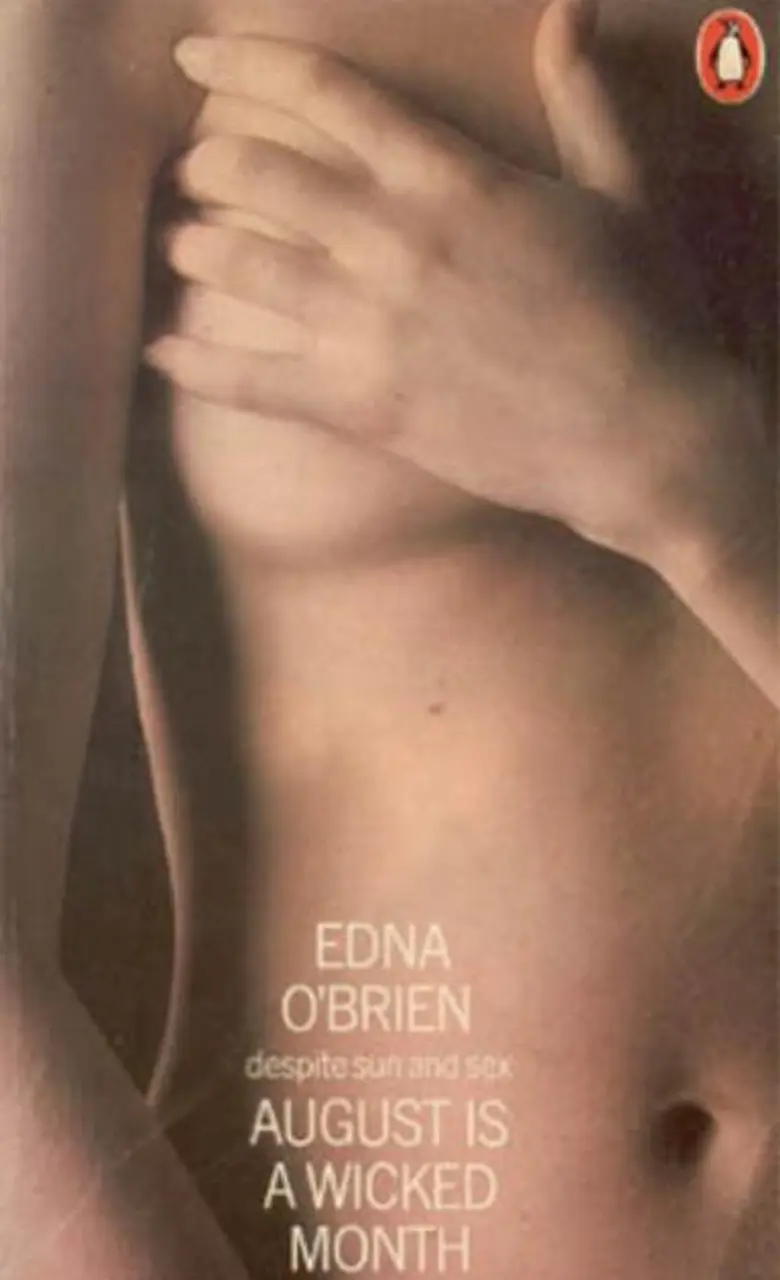
On her first day at the beach, though, her fantasy is punctured by the presence of a competing vision of summer beauty.
French New Wave filmmaker Agnès Varda was alive to this contrast of seasonal fantasy and reality. Her vividly beautiful 1965 film Le Bonheur was an attempt to pick apart the vision of a perfect summer to reveal a subtle domestic horror underneath. “I imagined a summer peach,” she said, “with its perfect colours, and inside there is a worm. And impressionist paintings, which emanate such melancholy, though they depict scenes of everyday happiness… in a world full of prefabricated images of happiness, it’s interesting to take apart the cliches.”
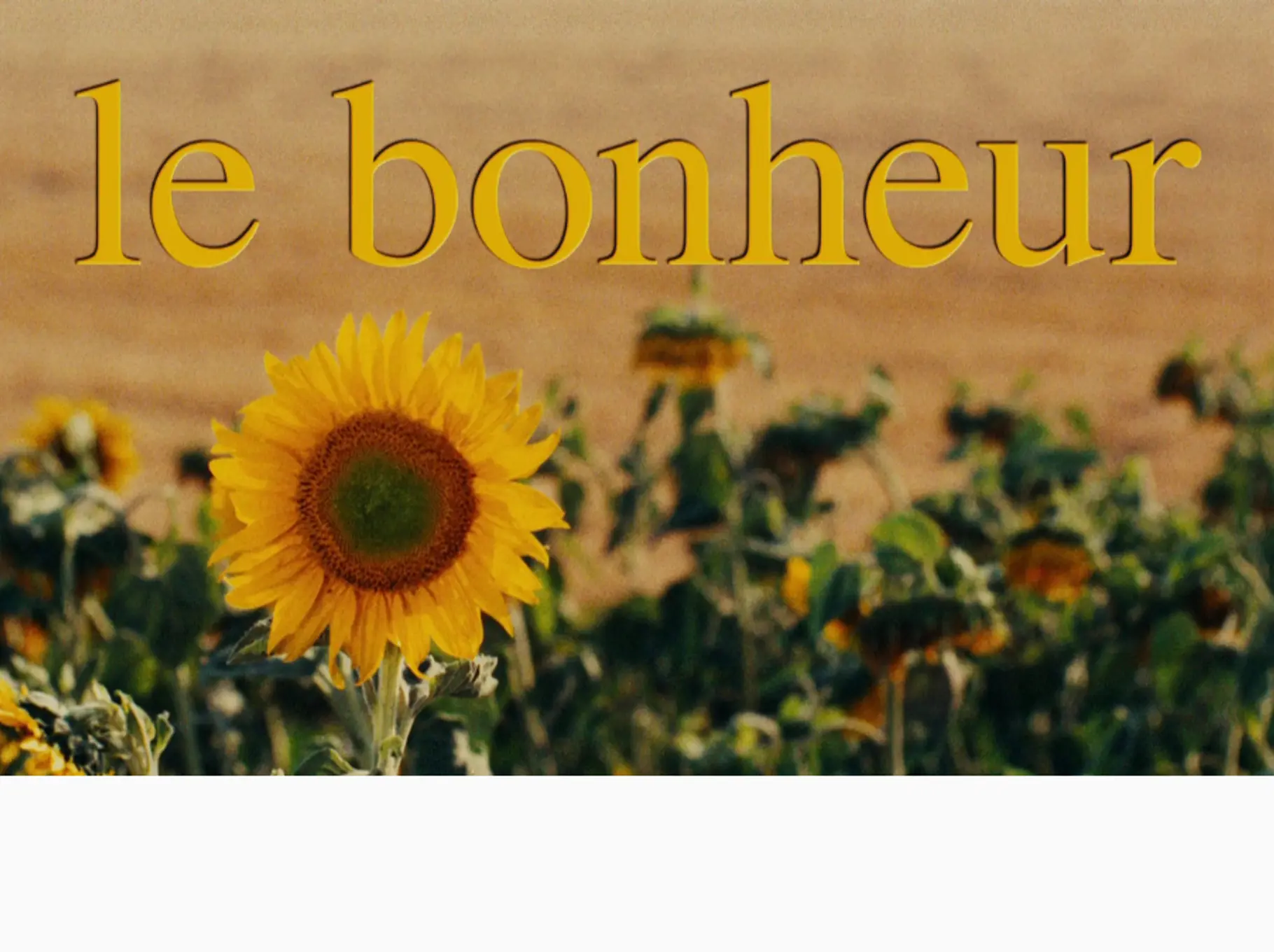
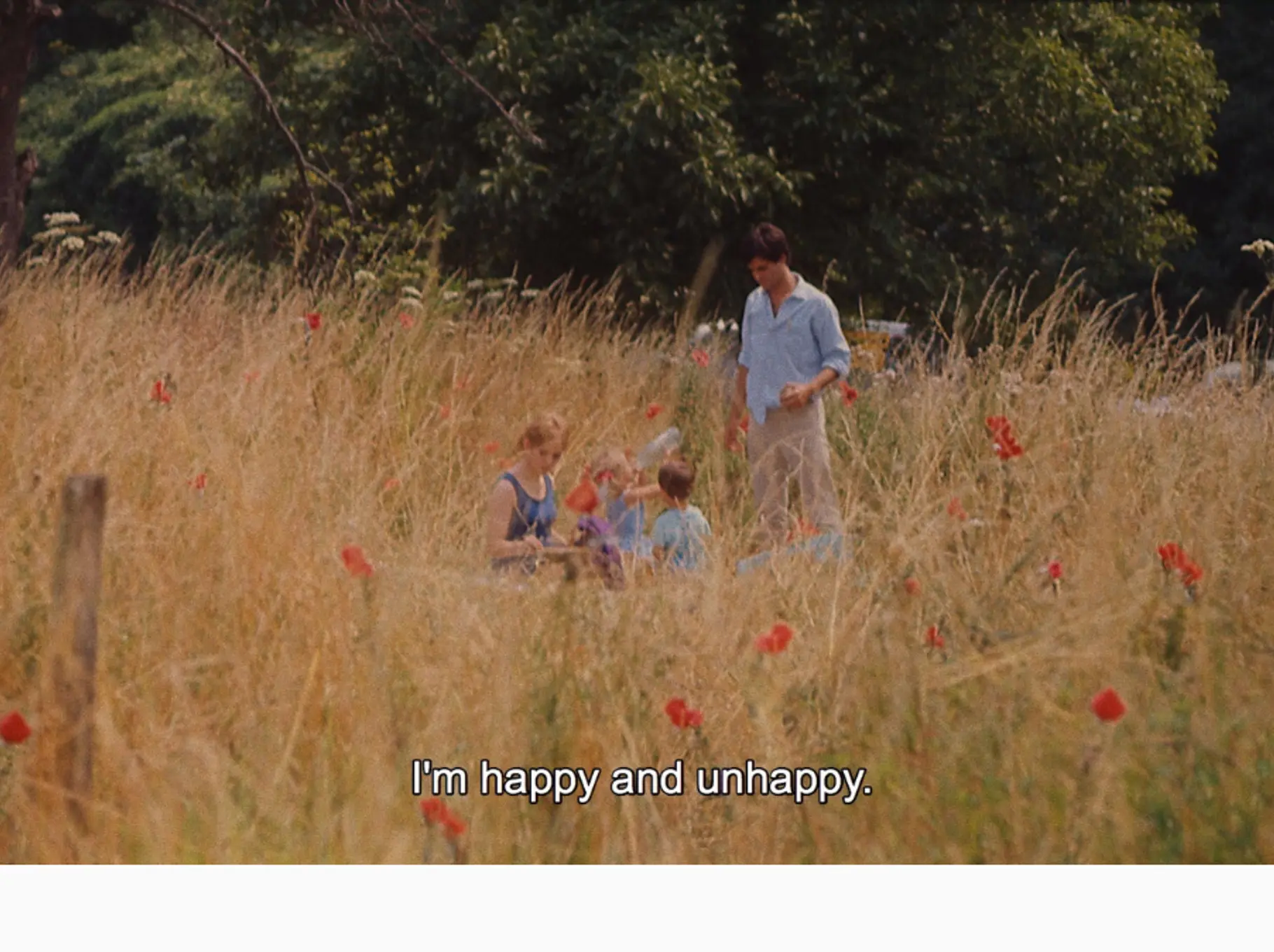
Le Bonheur (1965)
Summer’s freedom is also its danger. By the final weeks of August, the consequences of leaving everyday routines behind begin to reveal themselves. Whether it's too many late nights, falling behind on work or a more dramatic entanglement.
Cinema makes gleeful use of the pleasures and dangers of summer holiday leisure, especially among unsupervised youths. Coming-of-age films invite young women into a breathtaking series of ‘firsts’ before culminating in acts of tragedy and violence that change the heroine forever. Joyce Chopra’s Smooth Talk, Catherine Breillat’s À ma sœur, Rebecca Zlotowski’s An Easy Girl and Paweł Pawlikowski’s My Summer of Love all explore the theme of innocent but intense desire that curdles by September.
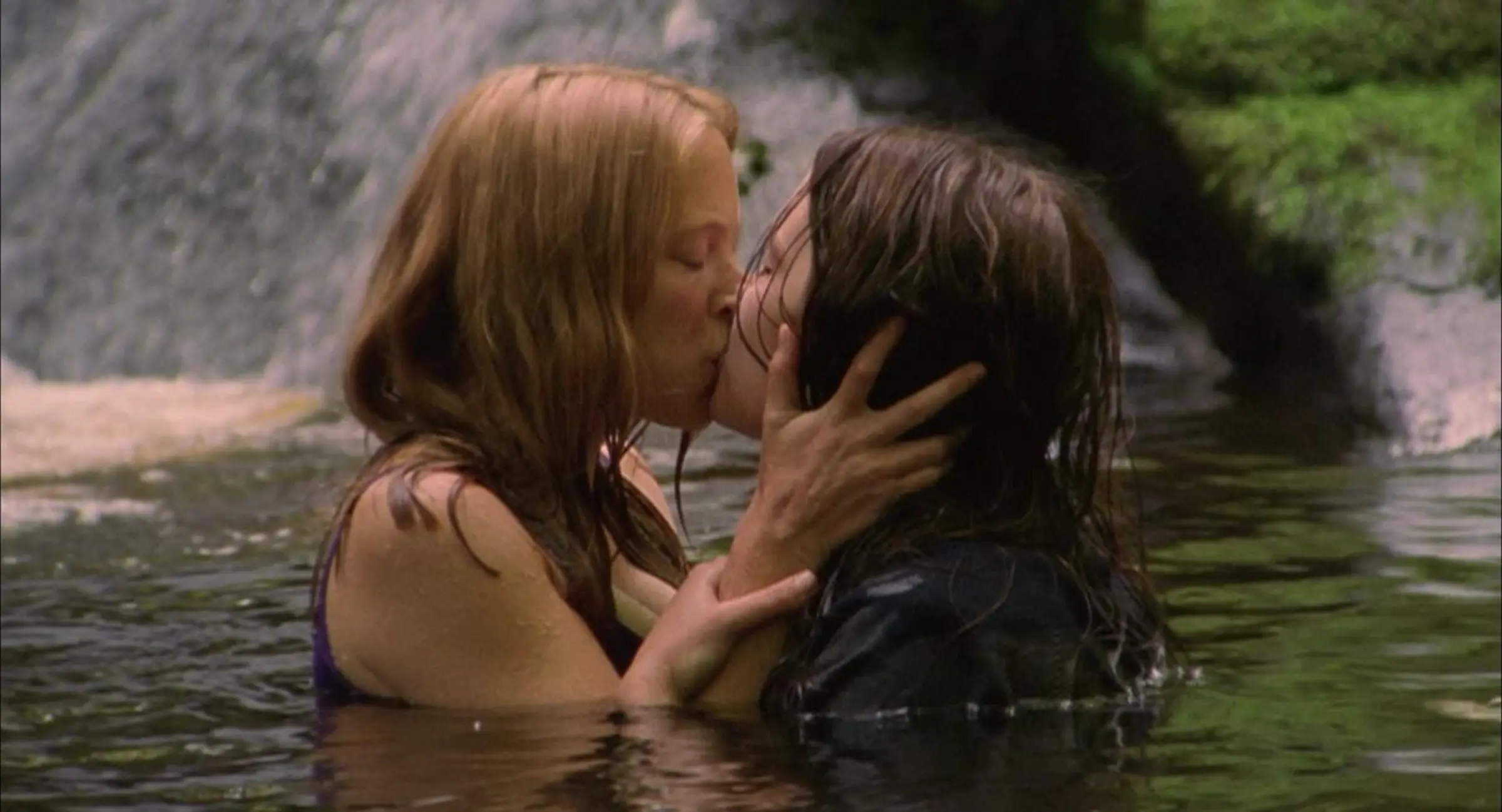
My Summer of Love (2004)
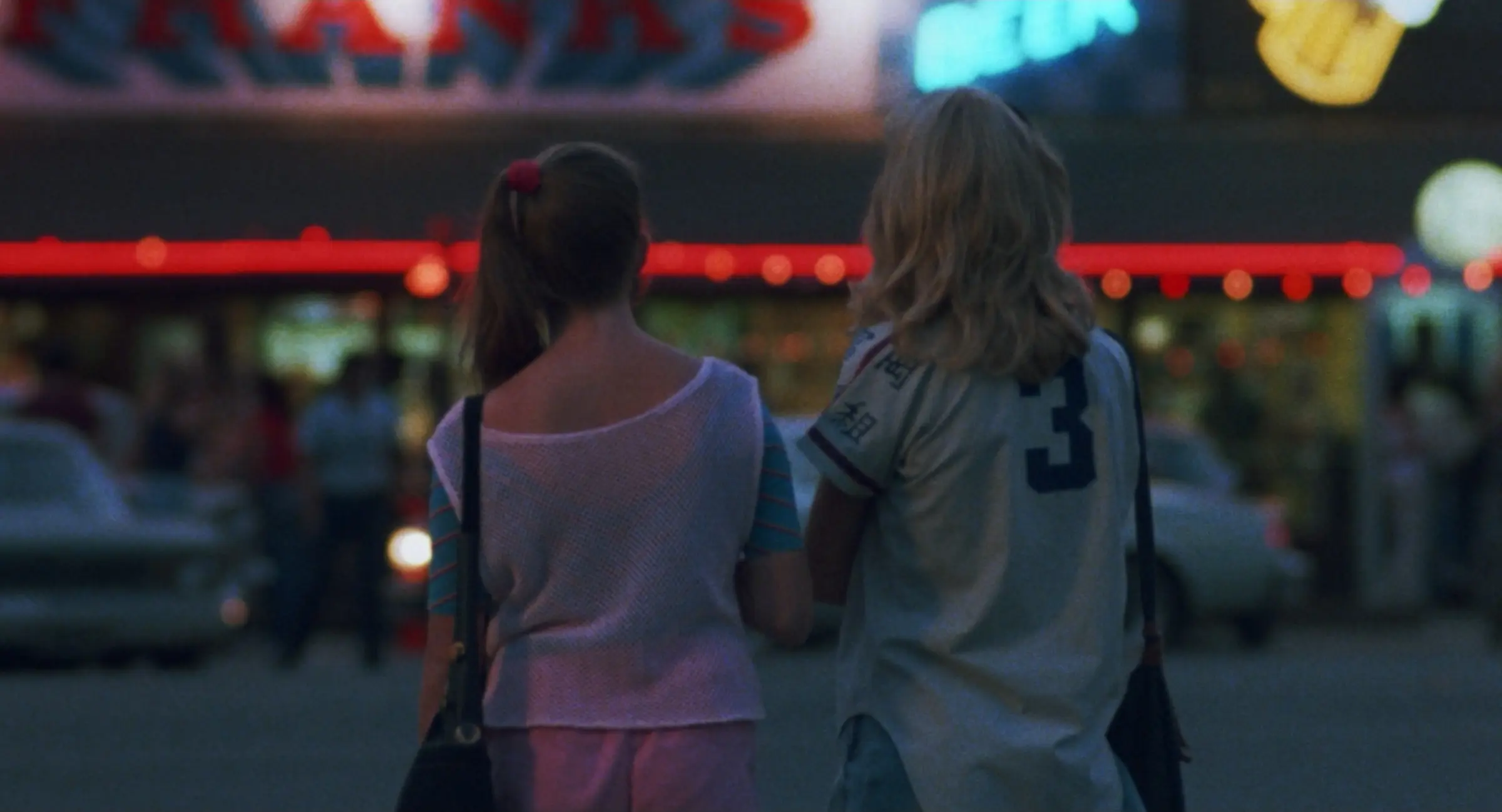
Smooth Talk (1985)
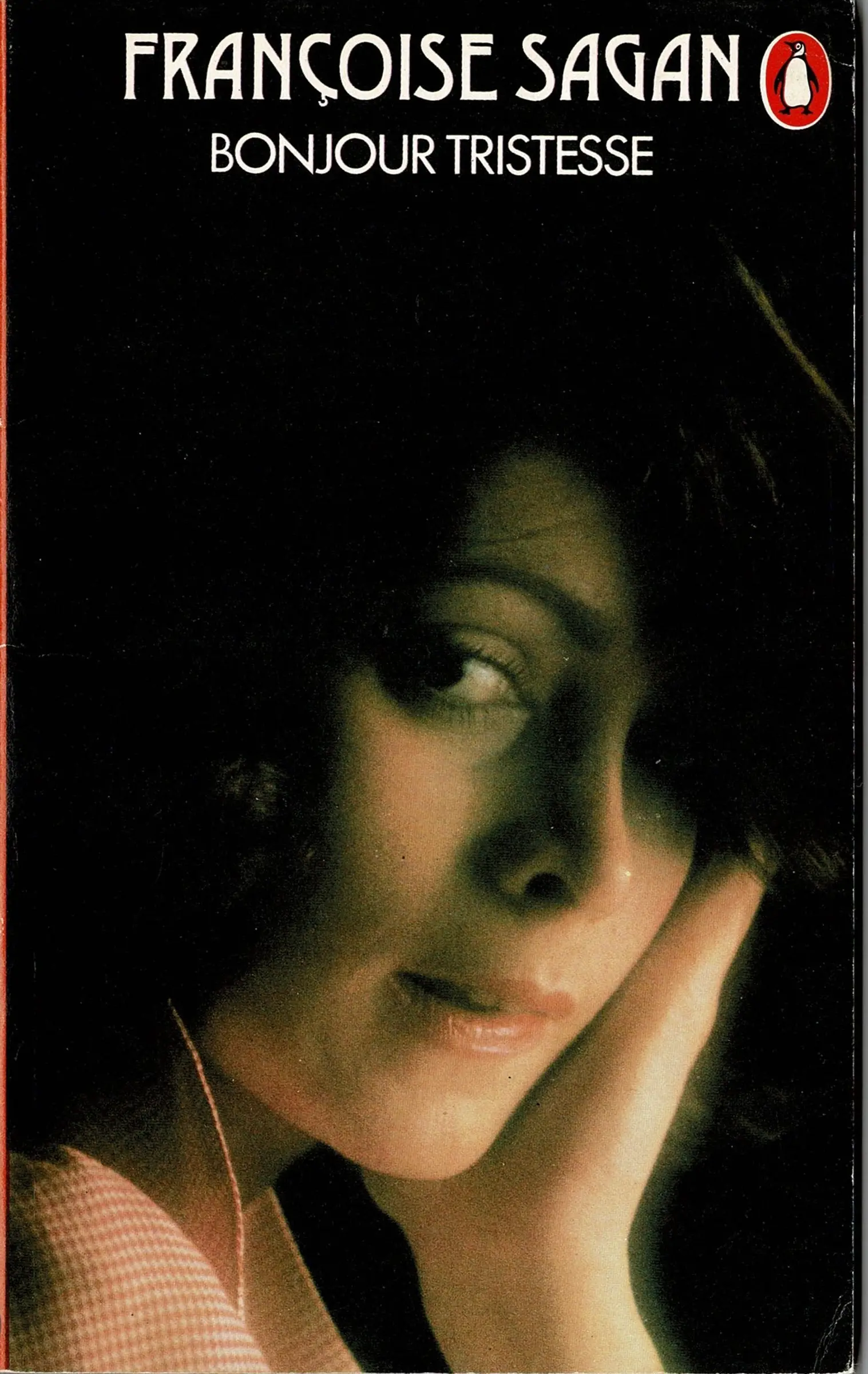
Françoise Sagan’s debut novel Bonjour Tristesse, itself written when the author was only seventeen in the summer of 1953, sums up this familiar story of loss and learning in its opening paragraphs.
“I have done nothing all summer but wait for myself to be myself again,” wrote Georgia O’Keefe in a letter to Russell Vernon Hunter. Among the summer lovers lurks a subculture of seasonal affective disorder sufferers, those who are simply waiting it out for the cool, scholastic relief of autumn.
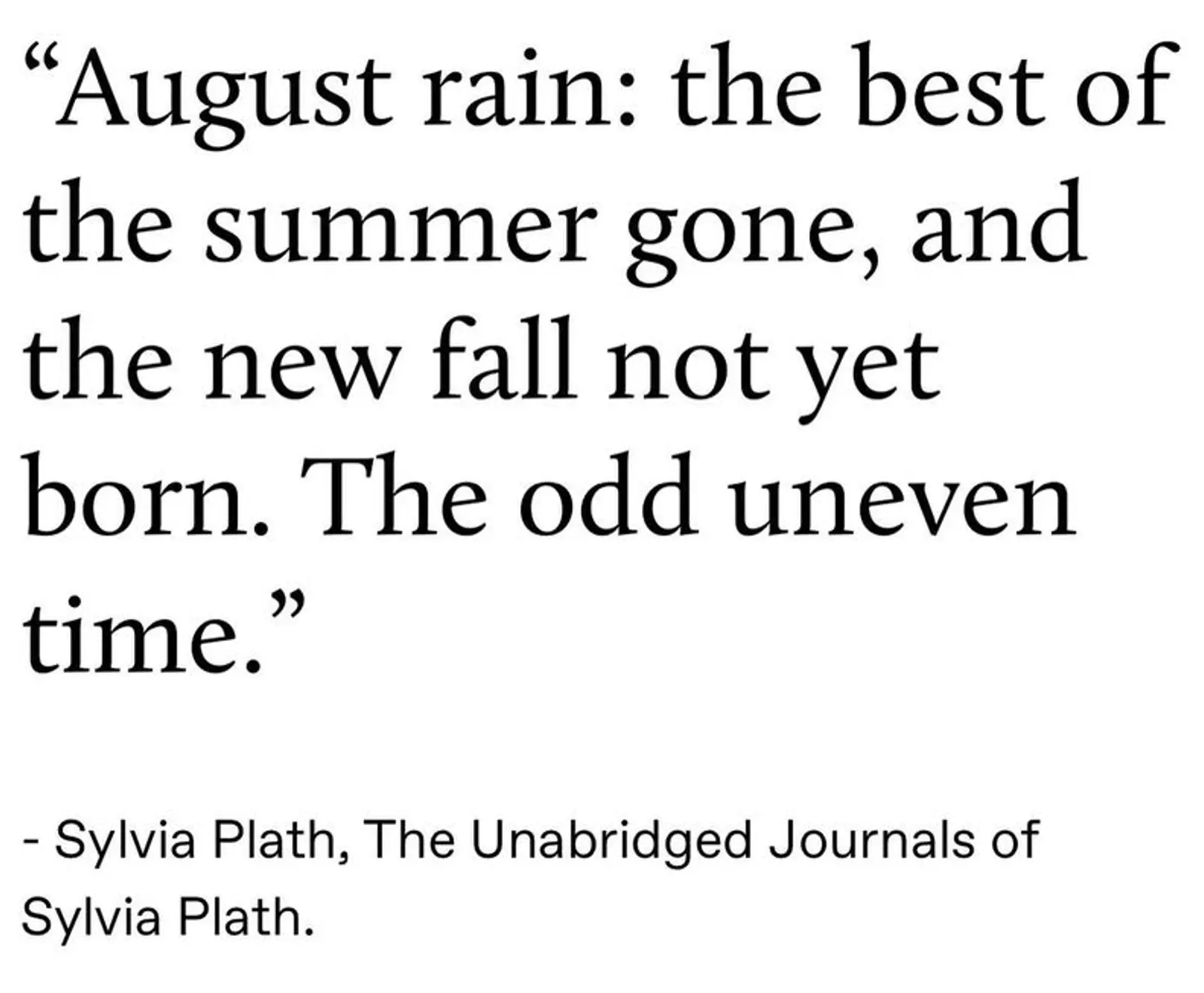
A simple search for “summer quotes” or “August quotes” on tumblr brings up a fair share of this season-specific misery. As one user, manishaaaaa, wrote in 2023:
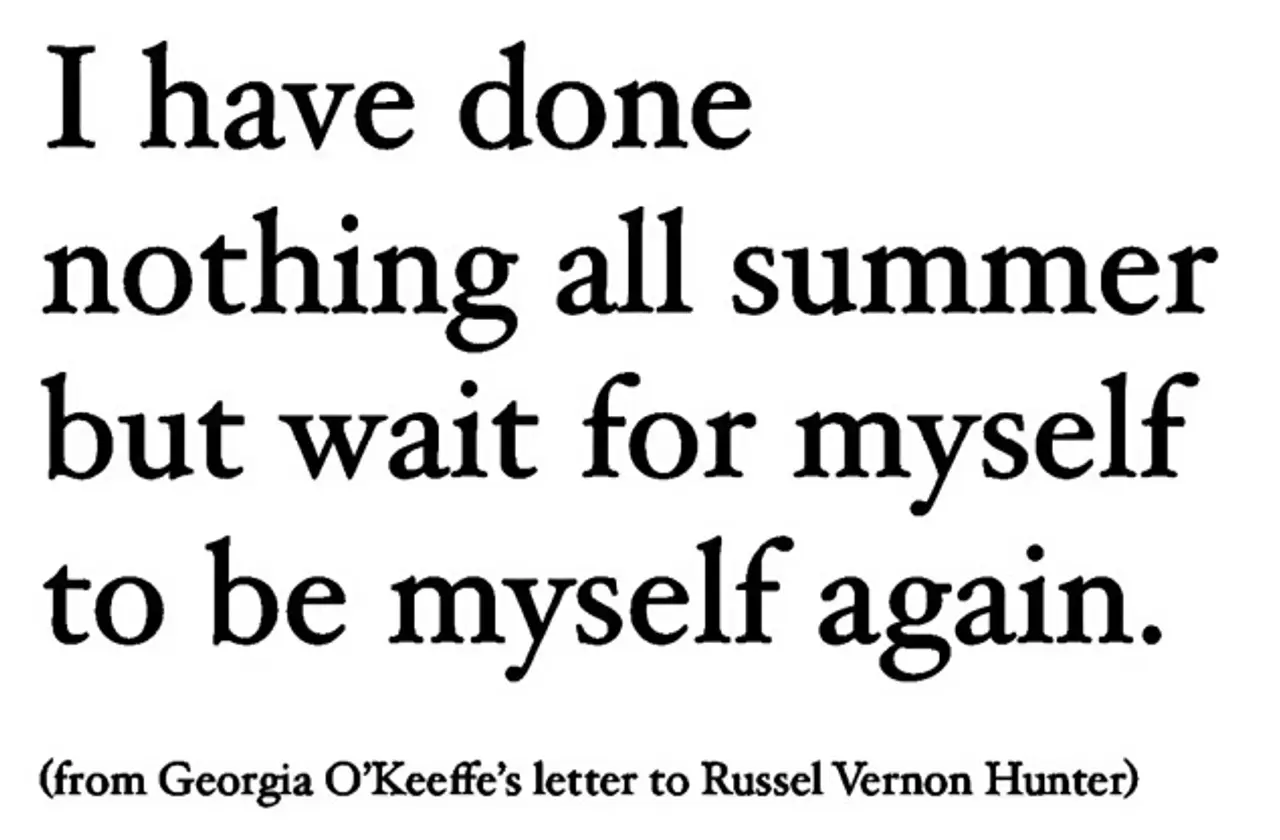
Lana Del Rey forever crystallised this emotion in her 2012 song, ‘Summertime Sadness’. In the lyrics, Del Rey fantasises about the loss of her lover, luxuriating in the ache of heartbreak even while it’s yet to happen, her enjoyment more intense because it’s temporary.
It's the essence of summer distilled into a pop song – beautiful because it won’t last. And isn’t sadness simply chicer?
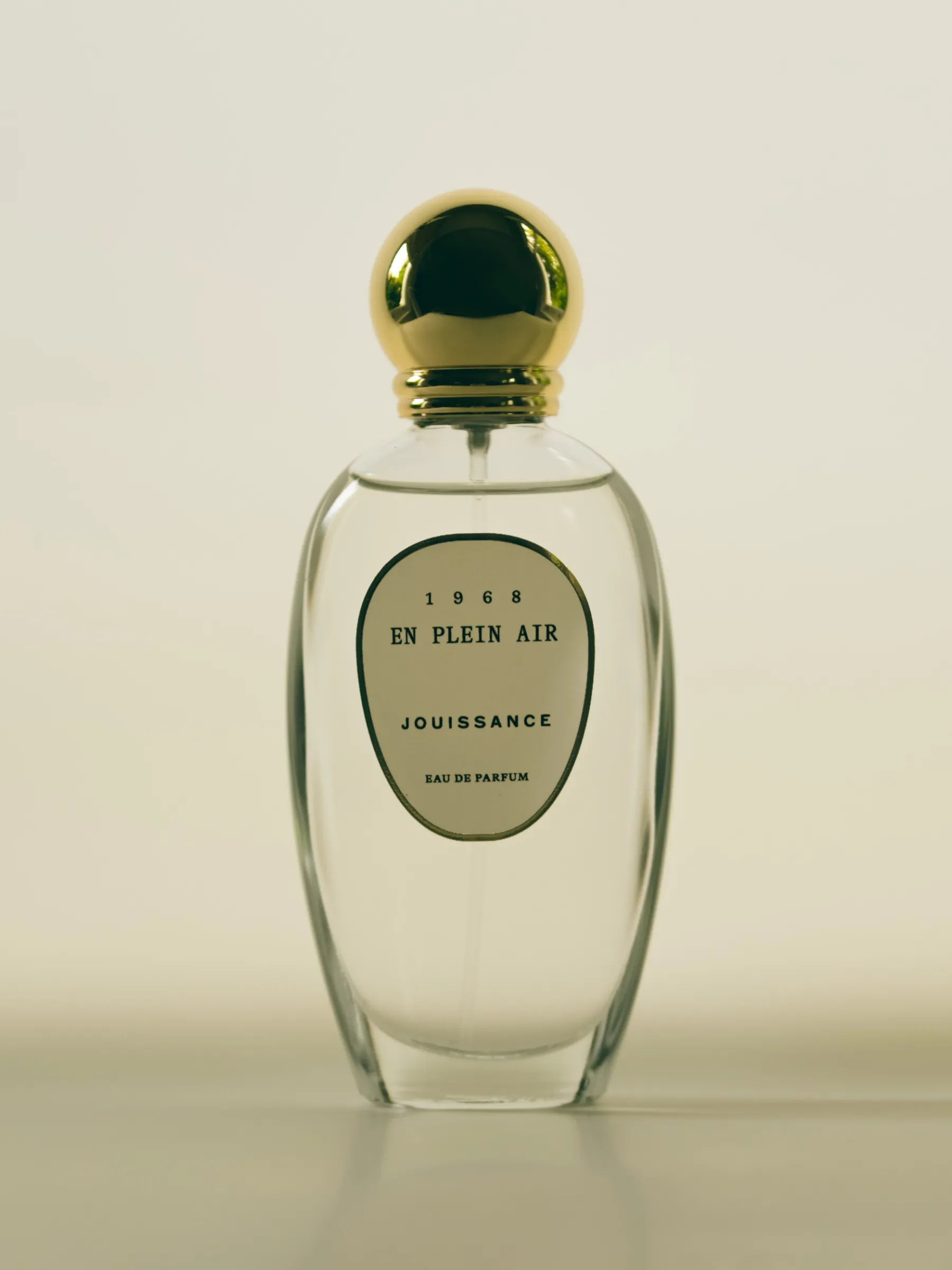
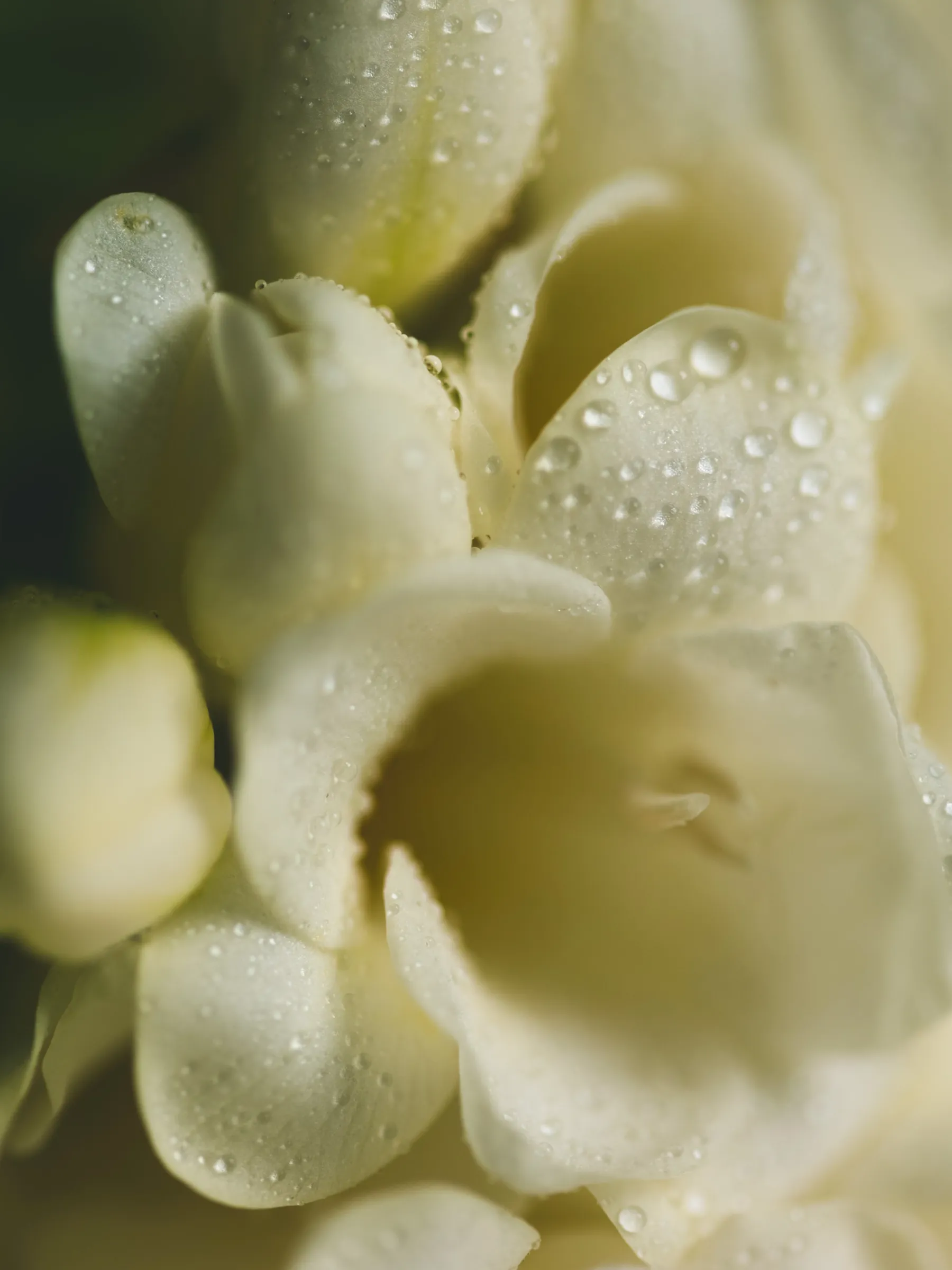
"It was while writing a Diary that I discovered how to capture living moments," Anaïs Nin wrote. "In the Diary I only wrote of what interested me genuinely, what I felt most strongly at the moment, and I found this fervour, this enthusiasm produced a vividness which often withered in the formal work. Improvisation, free association, obedience to mood, impulse, brought forth countless images, portraits, descriptions, impressionistic sketches, symphonic experiments, from which I could dip at any time for material."
In tribute to Anaïs Nin, one of our foremost inspirations for Jouissance, our DIARY captures our most treasured moments, our obsessions and preoccupations, our research and the lessons we learn, and the work of our cherished friends and collaborators.