Free shipping on all international orders over £100
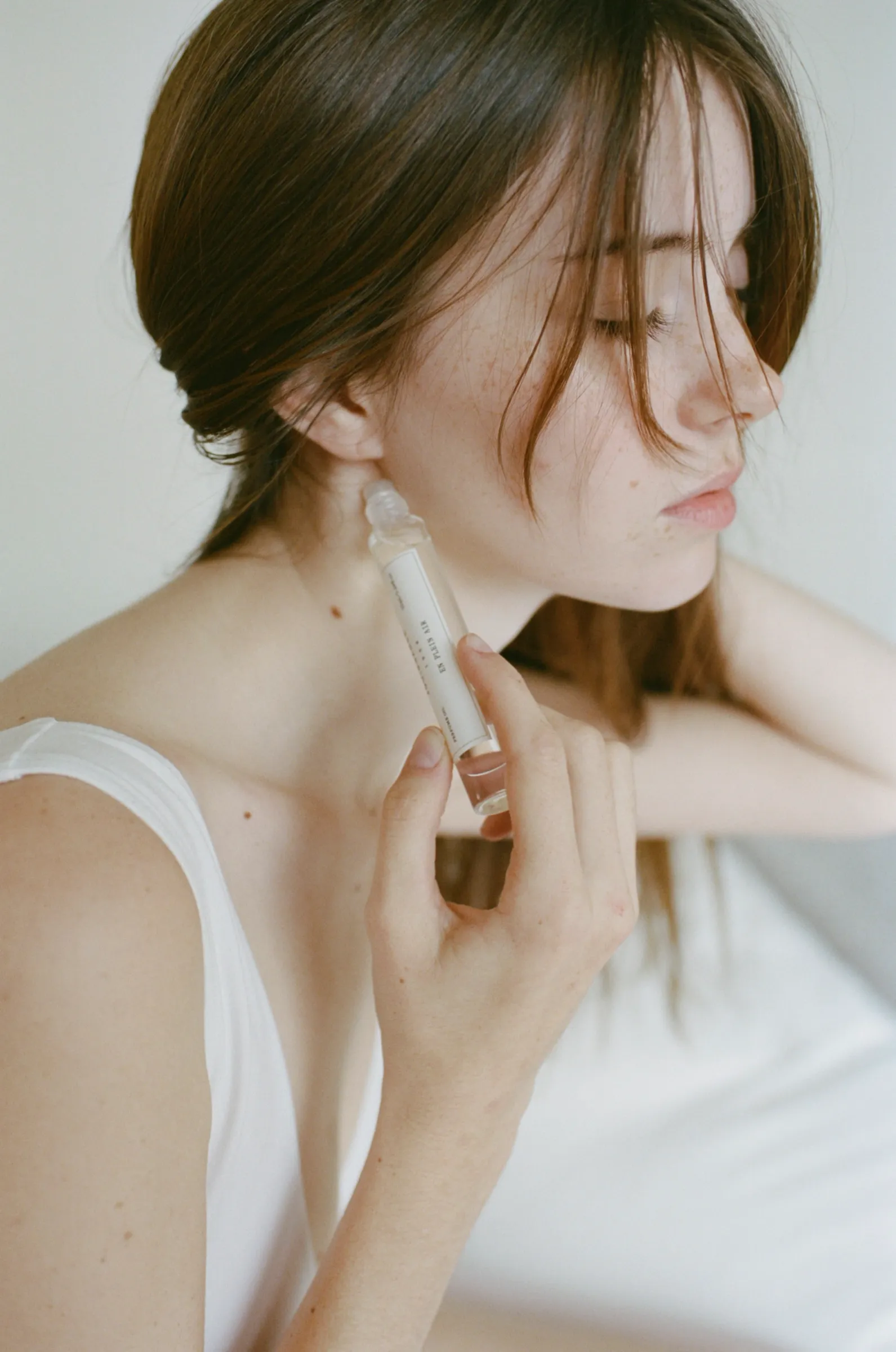
Elizabeth Taylor once said, “the beauty of fragrance is that it speaks to your heart, and hopefully someone else’s”. It has the power to shape someone’s reading of you before you’ve uttered a single word. Inhaling the scent of your lover's skin can be a sacred experience, but fragrance’s magic begins and ends with you.
Are you a born seducer? A secret iconoclast? Or perhaps you’re more of a sentimentalist? Perfume placement is not unlike reading someone’s handwritten notes in the margins of their favourite book… It tells a story within a story. Whether traced along your collarbone, under earlobes or down the curve of your neck, think of our scent psychology (as featured in The Toe Rag’s eighth issue, currently available to purchase in our bookshop) as your guide to help you discover your sweet spot this springtime.
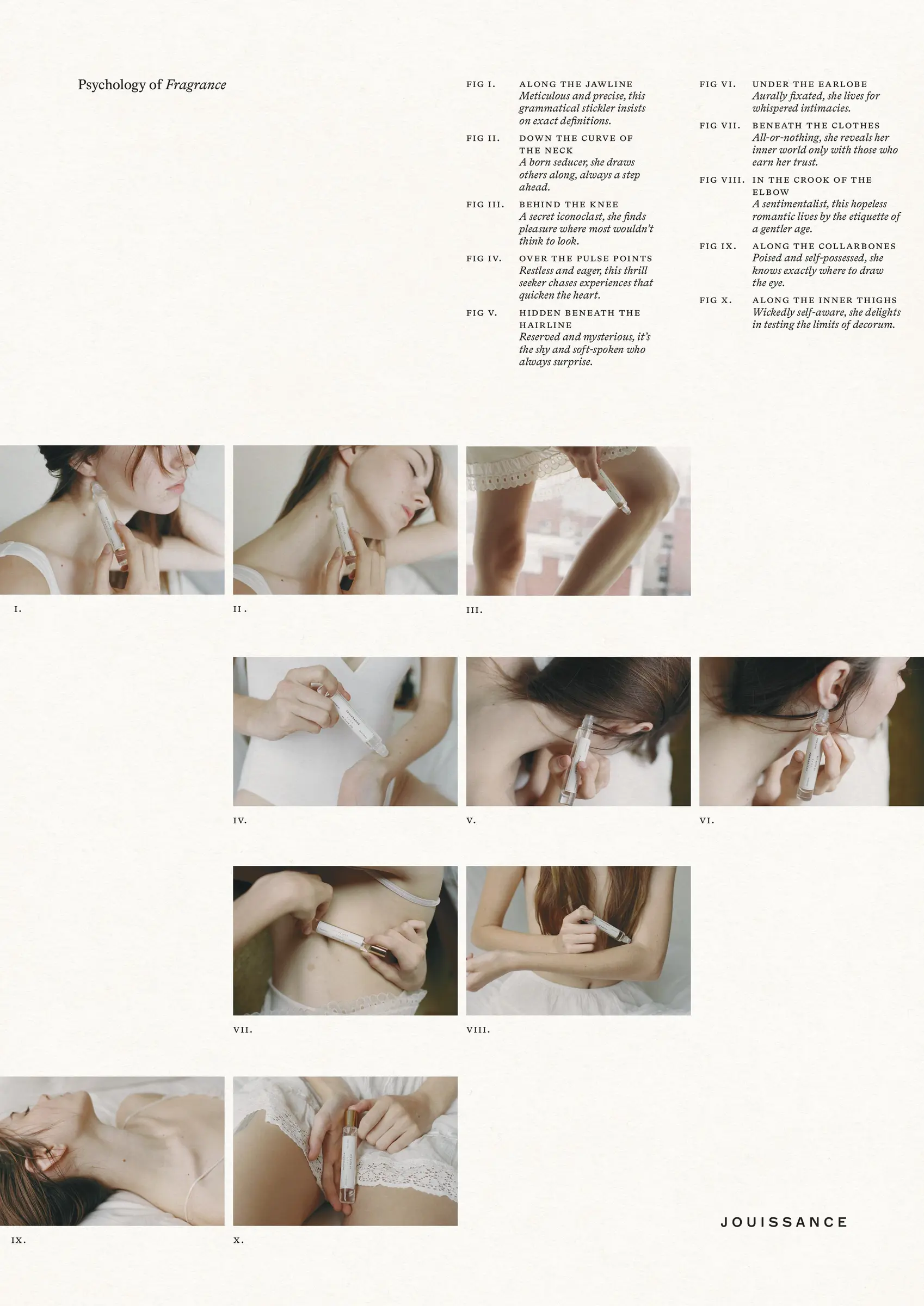
The Psychology of Fragrance by JOUISSANCE, as featured in The Toe Rag’s eighth issue
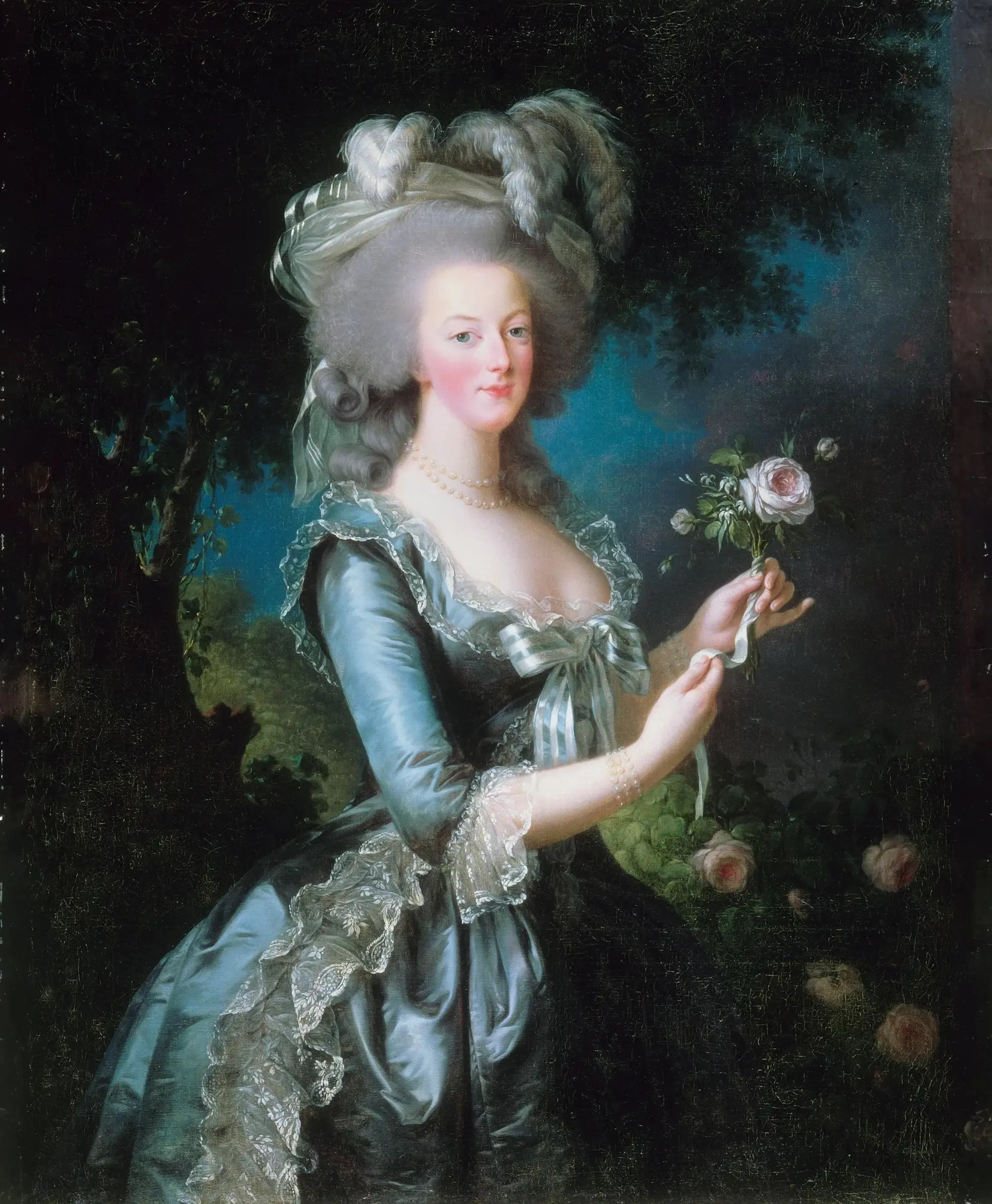
Marie Antoinette with a Rose, by Élisabeth Vigée Le Brun (1783)
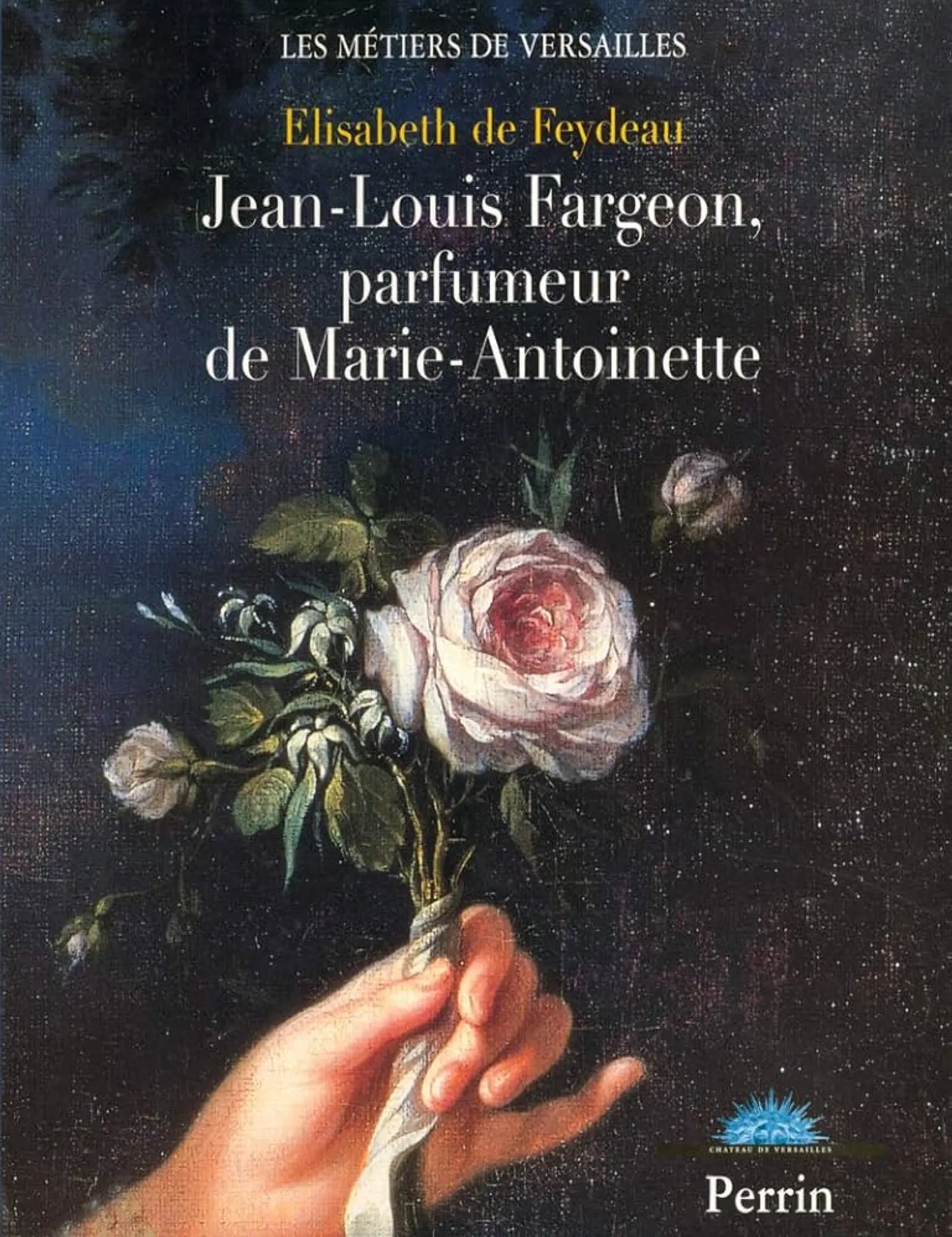
Jean-Louis Fargeon, parfumeur de Marie-Antoinette, by Elisabeth de Feydea (2005)
Similarly, writer Jean Rhys described seductive, very often envy-inducing, scents that could emit from the most surprising of places, not just on the skin. For instance, in one particularly sensorial scene in her novel Quartet (originally published under the title Postures in 1928), the young Marya Zelli finds herself in a state of deep yearning after breathing in a beautiful stranger’s perfumed hair at a bar in Paris. Decades later in the 1960s, Rhys would find herself writing another character whose sun-drenched memories are awakened by the powerful traces of scent left on another woman’s dress.
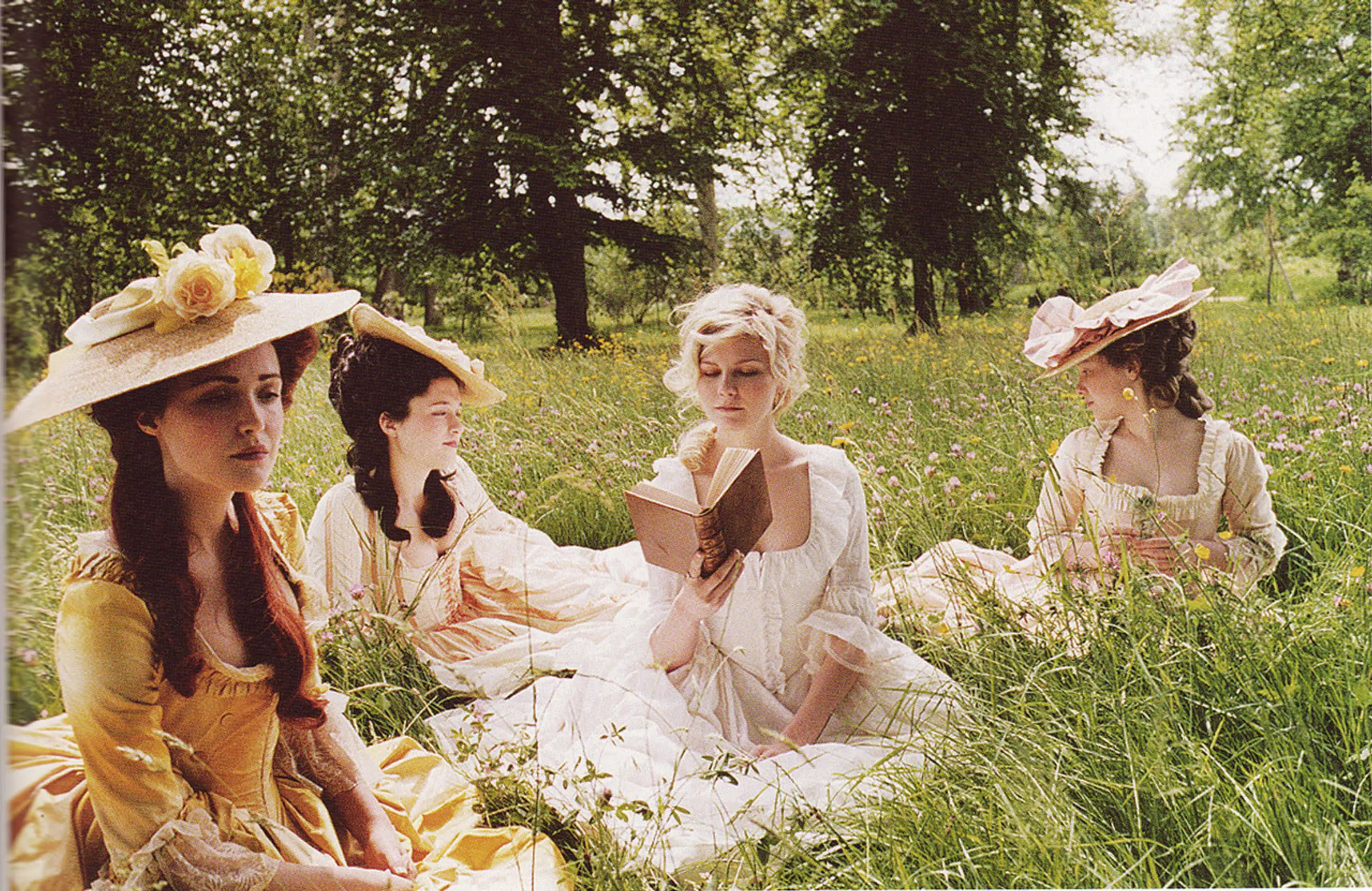
Marie Antoinette by Sofia Coppola film still, (2006)
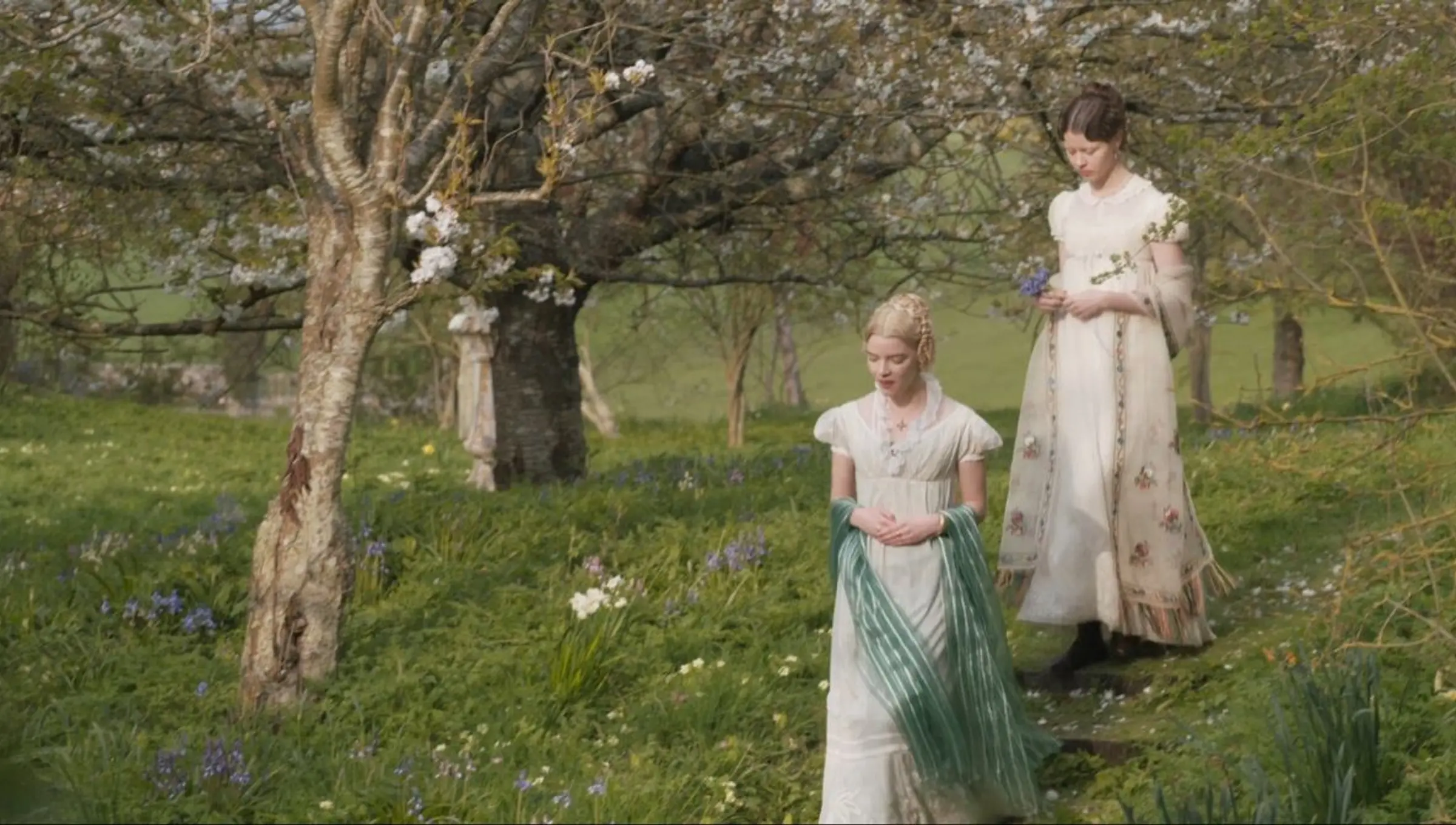
Emma by Autumn de Wilde film still, (2020)
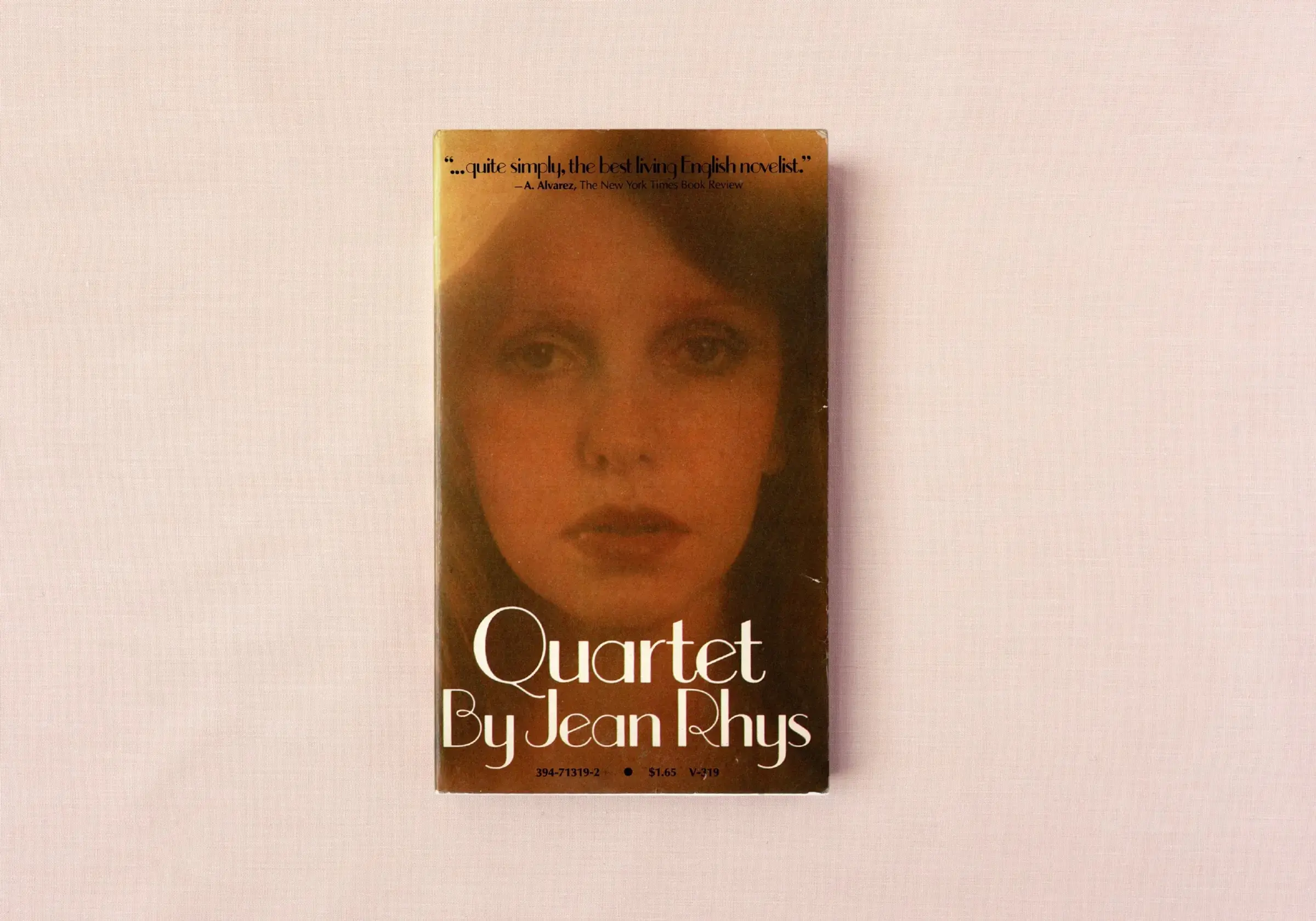
Quartet by Jean Rhys, published in 1928
There are two types of people in this world: those who cherish and wear their signature scent for decades and those who simply cannot commit to just one, in the same vein as French actress Isabelle Huppert, who prefers adorning herself in “something a bit stronger” in the evening. “I’m very unfaithful, you know,” Huppert shared in a recent interview, “when it comes to perfume.”
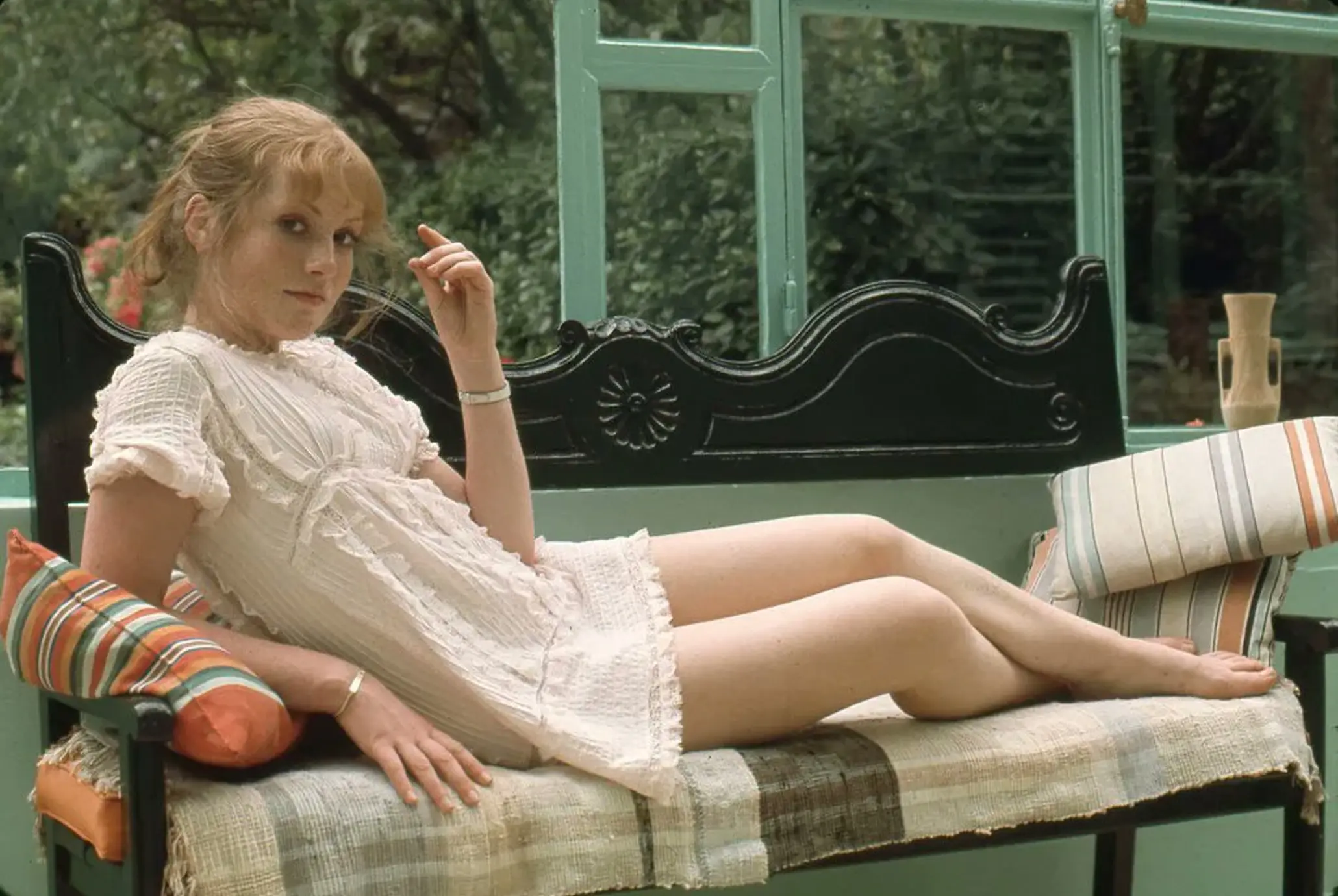
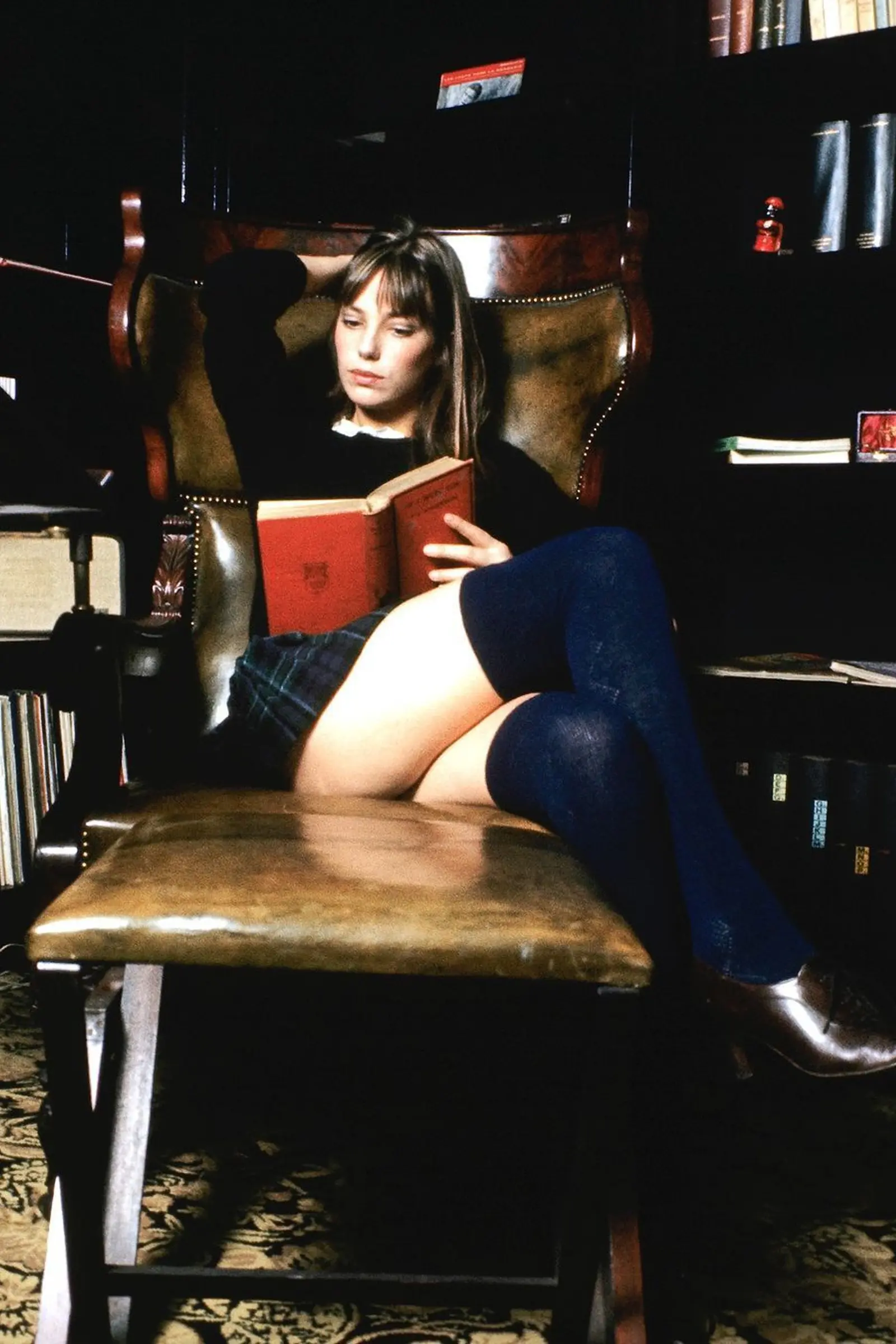
Isabelle Huppert in the 1970s
Some might prefer a dedicated morning, afternoon or evening scent ritual, the time of day signalling different things depending on the wearer. Perhaps in those first solitary hours of the day, like Belle de Jour actress Catherine Deneuve, you’re seeking a form of armour, a potion that acts as a protection.
The Hour of the Star author Clarice Lispector took great pleasure in washing off all the remnants of the day, before spritzing herself in a scent (the details of which she kept firmly private) to present herself to the public once more, this time at night. In a 1972 column for Brazilian newspaper Jornal do Brasil – in which she documented her musings on writing, art, motherhood and reflections of everyday life – Lispector wrote: “I’ll take a shower before going out and put on a perfume that is my secret. I’ll say just one thing about it: it is rustic and a bit harsh, with hidden sweetness.”
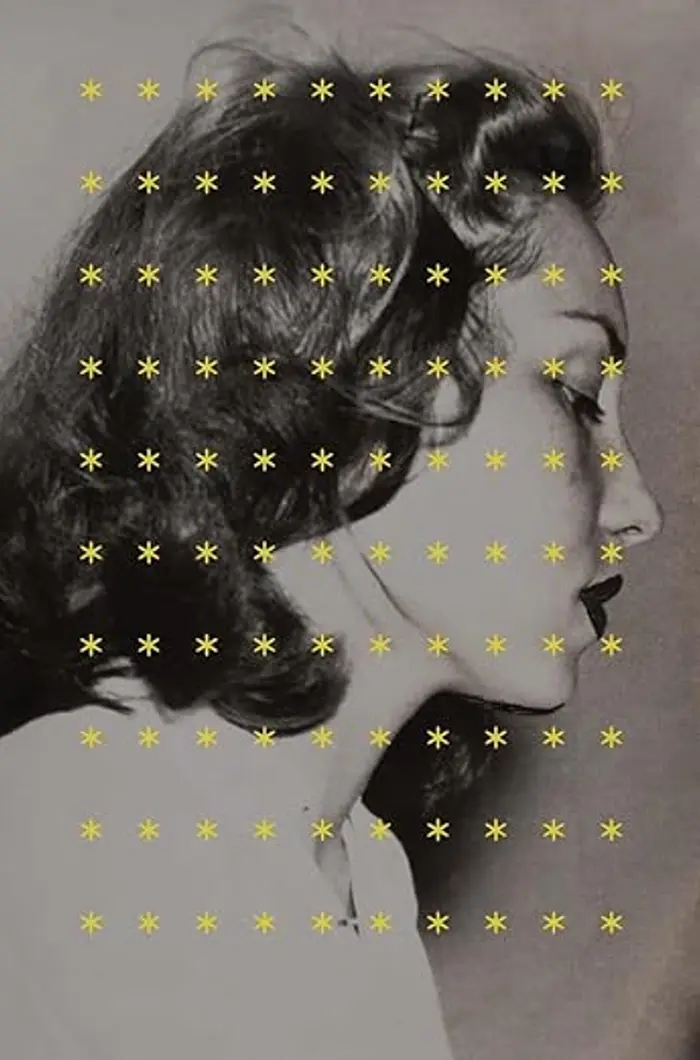
The Hour of the Star by Clarice Lispector, (originally published in 1977)
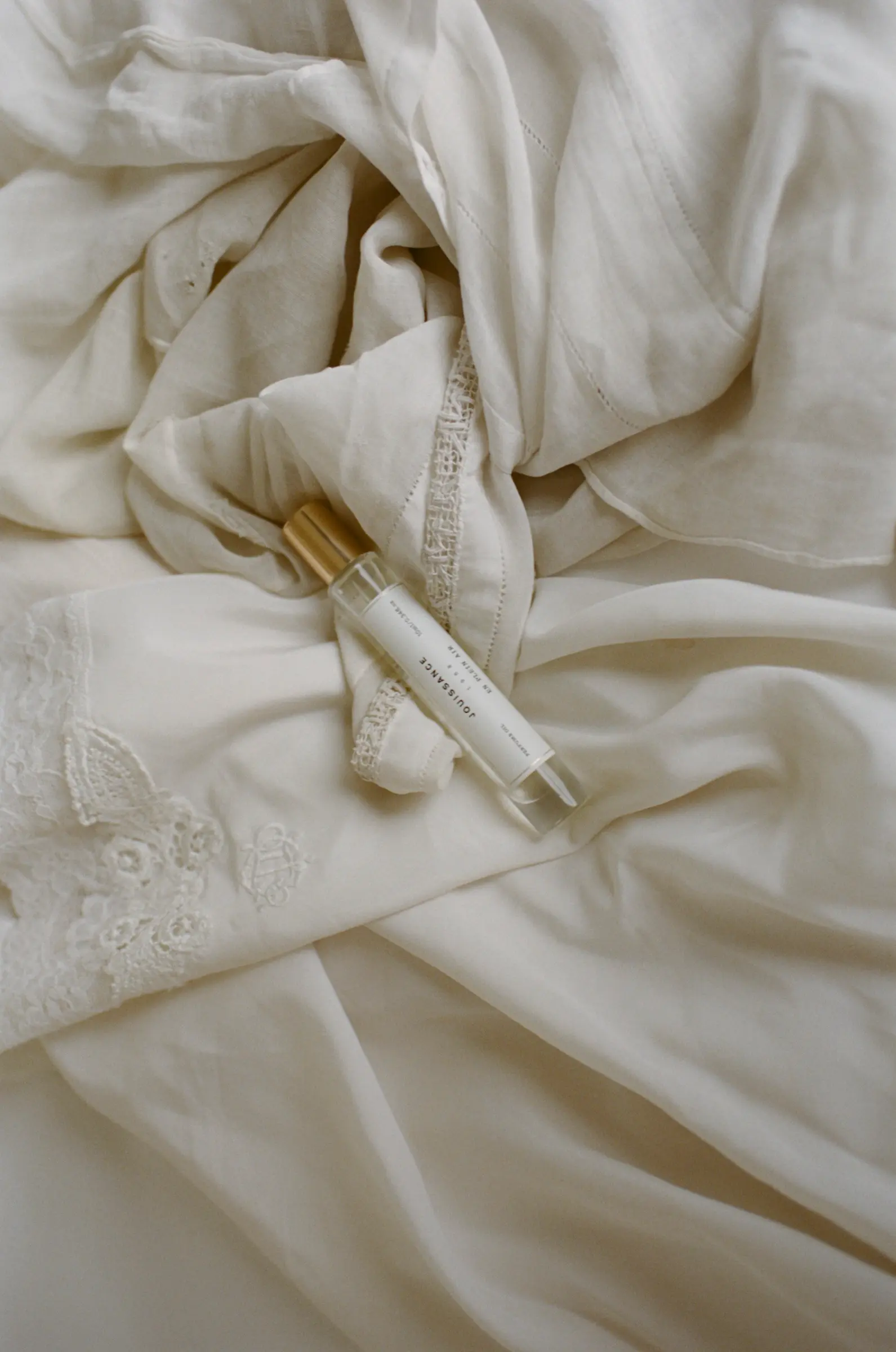
The Psychology of Fragrance by JOUISSANCE, image by Olivia Parker
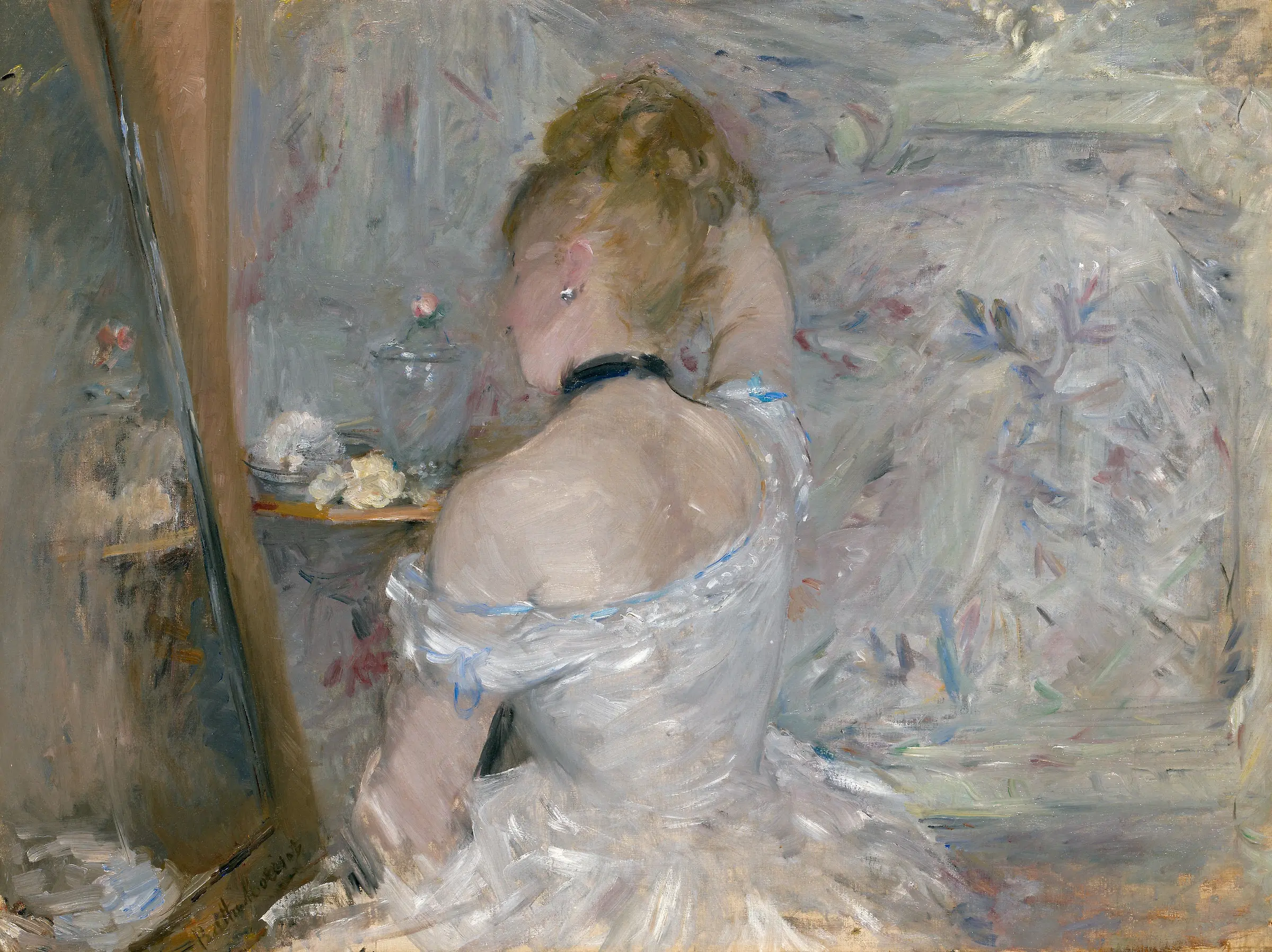
Woman at Her Toilette, by Berthe Morisot (1875-1880)
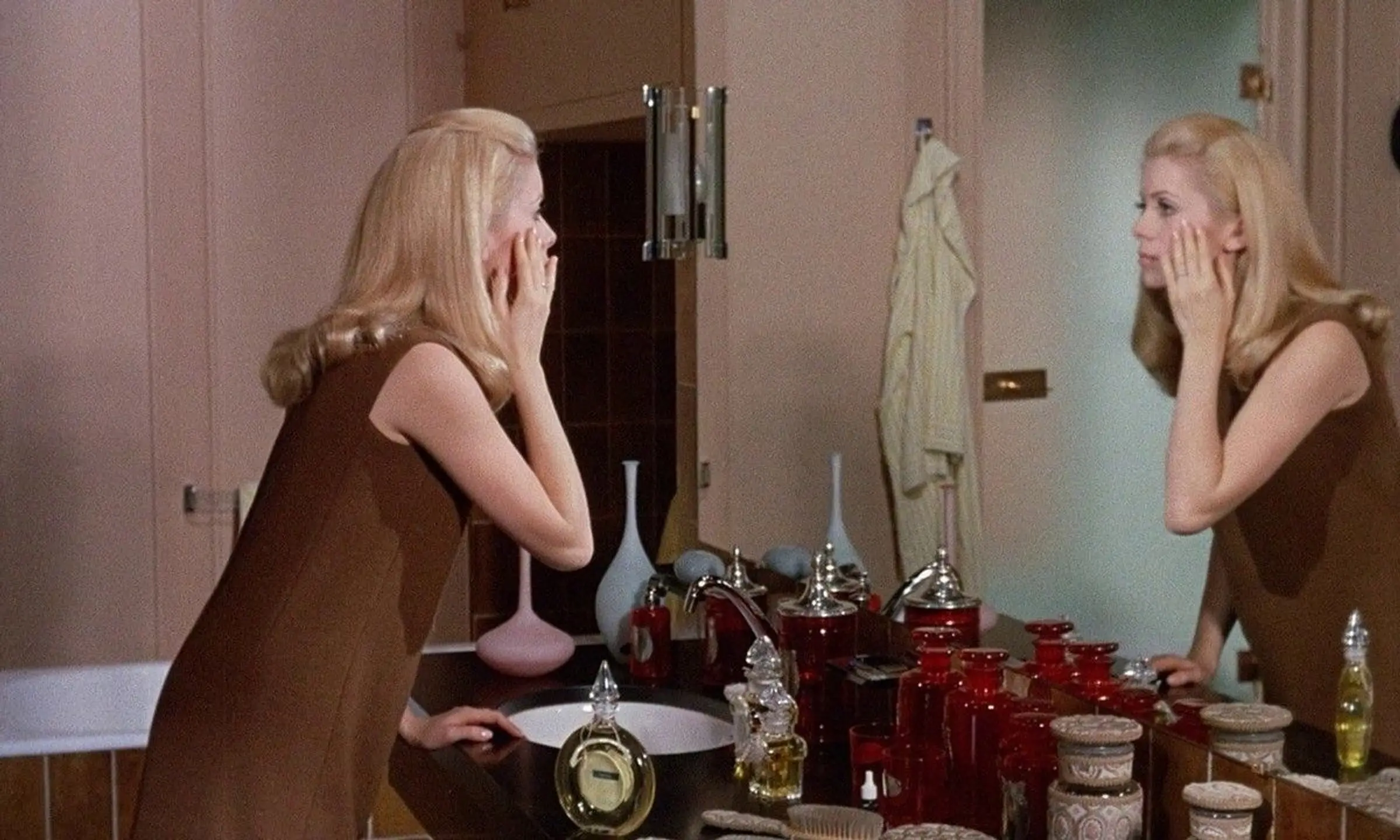
Belle de Jour by Luis Buñuel film still, (1967)
For us, a hidden sweetness captures the beautiful intention of wearing perfume as the day transforms into night. Wearing something close to you, a secret self, whether in the company of a significant other or in bed, worn for you and you alone. LES CAHIERS SECRETS muse Anaïs Nin relied on scent in the evening to return to herself, to act as a doorway of remembering and to bathe in the elemental joy of renewal.
Portable, precise, personal.
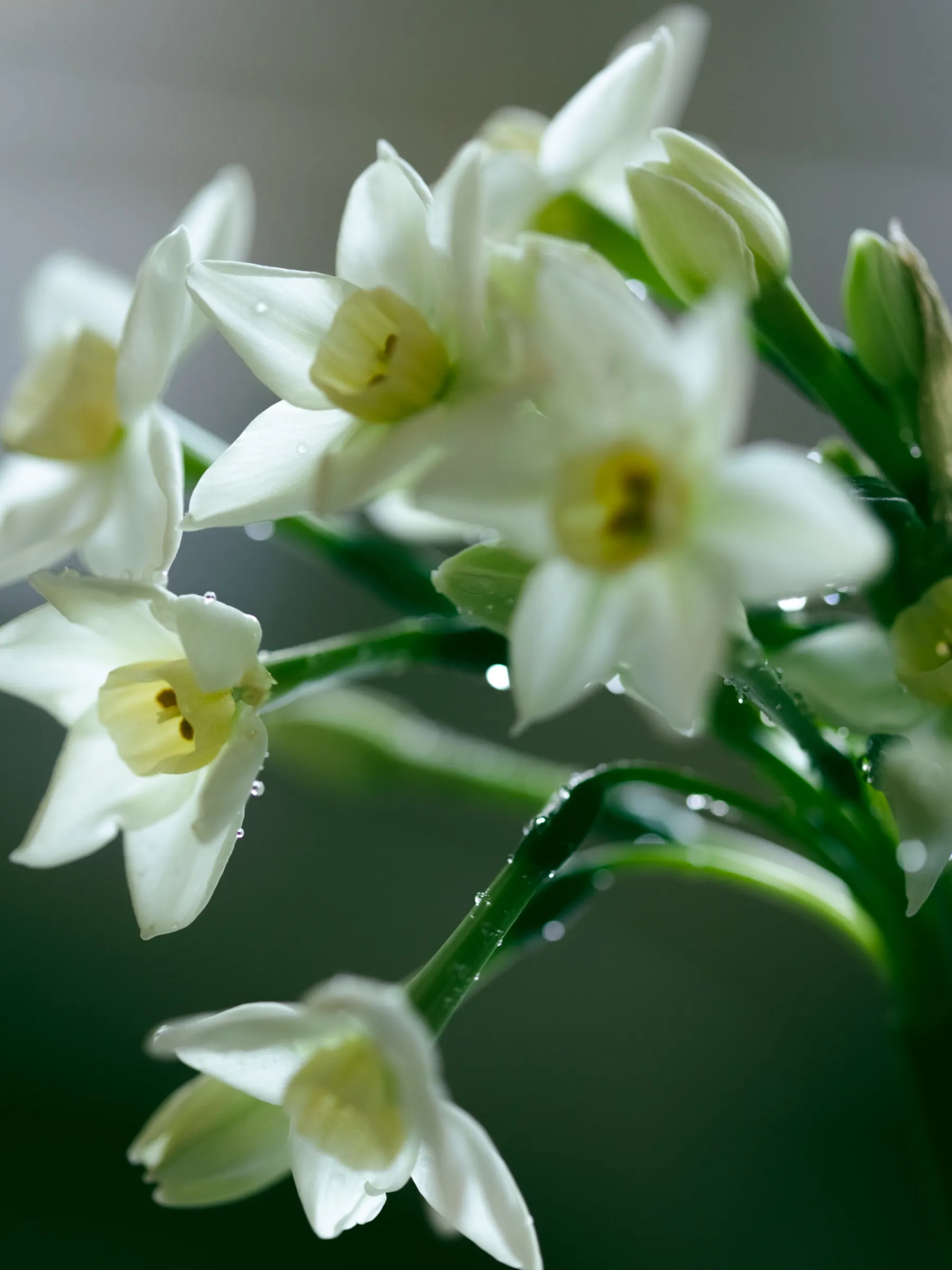
A fleeting encounter under a summer shower.
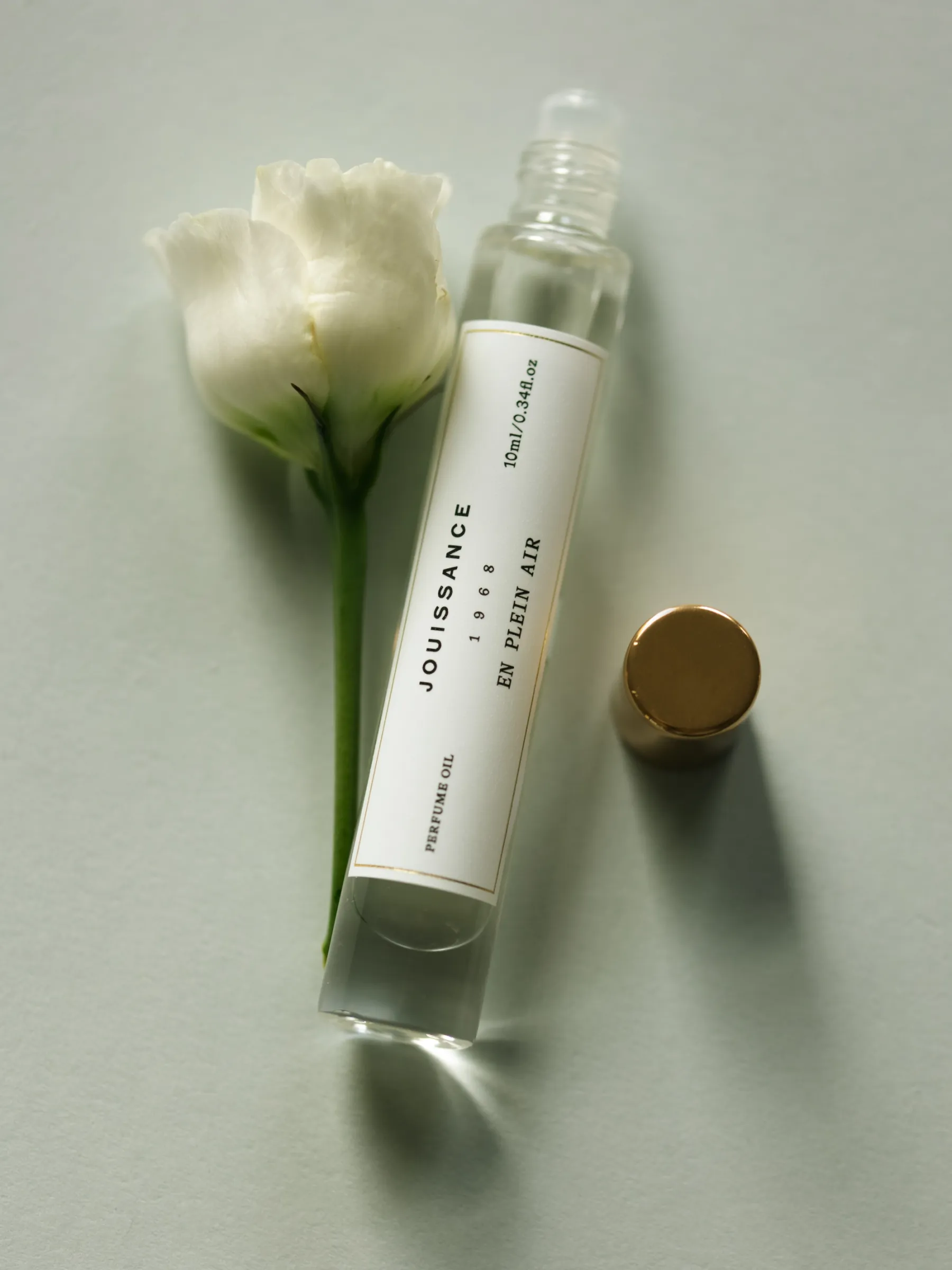
"It was while writing a Diary that I discovered how to capture living moments," Anaïs Nin wrote. "In the Diary I only wrote of what interested me genuinely, what I felt most strongly at the moment, and I found this fervour, this enthusiasm produced a vividness which often withered in the formal work. Improvisation, free association, obedience to mood, impulse, brought forth countless images, portraits, descriptions, impressionistic sketches, symphonic experiments, from which I could dip at any time for material."
In tribute to Anaïs Nin, one of our foremost inspirations for Jouissance, our DIARY captures our most treasured moments, our obsessions and preoccupations, our research and the lessons we learn, and the work of our cherished friends and collaborators.